
Understanding BAC: How Blood Alcohol Concentration Is MeasuredHow to Understand Blood Alcohol Concentration (BAC) and How It’s Measured
Blood Alcohol Concentration (BAC) is a critical factor in determining whether a person is legally impaired and unfit to drive. Understanding how BAC is measured and what it represents can help you make informed decisions and avoid severe legal consequences, such as a Driving While Intoxicated (DWI) charge. This guide explains the basics of BAC, its measurement methods, and why accuracy matters.
? For every post in this series, scroll down to “Related Posts.”
What Is Blood Alcohol Concentration (BAC)?
BAC refers to the amount of alcohol present in your bloodstream, expressed as a percentage. For example, a BAC of 0.08% means there are 0.08 grams of alcohol per 100 milliliters of blood.
In Texas and most U.S. states, a BAC of 0.08% or higher is the per se legal limit for drivers aged 21 or older. However, other thresholds apply:
- Commercial Drivers: BAC of 0.04% or higher.
- Underage Drivers: Any detectable amount of alcohol, under the zero-tolerance policy.
For more on these thresholds, see What Is DWI? Everything You Need to Know.
Factors That Influence BAC
Several factors determine how quickly alcohol affects your BAC, including:
- Body Weight: Lighter individuals can reach higher BAC levels faster than heavier individuals.
- Gender: Women often have higher BAC levels than men after consuming the same amount of alcohol, due to differences in body composition—men generally have more water in their bodies and alcohol is attracted to water.
- Rate of Consumption: Drinking rapidly raises BAC levels more quickly than pacing drinks over time.
- Food Intake: Consuming alcohol on an empty stomach can lead to faster absorption into the bloodstream.
- Alcohol Tolerance: Regular drinkers may exhibit fewer outward signs of impairment despite having a high BAC, compared to a “naive” or infrequent user.
How Is BAC Measured?
BAC is measured using various methods, each with its advantages and limitations:
1. Breath Tests
Breathalyzers estimate BAC by analyzing the alcohol content in your breath. These devices are commonly used during traffic stops due to their portability and quick results.
- Advantages: Non-invasive and immediate results.
- Limitations: Can be affected by mouth alcohol, medical conditions, or improper calibration. Generally, these results are not admissible as evidence in Texas courts. The Intoxilyer 9000 results however can be admissible at trial.
For more details, see Breathalyzers & Chemical Tests: What You Need to Know.
2. Blood Tests
Blood tests provide the most accurate BAC measurement by directly analyzing the alcohol content in your blood.
- Advantages: High accuracy and reliability.
- Limitations: Requires professional administration and takes longer to process. It is necessary for accurate results that the blood specimen was taken properly, was stored properly, was analyzed properly, and the machine was functioning correctly when the particular blood specimen is analyzed.
3. Urine Tests
Urine tests measure alcohol concentration indirectly by analyzing metabolites in the urine.
- Advantages: Usually only chosen when other methods are unavailable.
- Limitations: Less accurate than breath or blood tests, as it measures past alcohol consumption rather than current impairment.
Why Accurate BAC Measurement Matters
Accurate BAC measurements are crucial for legal and safety reasons:
- DWI Convictions: BAC is primary evidence in most DWI cases. An inaccurate reading can lead to wrongful convictions or unfair penalties.
- Implied Consent Laws: In Texas, refusing a BAC test can result in automatic license suspension under Implied Consent Laws: What They Mean for You.
- Rising BAC Defense: Alcohol levels can continue to rise after your last drink. Accurate timing of a BAC test can make or break a rising BAC defense, as explained in Understanding ‘Rising BAC’ Defenses.
Tips for Managing Your BAC
To avoid unintentional impairment and legal trouble, follow these tips:
- Know Your Limits: Use BAC calculators or smartphone apps to estimate your level of intoxication. These are not perfect and can only give you estimations.
- Pace Your Drinks: Limit yourself to one standard drink per hour.
- Eat Before Drinking: A full stomach slows alcohol absorption.
- Designate a Driver: If you plan to drink, ensure you have a sober driver or use a rideshare service.
How a Criminal Defense Attorney Can Help
If you’ve been charged with DWI based on your BAC, an experienced criminal defense attorney near you can:
- Challenge the accuracy of breath or blood test results.
- Investigate whether testing procedures were properly followed.
- Use BAC timing and other defenses to potentially mitigate charges.
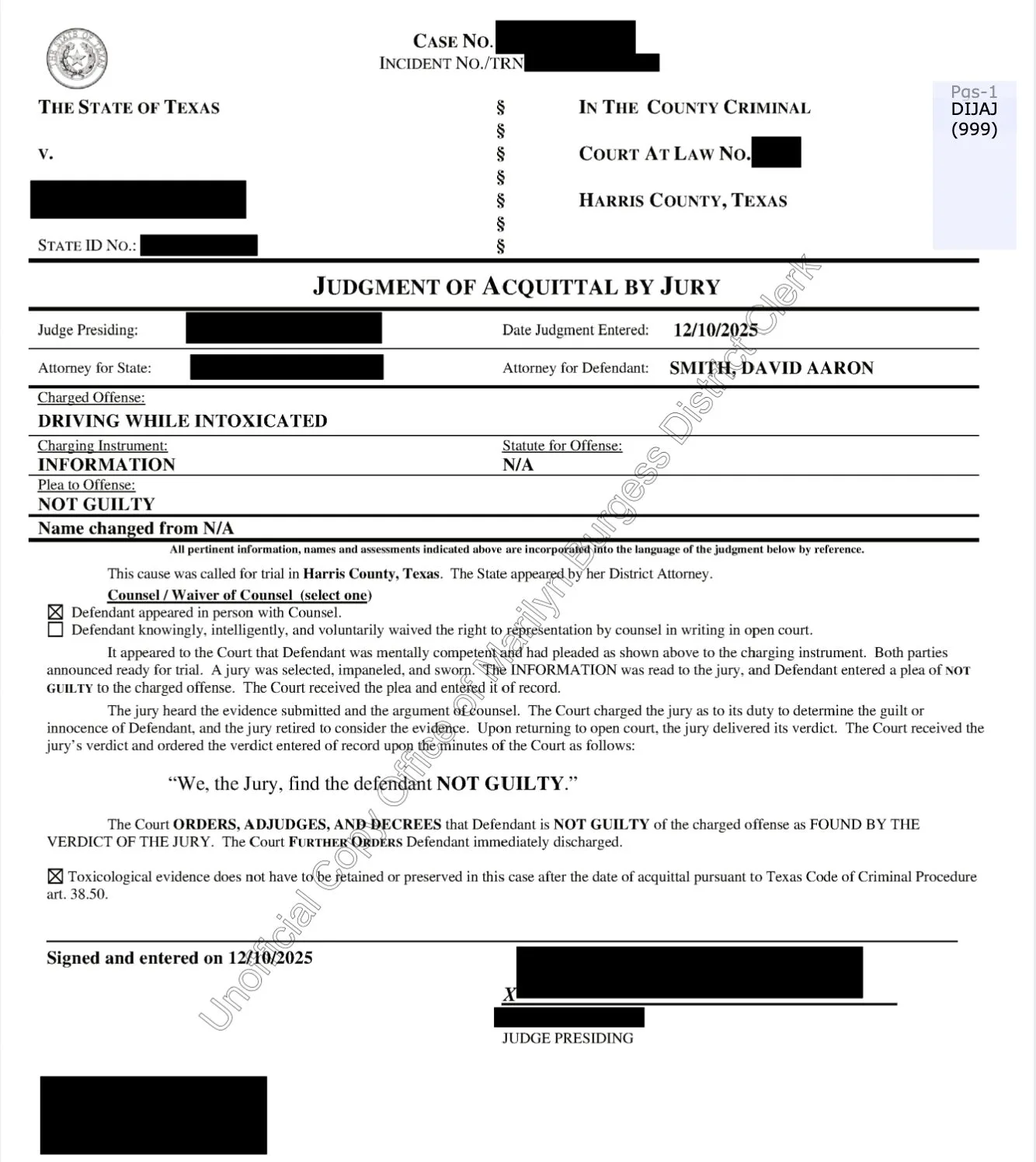
At David Smith Law Firm, PLLC, we’ve successfully represented clients facing complex DWI cases, protecting their rights and minimizing consequences.
Conclusion
Understanding BAC and how it’s measured is essential for making safe and responsible choices. If you’ve been charged with a DWI, don’t navigate the legal system alone.
Discover more from David Smith Law Firm, PLLC
Subscribe to get the latest posts sent to your email.