On the Path to Becoming a Lawyer-Scientist: My Experience at Axion Laboratories Forensic Chromatography Course
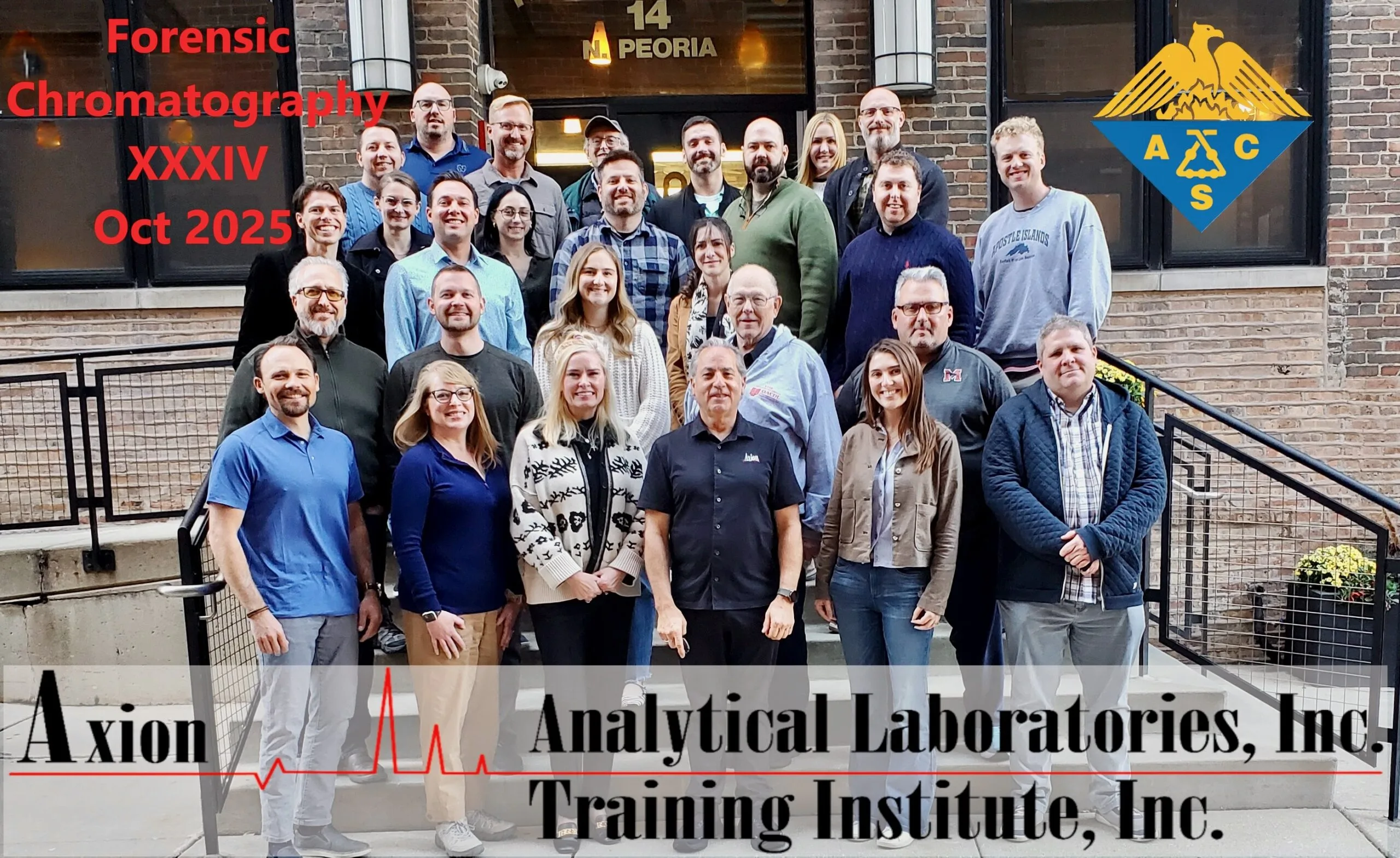
Last week, I had the privilege of attending the Forensic Chromatography course at Axion Analytical Laboratories in Chicago, a nationally recognized training program for attorneys seeking to deepen their understanding of forensic science. This intensive, hands-on experience marks a significant step in my journey toward becoming a Lawyer-Scientist—a designation awarded by the American Chemical Society to attorneys who demonstrate advanced scientific knowledge in the courtroom.
As a criminal defense attorney serving the Greater Houston Area, I believe that science and law must work hand-in-hand—especially in cases involving DWI, drug possession, and forensic toxicology. The stakes are too high to rely solely on the results of a machine. Understanding how those results are produced, and whether they are scientifically valid, is essential to protecting the rights of the accused.
What Is Forensic Chromatography?
Forensic chromatography is the scientific method used to separate and analyze compounds—most commonly in blood alcohol testing, drug identification, and toxicology reports. The technique relies on Gas Chromatography (GC), a powerful tool used in crime labs across the country to detect substances in biological samples.
But here’s the catch: GC results are only as reliable as the process used to obtain them. If the machine is improperly calibrated, the column is contaminated, or the analyst fails to follow proper procedures, the results can be misleading—or outright wrong.
Learning from Dr. Polite: Science Made Practical for the Courtroom
The course was led by Dr. Lee Polite, one of the foremost experts in chromatography. Dr. Polite, in particular, has a gift for translating complex scientific theory into practical knowledge that criminal defense attorneys can use in court. He doesn’t just teach criminal defense attorneys–he has taught DEA agents, prosecutors, petrochemical scientists, and more!
Over the course of the week, we covered:
- The theory and mechanics of Gas Chromatography
- How forensic labs prepare and analyze samples
- Common sources of error in forensic testing
- How to challenge unreliable results in court
Dr. Polite emphasized a critical point: Just because a machine spits out a number doesn’t mean it’s correct. A true scientist—and a responsible attorney—must be able to explain how the result was obtained, and whether it can be duplicated under proper conditions. Other amazing instructors included Lew Fox, Ron Moore, and Deandra Grant
Hands-On Training: Inside the Gas Chromatograph
One of the most valuable aspects of the course was the hands-on lab work. We didn’t just learn theory—we worked directly with the machines used in forensic labs. This included:
- Disassembling and reassembling the Capillary Column, the heart of the GC system
- Running known standards to establish baseline readings
- Analyzing unknown samples to test accuracy and reproducibility
These exercises revealed just how many things can go wrong in a forensic test. A slight variation in temperature, a contaminated solvent, or a misaligned column can skew results dramatically. In a criminal case, that could mean the difference between conviction and acquittal.
Why This Matters for Criminal Defense in Houston
In Harris County and throughout Texas, DWI and drug-related charges often hinge on forensic evidence. Prosecutors rely on lab reports to prove intoxication, possession, or impairment. But if those reports are based on flawed science, they should not be accepted at face value.
As an attorney committed to defending the accused, I believe it’s my duty to understand the science behind the evidence. That’s why I pursued this training—and why I’ll continue to seek out opportunities to expand my expertise.
When you’re facing criminal charges, you need more than just legal knowledge. You need an advocate who can challenge the science, expose weaknesses in the prosecution’s case, and fight for your rights with precision and integrity.
The Lawyer-Scientist Advantage
The Lawyer-Scientist designation is more than a title—it’s a commitment to excellence. It means that your attorney has gone beyond traditional legal training to master the scientific principles that underpin forensic evidence. It’s a rare distinction, and one that can make a powerful difference in the courtroom. This course was the first step on my path pursuing the Lawyer-Scientist designation.
Want to learn more about how forensic science impacts your case? Browse our blog for insights on DWI defense, lab errors, and how to challenge unreliable evidence in court.
Discover more from David Smith Law Firm, PLLC
Subscribe to get the latest posts sent to your email.