
Breathalyzers & Chemical Tests: What You Need to Know
If you’ve ever been stopped on suspicion of Driving While Intoxicated (DWI), you’ve likely heard about breathalyzers and chemical tests. These tools are used by the government in determining Blood Alcohol Concentration (BAC), but they are not infallible. Understanding how they work, their limitations, and your rights can make all the difference in a DWI case.
? For every post in this series, scroll down to “Related Posts.”
What Are Breathalyzers and Chemical Tests?
Breathalyzers
There are generally two categories of breathalyzers—the portable ones used as a tool by law enforcement on the streets, and the non-portable Intoxilyzer 9000 machine, generally in use in Texas. The handheld breathalyzer is a device that estimates your BAC by analyzing the alcohol content in your breath. It’s a used tool during traffic stops due to its convenience and speed, but the results of these roadside breathalyzers generally are not admissible in trial.
Chemical Tests
Chemical tests measure BAC using blood, urine, or saliva. These methods are typically more accurate but require specialized equipment and processing.
Common chemical tests include:
- Blood Tests: Considered the most reliable method for BAC measurement.
- Urine Tests: Less accurate, as they measure past alcohol consumption rather than current impairment.
- Saliva Tests: Rarely used but effective for detecting drugs alongside alcohol and establishing probable cause to arrest. Saliva tools are not generally used in the Houston area.
How Do These Tests Work?
Breathalyzer Tests
Portable Breathalyzers work by measuring the alcohol content in your breath and converting it into an estimated BAC. The device uses a chemical reaction or infrared spectroscopy to detect alcohol molecules.
- Step 1: You blow into the device for several seconds.
- Step 2: The device analyzes the breath sample.
- Step 3: The estimated BAC is displayed.
The Intoxilyzer 9000 works similarly to the the portable device, except it is subject to more quality control measures. It is not infallible, as these machines can break down, parts need servicing, and reference samples need to be calibrated and verified.
Blood Tests
Blood tests involve drawing a sample from your vein and analyzing it in a lab. They measure the exact concentration of alcohol in your blood.
- Step 1: a physician, a qualified technician, a registered professional nurse, a licensed vocational nurse, and a licensed or certified emergency medical technician-intermediate or emergency medical technician-paramedic collects a blood sample.
- Step 2: The sample is sent to a lab for analysis.
- Step 3: The results are reported back to law enforcement.
For a deeper dive into BAC testing, visit Blood Alcohol Concentration (BAC): How It’s Measured.
Limitations and Challenges
Breathalyzer Inaccuracy
Breathalyzers, while convenient, are not foolproof. Factors that can affect accuracy include:
- Improper Calibration: Devices require regular maintenance to ensure accuracy.
- Mouth Alcohol: Residual alcohol from mouthwash or recent drinking can skew results. Even recently putting on hand sanitizer can artificially increase one’s results.
- Medical Conditions: Conditions like acid reflux or diabetes can produce false positives.
Blood Test Delays
Blood tests can be highly accurate but can be affected by:
- Rising BAC: Alcohol levels generally increase after your last drink, leading to inflated results.
- Improper Handling: Errors in sample storage or testing procedures can compromise results.
For more on this topic, explore Understanding ‘Rising BAC’ Defenses.
Your Rights During Testing
In Texas, Implied Consent Laws require drivers to submit to BAC testing if lawfully arrested. Refusing a test can lead to:
- Automatic license suspension (180 days for first refusal).
- Use of your refusal as evidence in court.
However, you also have rights:
- Challenge Test Accuracy: An experienced attorney can question the validity of the results.
- Request Independent Testing: You may be entitled to request an independent test to verify results. While it is possible for Texas to capture one’s breath sample for later gas chromatography testing using a device called Toxtrap, which costs just dollars, Texas doesn’t use them.
For more on your rights, see Implied Consent Laws: What They Mean for You.
How a Criminal Defense Attorney Can Help
If you’ve been subjected to breathalyzer or chemical testing, a skilled criminal defense attorney near you can:
- Review the testing procedures for compliance with regulations.
- Identify inaccuracies or errors in the results.
- Build a defense strategy tailored to your case.
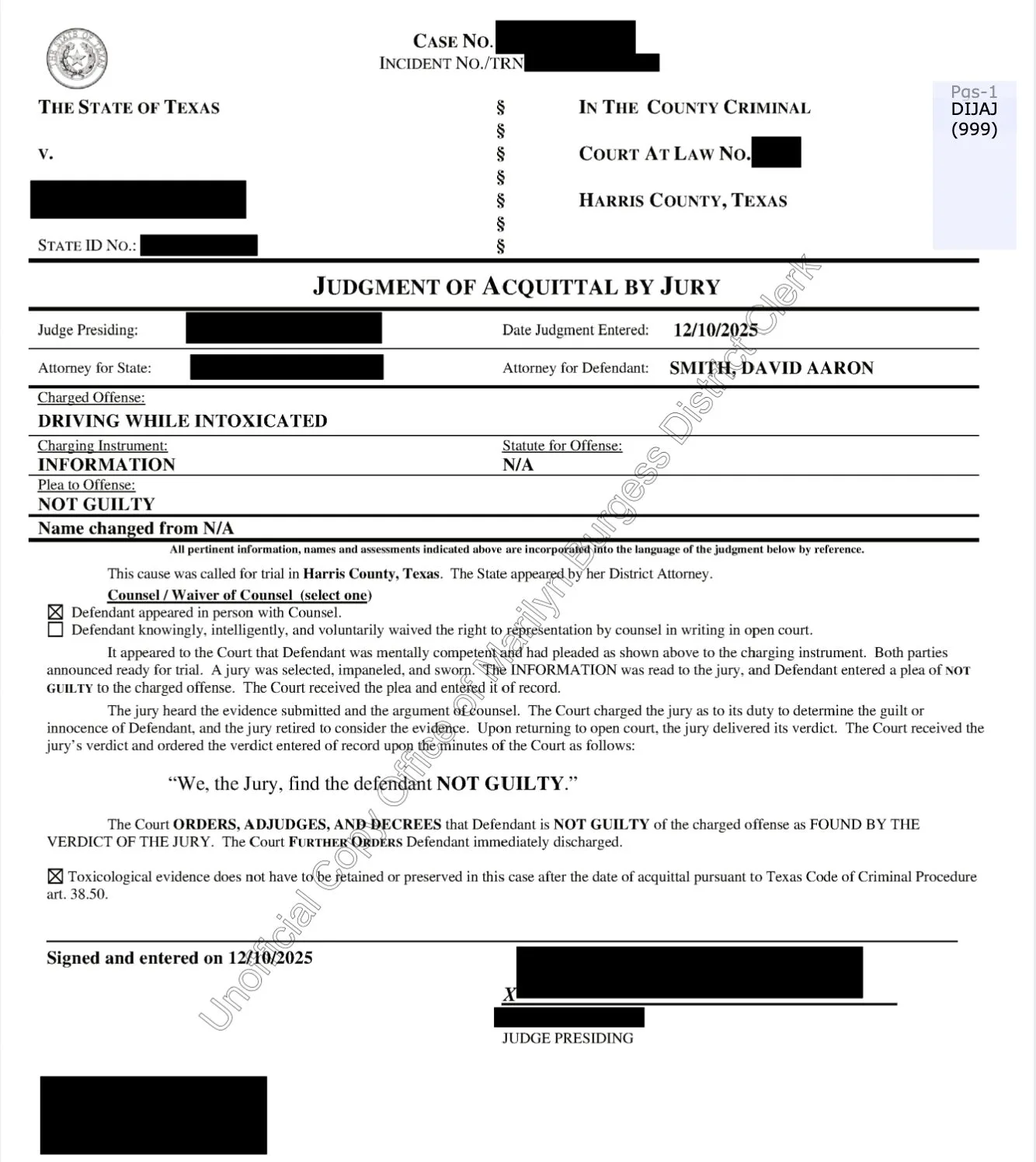
At David Smith Law Firm, PLLC, we’ve helped many clients challenge unreliable BAC results and protect their rights.
Handheld Roadside Breathalyzers vs. Texas Intoxilyzer 9000Conclusion
Breathalyzers and chemical tests are tools available to the government in DWI enforcement, but they are not without flaws. Understanding their workings, limitations, and your rights is crucial for protecting yourself against wrongful charges.
If you’ve been charged with DWI, don’t face it alone. Contact David Smith Law Firm, PLLCtoday for criminal law expert legal representation.
Discover more from David Smith Law Firm, PLLC
Subscribe to get the latest posts sent to your email.