Can Police Search Your Phone in a Drug Case?
Digital Privacy Rights and Exceptions in Texas Drug Investigations
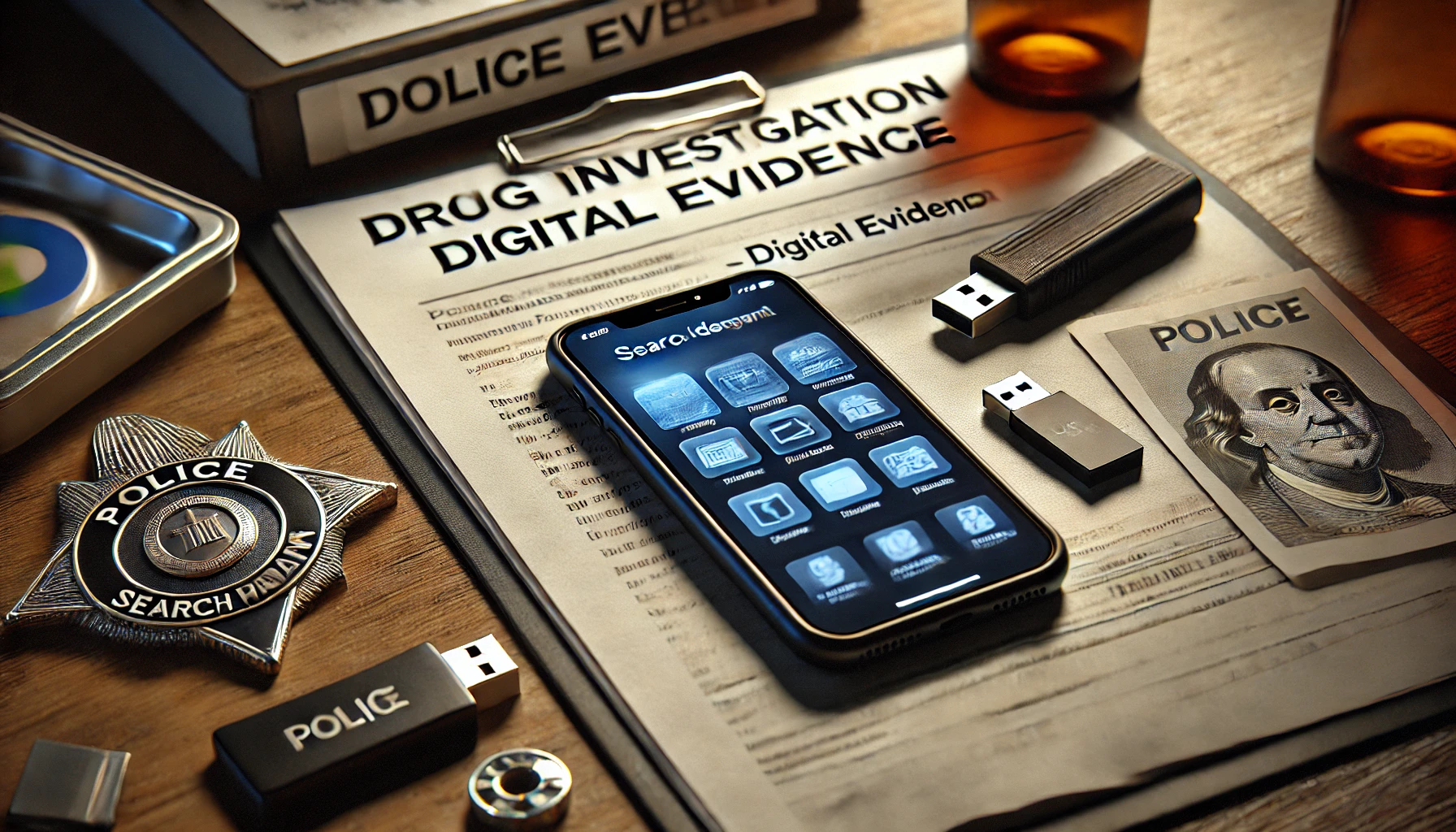
In today’s world, your phone holds more personal data than your home. Texts, photos, location history, app usage, payment records—all of it can potentially become evidence in a criminal case. That’s why when you’re being investigated or charged with a drug offense in Texas, one of the most critical questions is: can the police search your phone?
The short answer is: not without a warrant—most of the time. But as with many things in criminal law, there are exceptions. In this post, we’ll break down your digital privacy rights under Texas and federal law, when your phone can be searched, and how a defense attorney can protect you from unlawful intrusion.
For every post in this series, scroll down to “Related Posts.”
1. The General Rule: Police Need a Warrant to Search Your Phone
The U.S. Supreme Court settled this in the landmark case Riley v. California (2014). The Court ruled that:
“The police generally may not, without a warrant, search digital information on a cell phone seized from an individual who has been arrested.”
That means even if you’re arrested during a drug investigation, officers can’t just start flipping through your phone. They need:
- A search warrant, issued by a judge
- Based on probable cause
- Describing what they’re looking for (e.g., text messages, photos, app data)
In Texas, this rule applies across the board. If law enforcement searches your phone without a warrant—or without a valid exception—your attorney can file a motion to suppress, and any evidence obtained might be thrown out.
2. Common Exceptions to the Warrant Requirement
That said, there are situations where police can access your phone without a warrant. Here are the most common ones:
A. Consent
If you give the officer permission to search your phone, they don’t need a warrant. Many people do this under pressure or to appear cooperative—don’t make that mistake.
You have the right to say:
“I do not consent to any searches.”
And you should say it—firmly and respectfully.
B. Exigent Circumstances
If police believe there’s an imminent risk that evidence will be destroyed (e.g., remote wiping) or there’s a threat to public safety, they might conduct a search without a warrant. These scenarios are rare and often challenged in court.
C. Plain View Doctrine
If your phone is unlocked and a screen shows incriminating evidence (e.g., a text message about a drug deal) in plain view during a lawful stop or arrest, that image or message could potentially be used—even without a warrant.
D. Searches by Consent of Another User
If someone else has access to your phone (a partner, roommate, friend), and they consent to a search, it might be considered lawful. But this is legally murky—and highly dependent on who has actual authority over the phone and data.
3. What Kind of Digital Evidence Can Be Used in a Drug Case?
Even if your phone isn’t searched directly, law enforcement may still gather digital evidence linked to you. As we explain in Can You Be Charged Without Physical Drugs?, prosecutors increasingly rely on:
- Text messages about drug transactions
- Photos or videos showing drugs or paraphernalia
- Cash app and payment records
- GPS location data
- Social media messages or posts
- Call logs and contact lists
- Encrypted messaging app contents (if accessible)
These digital breadcrumbs can be used to build a case, especially in conspiracy, distribution, or possession with intent to deliver charges.
4. How Police Get Access to Your Phone’s Data
When a warrant is issued, here’s how law enforcement can retrieve your phone data:
A. Manual Search
If the phone is unlocked or law enforcement has the passcode, they may search the phone manually for texts, photos, and app activity.
B. Forensic Extraction Tools
Police departments often use specialized software (like Cellebrite or GrayKey) to bypass passcodes, extract deleted files, and generate full forensic reports of your phone’s data—even from encrypted apps.
These tools can retrieve:
- Deleted messages
- App data (WhatsApp, Signal, Telegram)
- Browsing history
- Documented GPS movement
This is why it’s critical to challenge the validity and scope of any search warrant used to justify such intrusions.
5. How a Defense Attorney Challenges Phone Evidence
Digital evidence can feel overwhelming, but it’s also one of the most challengeable parts of a case. Your defense attorney can:
- Challenge the legality of the warrant
- Was there enough probable cause?
- Was the warrant too broad?
- Was the data obtained within the limits of the warrant?
- File a Motion to Suppress
- If the search was illegal, your lawyer can argue that all phone evidence should be excluded from the case.
- Dispute the interpretation of the data
- Just because a text says “I got you” doesn’t prove drugs were involved.
- Just because someone sent you a photo doesn’t mean you possessed or trafficked drugs.
In many cases, phone evidence is ambiguous or circumstantial—and can be torn apart by a strong legal defense.
6. What You Should Do If Police Ask to Search Your Phone
If you’re pulled over, stopped, or arrested and police ask to look through your phone, here’s exactly what to do:
DO NOT:
- Give them your passcode
- Say “yes” to a search
- Try to delete or hide anything (that could lead to tampering charges)
DO SAY:
“I do not consent to any searches. I want to speak to my lawyer.”
Then say nothing else.
7. Why You Need a Lawyer Experienced in Digital Evidence
Phone searches are one of the most common—and most legally complex—issues in Texas drug investigations. From pre-arrest surveillance to post-arrest forensic searches, your phone may become the most important piece of the state’s case.
Conclusion: Your Phone Isn’t Safe—Until You Make It That Way
Your smartphone holds your entire life—and that makes it a prime target in any drug investigation. But the police can’t just help themselves to your digital world. You have rights. And you need someone who knows how to enforce them.
If you’ve been asked to unlock your phone, if it’s been seized, or if you’re under investigation, don’t wait. The sooner you act, the more control you have.
Discover more from David Smith Law Firm, PLLC
Subscribe to get the latest posts sent to your email.