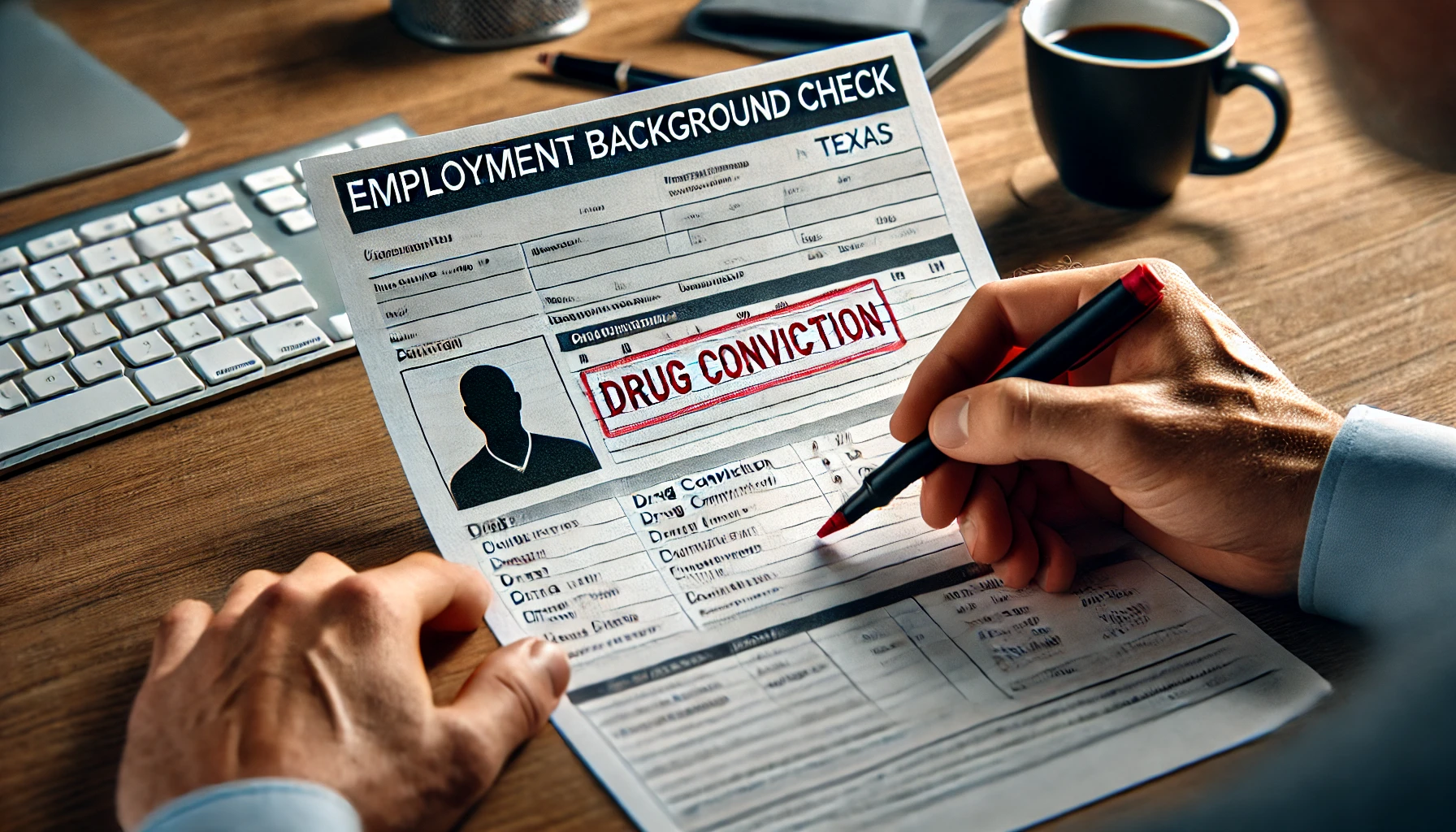

Can You Avoid Jail for a Drug Offense?
Deferred Adjudication, Probation, and Pre-Trial Diversion in Texas
Getting arrested for a drug charge in Texas is scary. You might be wondering, “Am I going to jail? Is this going to stay on my record forever?” But here’s the good news: not everyone convicted of a drug offense in Texas ends up behind bars for punishment. In fact, depending on your record, the facts of your case, and your legal strategy, you may be able to avoid jail completely.
Texas offers several alternatives to incarceration, including pre-trial diversion, deferred adjudication, and probation. These options can help you keep your freedom—and in some cases, keep your record clean.
In this post, we’ll break down how these alternatives work, who qualifies, and why hiring an experienced attorney near you can make all the difference.
? For every post in this series, scroll down to “Related Posts.”
When Is Jail Time Mandatory for Drug Offenses?
Not all drug crimes are treated equally. Whether you’re eligible to avoid jail depends on:
- The type and amount of drug involved
- Your criminal history
- Whether there was intent to distribute
- Enhancements like drug-free zones or repeat offenses
If you’re charged with a felony involving large quantities, or have prior convictions, jail or prison is much more likely. But for first-time offenses, low-level possession, or misdemeanors, there are multiple ways to stay out of jail.
To understand how charges are classified, read What Makes a Drug Crime a Felony in Texas?
1. Pre-Trial Diversion (PTD) or Pre-Trial Intervention (PTI)
Pre-trial diversion is a program that allows eligible first-time offenders to complete certain conditions in exchange for having their case dismissed. It’s the closest thing to a “get-out-of-jail-free” card—if you follow through.
How It Works:
- Offered before trial (and often before a plea is entered)
- You agree to complete rehab, drug testing, classes, or community service
- If successful, the charges are dismissed
- You may later qualify to expunge your record
Who Generally Qualifies:
- First-time offenders
- No violent or weapons-related conduct
- Small quantity drug possession or paraphernalia charges
- Cooperative and motivated to complete the program
This is a non-conviction outcome, meaning you don’t plead guilty, and if you complete the terms, your record remains clean.
Not every county offers PTD, and eligibility is limited, so your attorney must negotiate entry.
2. Deferred Adjudication
Deferred adjudication is a plea deal where you plead “guilty” or “no contest,” but instead of entering a conviction, the judge postpones the finding and places you on probation.
If You Successfully Complete Probation:
- You avoid a conviction
- You may be eligible for record sealing (nondisclosure)
- You won’t go to jail (unless you violate the terms)
If You Violate the Terms:
- The judge can enter a guilty finding
- You’ll be sentenced under the original charge, which may include jail or prison time
Common Terms of Deferred Adjudication:
- Random drug testing
- Substance abuse counseling
- No new arrests
- Employment or school attendance
- Regular meetings with a probation officer
Who Generally Qualifies:
- Most first-time felony and misdemeanor drug defendants
- People with low to moderate amounts of controlled substances
- Individuals not charged with distribution or manufacturing
- Offenses not enhanced (e.g., drug-free zone)
Deferred adjudication is one of the most common and effective ways to avoid jail time in Texas drug cases—but only if you complete the probation period successfully.
3. Straight Probation (Regular Community Supervision)
Probation, or community supervision, is a sentence in lieu of jail where you are found guilty but allowed to serve your sentence in the community under supervision.
This is different from deferred adjudication because:
- You have a conviction on your record
- You are sentenced, but that sentence is “suspended”
- If you violate probation, the court can reinstate jail or prison time
Terms of Probation Can Include:
- Drug counseling or inpatient treatment
- Random drug testing
- Community service hours
- Curfew restrictions
- Fines and restitution
- No alcohol or drug use
Felony Probation:
- Can last up to 10 years
- Violations may result in prison time
Misdemeanor Probation:
- Can last up to 2 years
- May include fewer restrictions
Probation still means you’ve been convicted, which carries consequences for employment, housing, and civil rights. But it’s still better than jail—and in some cases, you can later petition for early release or record sealing (if eligible).
To understand when probation is likely, see Jail Time and Fines for Drug Crimes in Texas.
How Do I Know If I’m Eligible for Jail Alternatives?
Your eligibility depends on several factors:
- The drug type and amount (Penalty Group 1 and large quantities are tougher)
- Your criminal history (first-time offenders fare better)
- The offense level (felony vs. misdemeanor)
- Whether you’re in a drug-free zone
- Whether you’re accused of intent to distribute
- The county your case is in (policies vary)
To explore which drug types are most eligible, visit How Texas Classifies Drugs by Penalty Group and Drug Schedules in Texas Explained.
What If I’ve Been Arrested Before?
If you’ve previously been arrested or convicted of a drug offense, that doesn’t necessarily disqualify you from all jail alternatives—but it will limit your options.
In these cases, your attorney may still be able to:
- Request probation instead of incarceration
- Argue for mitigating circumstances
- Push for treatment-based alternatives (especially for addiction-related charges)
- Go to trial
In some cases, prosecutors may still offer deferred adjudication, especially if you’re not a habitual offender. If you are, enhancements may apply—see Enhancements for Repeat Offenders in Drug Cases.
What If I’m Facing Federal Drug Charges?
Unfortunately, federal drug cases don’t offer the same flexibility. There is no probation in the traditional sense, and parole has been eliminated in the federal system. If you’re facing federal drug charges:
- You may be subject to mandatory minimums
- Sentencing follows the Federal Sentencing Guidelines
- Diversion and deferred adjudication are rare
If you’re not sure whether your case might be federal, read Federal vs. Texas Drug Laws: Key Differences.
What Happens If I Violate Probation or Deferred Adjudication?
Violating the terms of your supervision can result in:
- Revocation of probation
- Arrest and detention
- Resentencing on the original charge (especially for deferred adjudication)
- Felony enhancement if a new drug charge is filed during probation
This is why you must stay compliant—and why having a defense attorney to monitor your progress and assist with compliance is critical.
Can I Seal or Expunge My Record?
Maybe–it depends on the outcome.
You may be eligible to:
- Expunge your record if you complete pretrial diversion and the case is dismissed or you are found not guilty at trial
- Seal your record (nondisclosure) after completing deferred adjudication on eligible charges
- Petition for nondisclosure even after a successful felony probation in some situations
Avoiding jail is important—but protecting your future matters too.
Call to Action
Just because you’ve been arrested doesn’t mean you’re destined for jail. Texas law provides several pathways for avoiding incarceration—but only if you act fast and have the right legal guidance.
Discover more from David Smith Law Firm, PLLC
Subscribe to get the latest posts sent to your email.