Can You Be Charged Without Physical Drugs?
Digital Evidence, Paraphernalia, and Witness Testimony in Texas Drug Cases
When most people think of drug charges, they assume the police need to find actual drugs to arrest or convict someone. But in Texas, you can absolutely be charged with a drug offense even if no physical drugs are found. Law enforcement can—and often does—build cases on circumstantial and indirect evidence.
This post breaks down how you can be charged with a drug crime without a single gram of narcotics being recovered, and what you should do if you’re facing allegations built on less-than-solid evidence.
For every post in this series, scroll down to “Related Posts.”
1. Yes, You Can Be Charged Without Drugs in Your Possession
Texas prosecutors don’t always need a baggie of meth, a joint, or pills in hand to pursue charges. Under Texas law, someone can be charged with drug possession, manufacturing, or distribution based on constructive possession or other forms of supporting evidence.
Constructive possession means you didn’t have the drugs on you—but law enforcement believes you had access to and control over them. For example:
- Drugs found in your vehicle’s glove box or trunk
- Substances discovered in a shared home or apartment
- Someone else is caught with drugs but names you as the supplier
Even if no drugs are seized during your arrest, if the state has reason to believe you handled, trafficked, sold, or conspired to distribute drugs, you can be charged.
2. What Kinds of Evidence Can Be Used Instead of Drugs?
Let’s take a closer look at the three most common types of evidence used when no drugs are recovered: digital data, paraphernalia, and witness statements.
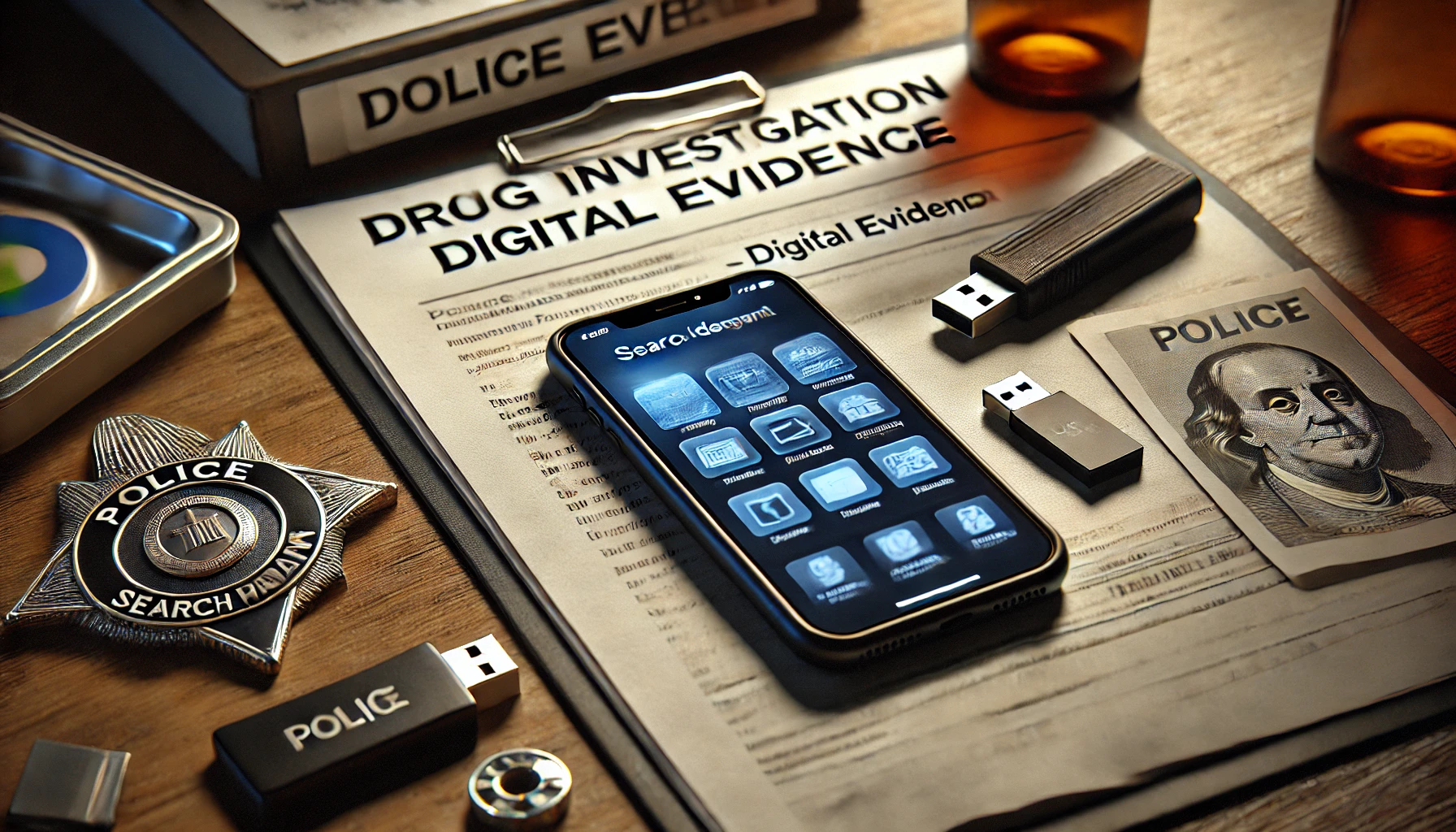
A. Digital Evidence
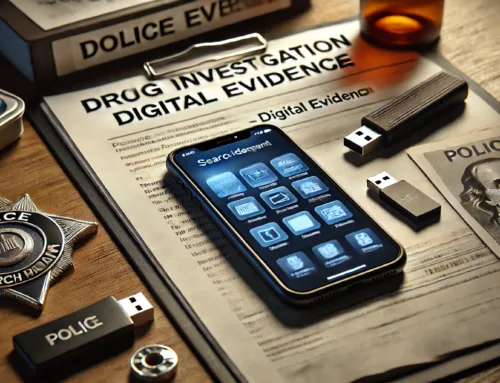
With phones, apps, and social media woven into everyday life, prosecutors often rely on digital evidence to build drug cases.
They may use:
- Text messages and call logs referencing drug deals or use
- Cash apps, Venmo, or Zelle transactions for suspicious payments
- Photos or videos showing drugs or drug-related activities
- GPS location data linking you to known drug houses or transactions
Law enforcement may obtain a warrant to search your phone or cloud storage—or they may get access via a cooperating witness. Once digital evidence is in their hands, it can become the centerpiece of the prosecution’s case, even if no drugs are recovered.
B. Drug Paraphernalia
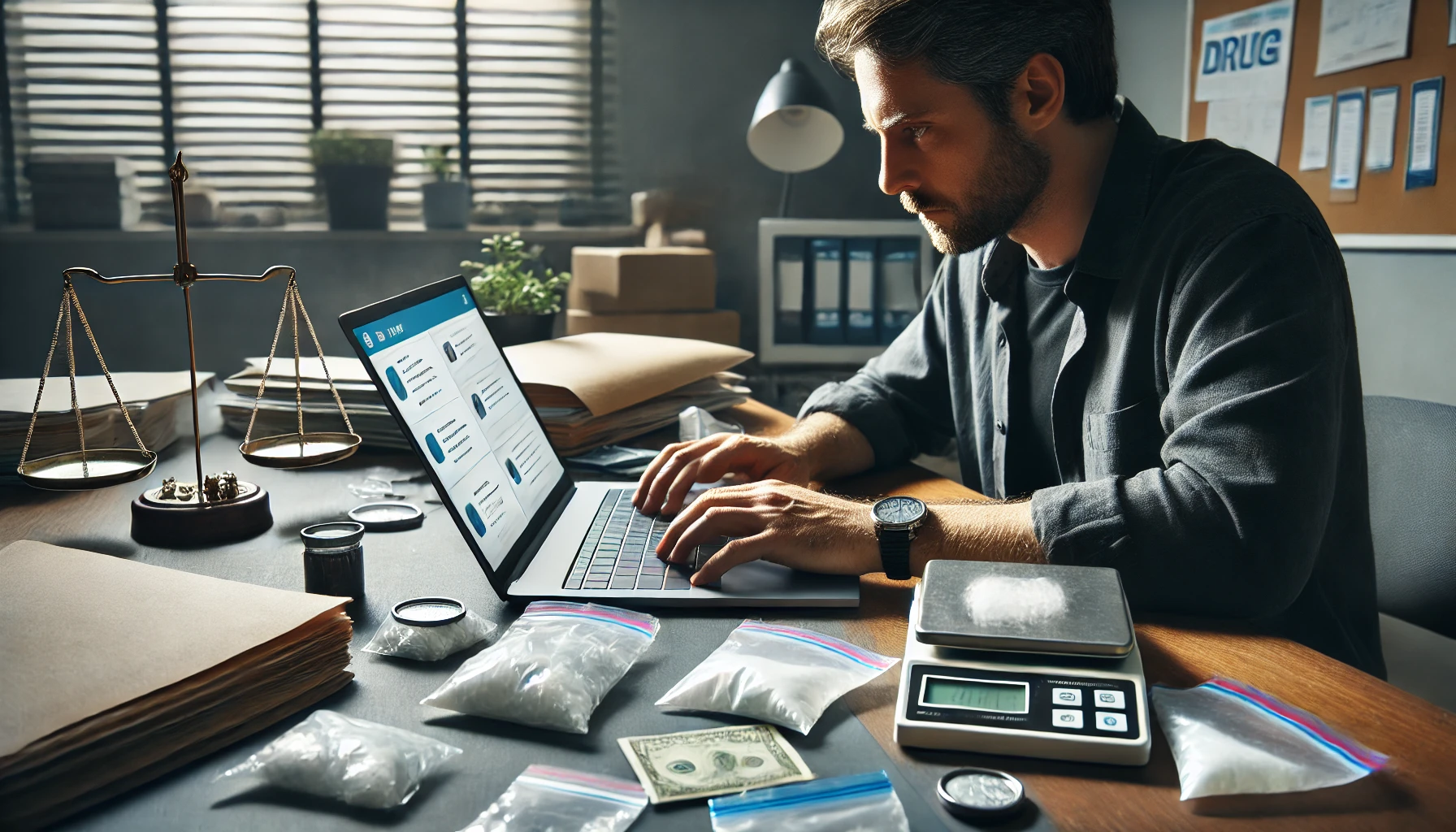
Items commonly associated with drug use or distribution can be used to support charges. Examples include:
- Scales
- Baggies or vacuum-sealed packaging
- Syringes or pipes
- Rolling papers or grinders
- Pill presses or cutting agents
- Ledgers or “owe sheets”
Even without drugs, possession of paraphernalia can be charged as a separate Class C misdemeanor offense. But if police believe those items were used in connection with drug crimes, they may combine the paraphernalia with other circumstantial evidence to support a possession or distribution charge.
C. Witness Testimony
The state can charge you based solely on someone else’s statements—especially in undercover or multi-defendant cases. This includes:
- Co-defendants testifying in exchange for reduced charges
- Confidential informants working with police to set up or document transactions
- Eyewitnesses claiming they saw you using, possessing, or selling drugs
As explored in How Informants Influence Drug Arrests, confidential informants are often the linchpin in cases where no physical evidence is found. But their credibility can be shaky, especially when they’re working off their own charges.
Witness statements alone can be enough to support charges—but they’re also one of the easiest types of evidence to challenge with a strong defense strategy.
3. The Role of Surveillance and Investigative Reports
In addition to the types of evidence above, police reports and video surveillance are often used to establish suspicion or tie you to alleged drug activity.
This includes:
- Undercover operations (see How Police Gather Evidence in Drug Cases)
- Surveillance footage from businesses or street cams
- Audio/video from informants or wiretaps
- Police bodycam or dashcam recordings of interactions or raids
While none of these may show physical drugs, prosecutors may argue that the “totality of the circumstances” proves criminal intent.
4. What Defenses Are Available If No Drugs Are Found?
A case without physical drugs is usually weaker than one with them—and you may have multiple angles of attack.
A. Challenge the Evidence
Your attorney can challenge:
- The legality of a search (see Drug Raids and Search Warrants in Texas)
- Whether digital data was obtained with proper warrants
- The accuracy and chain of custody of digital or paraphernalia evidence
- The credibility of the informant or witnesses
B. Argue Lack of Possession or Control
If drugs weren’t found on you or in your home or car, prosecutors must prove you had knowledge and control over them. Without direct evidence, this is often speculative.
C. Discredit the Informant or Witness
Was the informant paid? Are they facing their own charges? Have they changed their story? All of these factors can be used to question credibility—especially if they’re the only source of evidence.
5. Why You Need a Lawyer—Even if No Drugs Were Found
People often assume that if there are no drugs, there’s no case. But that couldn’t be further from the truth.
In many Texas cases, defendants are arrested, indicted, and even convicted without any physical substances ever being tested or presented in court.
You need a defense attorney who:
- Knows how to challenge digital and circumstantial evidence
- Can suppress evidence obtained illegally
- Has the experience to expose weaknesses in the government’s case
- Is ready to take the case to trial if necessary
Board-certified criminal defense attorney David Smith has the training and courtroom experience to take on complex drug cases—even those built entirely on circumstantial evidence.
Conclusion: No Drugs Doesn’t Mean No Charges
If you’re being investigated or charged with a drug crime in Texas—even if no drugs were found—you still face serious legal jeopardy. Prosecutors can and do rely on digital evidence, paraphernalia, and witness statements to try to prove their case.
Discover more from David Smith Law Firm, PLLC
Subscribe to get the latest posts sent to your email.