Chain of Custody and Evidence Tampering
How Defense Attorneys Challenge the Integrity of Evidence in Texas Drug Cases
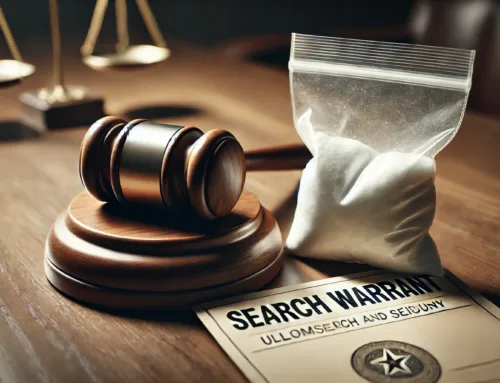
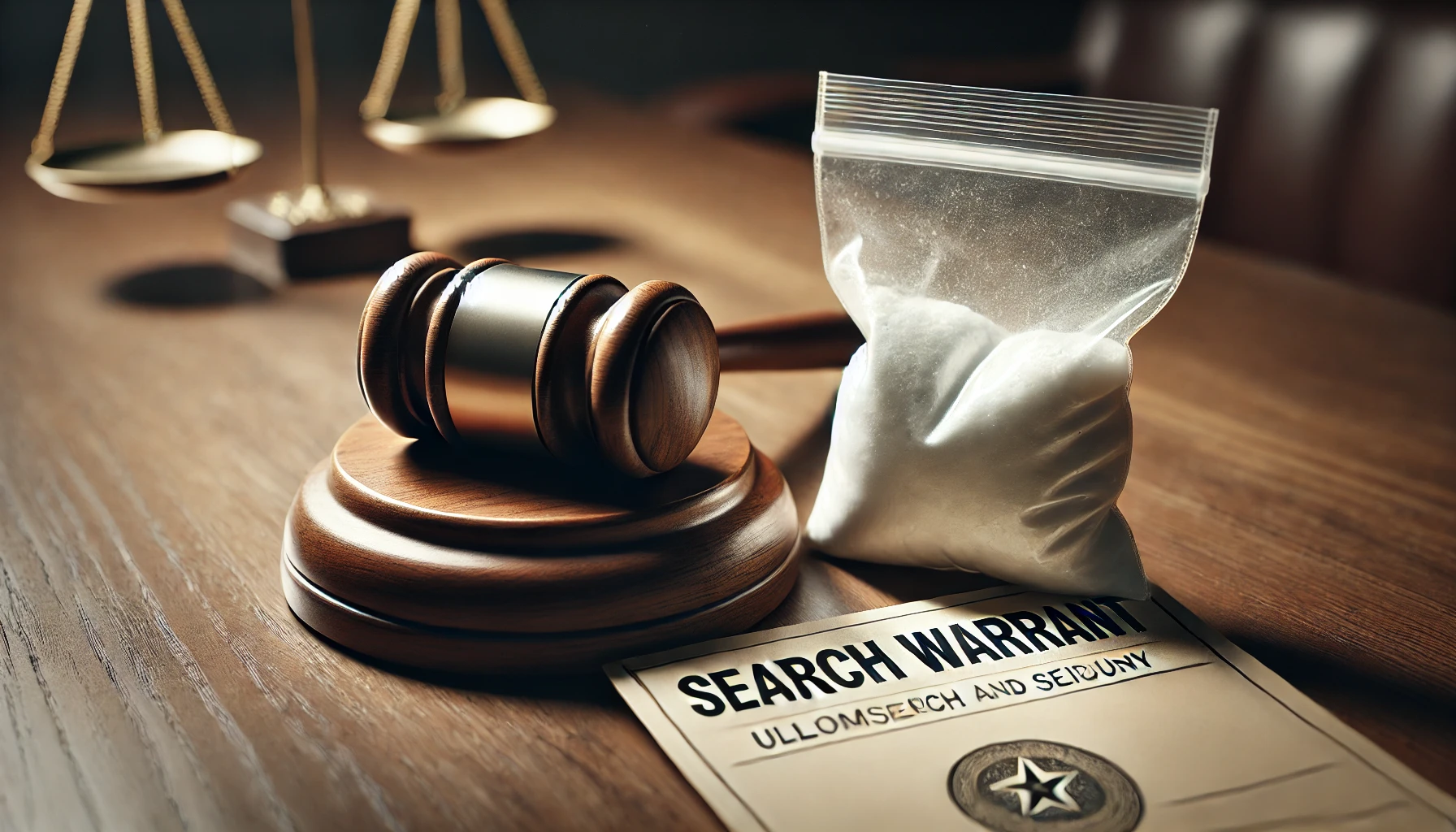
In any Texas drug case, the strength of the prosecution’s evidence is everything. But evidence isn’t automatically trustworthy just because it’s bagged and tagged. In fact, one of the most powerful tools in a defense attorney’s arsenal is challenging the chain of custody—the documented trail showing who handled the evidence, when, where, and how.
If there are gaps, inconsistencies, or signs of tampering, that evidence can be thrown out—or the entire case may collapse.
In this post, we’ll break down what chain of custody means in a drug case, how it gets challenged in court, and how issues like evidence tampering or mishandling can lead to suppressed evidence or outright dismissals.
For every post in this series, scroll down to “Related Posts.”
1. What Is Chain of Custody?
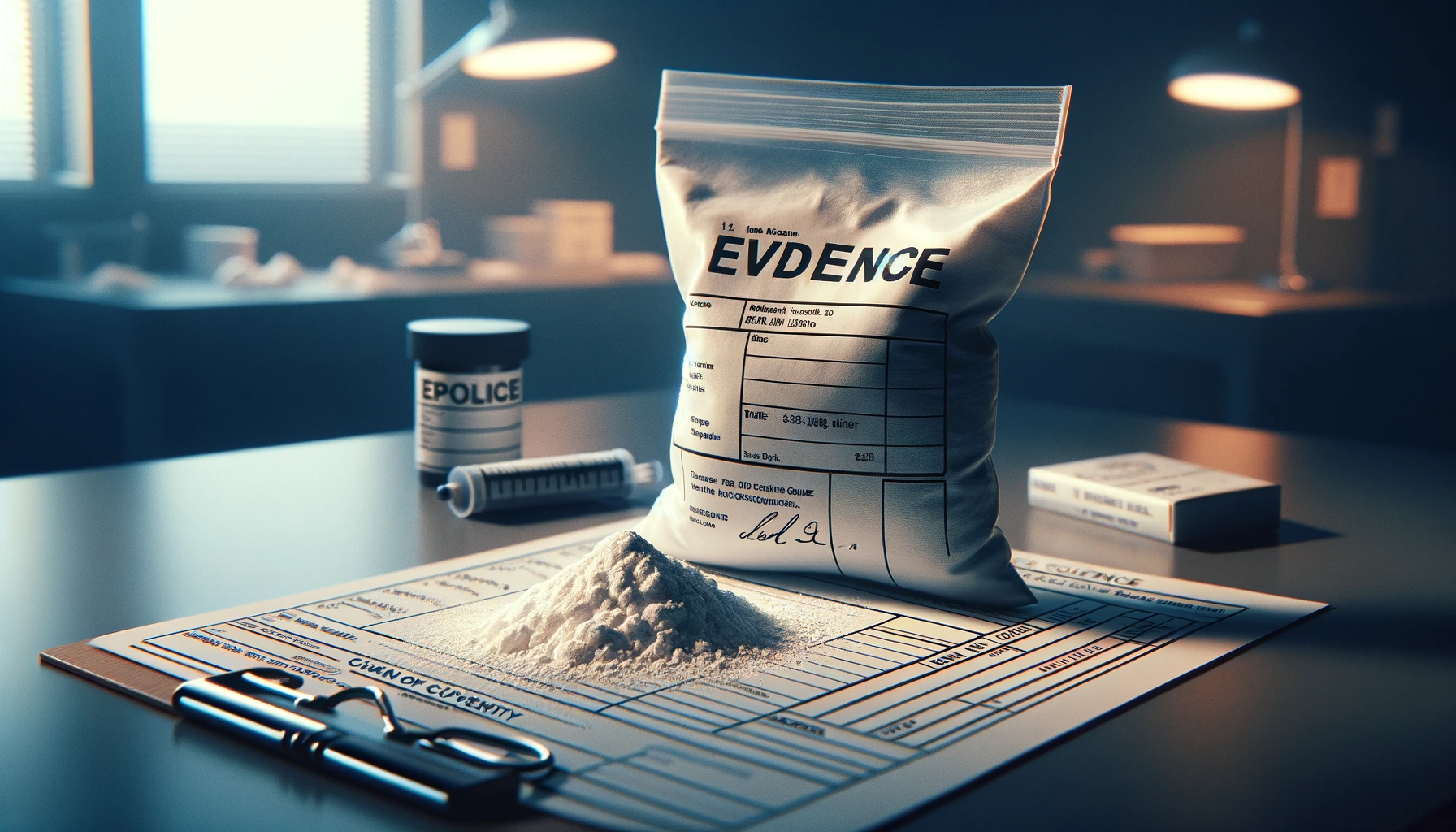
The chain of custody is the official paper trail documenting every person who has had control of the evidence from the moment it was collected until it’s presented in court.
In a drug case, this might include:
- The arresting officer who collected the substance
- The officer who transported it to the station
- The evidence technician who logged it into storage
- The lab analyst who tested it
- The prosecutor who presents it in court
Every handoff must be documented, time-stamped, and signed for. If a single link in that chain is broken, the integrity of the evidence is compromised.
2. Why Chain of Custody Matters in Drug Cases
Drug cases often hinge on lab results. The prosecution must prove:
- The substance collected was a controlled substance
- It wasn’t contaminated, switched, or tampered with
- It’s the same substance that was allegedly in your possession
If the evidence isn’t properly tracked, a good defense attorney can argue:
- The drugs tested may not be the ones seized
- The amount may have changed (affecting the level of offense)
- There’s no way to verify the test results match the original seizure
Bottom line: No reliable chain of custody = no reliable evidence = reasonable doubt.
3. Common Chain of Custody Problems in Texas Drug Cases
Chain of custody issues can crop up in many ways. Here are some of the most common scenarios:
A. Missing or Incomplete Logs
If the evidence log doesn’t clearly show who had the evidence at every step, it may be impossible to verify its integrity.
B. Unsecured Storage
If drugs are left in an unsecured vehicle, evidence locker, or desk without proper documentation, it opens the door to contamination or tampering.
C. Delayed Lab Submission
Sometimes drugs are seized but not submitted to a lab for weeks—or even months. That delay can raise questions about where the evidence was and what happened to it in the meantime.
D. Testing Discrepancies
When the field test at the scene doesn’t match the lab result—or when the lab report identifies a different substance than what was claimed—there may have been mishandling or cross-contamination.
4. What Is Evidence Tampering?
Evidence tampering refers to any act that alters, hides, destroys, or fabricates evidence to affect the outcome of a case.
This could involve:
- Law enforcement modifying reports or testifying inconsistently
- Losing or destroying video, lab samples, or original packaging
- Mislabeling or switching bags of evidence
Tampering can also be a criminal offense under Texas Penal Code § 37.09—and not just for law enforcement. Defendants, witnesses, and even lab technicians can face charges for knowingly tampering with or fabricating evidence.
If your defense attorney can show the evidence may have been tampered with, a judge may exclude the evidence altogether—or a jury may doubt the prosecution’s case.
5. How Defense Attorneys Challenge the Chain of Custody
This is where an experienced defense lawyer can turn the tide of a drug case.
They will:
- Request full chain-of-custody documentation
- Subpoena lab technicians, evidence clerks, and arresting officers
- Cross-examine personnel on procedures and timelines
- Compare log entries to radio traffic, video evidence, or arrest reports
- Highlight inconsistencies, time gaps, or unclear labeling
A strong challenge can cast serious doubt on whether the drug seized is the same one tested, or whether the sample was properly handled at all.
In some cases, the judge may grant a motion to suppress the evidence, which can lead to reduced charges or even case dismissal.
6. What You Should Do If Evidence Might Be Mishandled
If you’re facing drug charges in Texas and you believe the evidence may have been tampered with, mishandled, or isn’t what the police claim, here’s what to do:
- Tell your attorney immediately
- Request a copy of the evidence logs
- Do not attempt to “clarify” anything with law enforcement
- Let your defense team subpoena lab or chain-of-custody records
Conclusion: One Broken Link Can Break the Case
In Texas drug cases, prosecutors often assume their evidence is bulletproof. But if the chain of custody isn’t tight and properly documented, that “bulletproof” evidence can quickly fall apart under scrutiny.
Discover more from David Smith Law Firm, PLLC
Subscribe to get the latest posts sent to your email.