
Collateral Consequences of a Drug Conviction
How Drug Charges in Texas Impact Housing, Employment, and Education
When someone is arrested for a drug crime in Texas, their first concern is usually avoiding jail or reducing the charge. And that makes sense—nobody wants to lose their freedom. But what many people don’t realize is that even if you avoid prison, a drug conviction can follow you long after the case is closed.
These long-term consequences are called collateral consequences, and they affect nearly every area of life: housing, employment, education, family, and even your ability to travel or vote. In this post, we’ll break down what those consequences look like, and how a skilled attorney near you can help protect more than just your record.
? For every post in this series, scroll down to “Related Posts.”
What Is a Collateral Consequence?
A collateral consequence is a penalty that happens outside the courtroom, meaning it’s not part of your sentence—but it still affects your life. These are consequences that follow a conviction, often imposed by employers, schools, landlords, or government agencies.
Even if you get probation or deferred adjudication, certain consequences can still apply. That’s why it’s critical to understand what’s really at stake when deciding how to handle a drug charge.
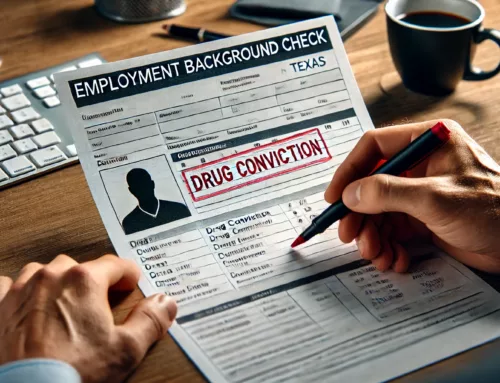
1. Employment Consequences
A drug conviction—especially a felony—can seriously limit your job opportunities.
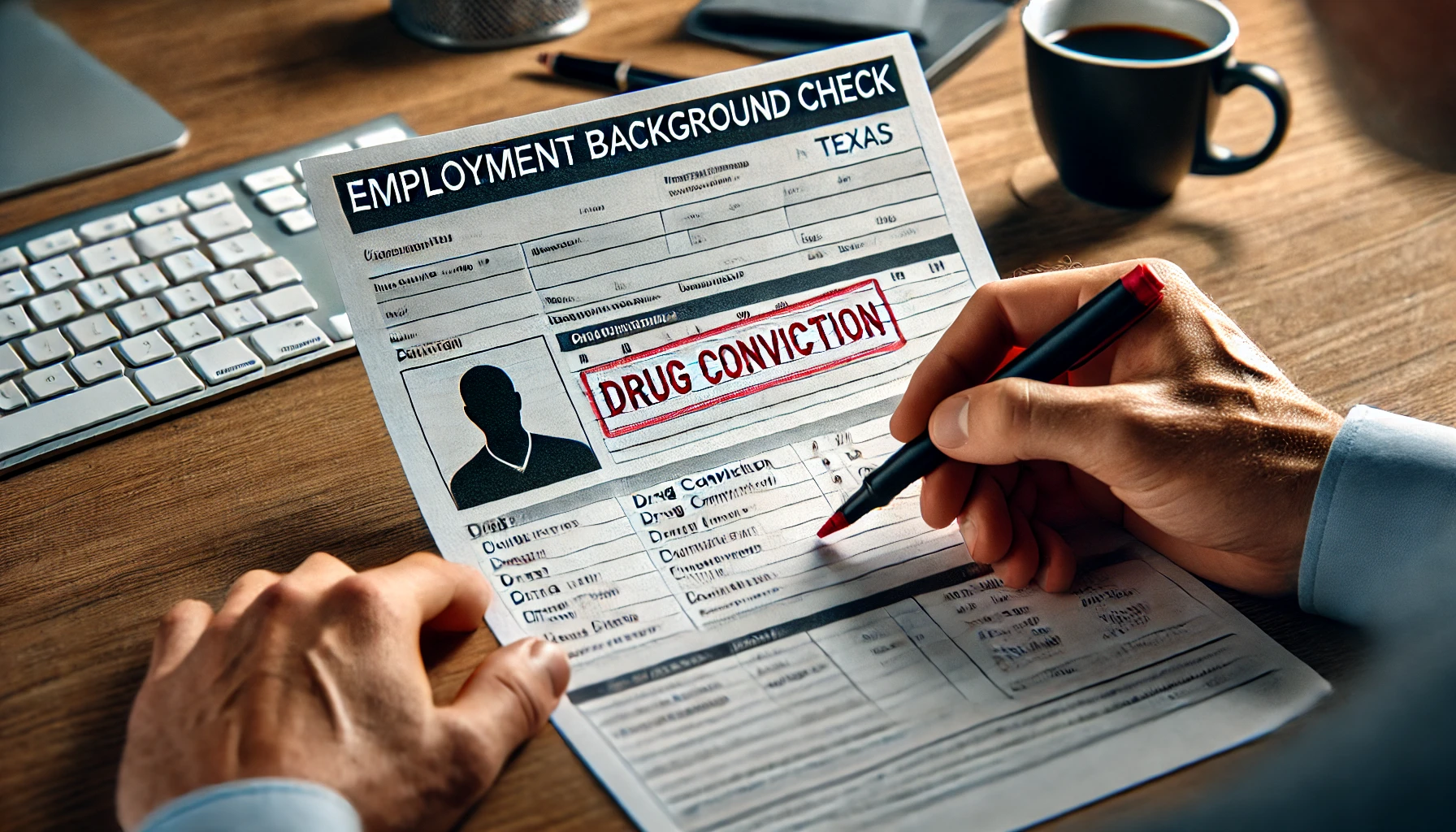
Employers often run background checks, and if they see a drug offense, they may:
- Refuse to hire you
- Fire you if you’re already employed
- Deny you a promotion or raise
- Report you to a licensing board
You may also be barred from entire industries such as:
- Healthcare
- Law enforcement
- Government and civil service
- Education
- Transportation and commercial driving
- Financial services
- Energy, construction, and security work
Texas is an at-will employment state, which means employers can legally fire or refuse to hire you because of your criminal history—even if the offense was years ago.
If you work in a regulated profession (like nursing or HVAC), your license may be revoked or denied after a conviction. That’s why avoiding a final conviction—through pretrial diversion or deferred adjudication—is often the most important goal.
To learn more about how to avoid jail or a conviction, read Can You Avoid Jail for a Drug Offense?
2. Housing and Rental Issues
A drug conviction can also impact where you’re allowed to live.
Landlords and property managers often run criminal background checks on tenants. If they see a drug charge—especially a felony or distribution charge—they may:
- Deny your rental application
- Refuse to renew your lease
- Evict you from subsidized housing
- Prohibit you from living with a family member in public housing
This is especially true for people who live in or apply for HUD housing, Section 8, or low-income tax credit housing, where drug convictions can disqualify you under federal rules.
If your drug charge involves allegations of distribution or manufacturing, even a misdemeanor can cause long-term housing barriers.
3. Education Consequences
Drug convictions can derail educational plans for both adults and teens.
If you’re applying for or currently receiving financial aid, certain drug convictions can result in:
- Suspension of Pell Grants or student loans
- Ineligibility for work-study programs
- Delays in graduation due to expulsion or suspension
Colleges and universities may also:
- Deny admission based on criminal history
- Expel students for on-campus drug offenses
- Prohibit on-campus housing
Even if your charge was unrelated to your school or education, it can show up in background checks during internships, licensing programs, or graduate school applications.
For students or young adults, preserving your record is critical. See Juvenile Drug Charges in Texas for how youth cases are handled and when records can be sealed.
4. Immigration Consequences
For non-citizens, a drug conviction can have devastating consequences.
Under federal immigration law, even a single conviction for possession of a controlled substance can lead to:
- Deportation
- Denial of visa or green card applications
- Inadmissibility (you cannot re-enter the U.S.)
- Permanent bar from citizenship
Immigration courts treat controlled substance violations as a serious matter—even if you received probation, deferred adjudication, or were never sentenced to jail.
If you’re not a U.S. citizen and facing any drug charge in Texas, speak to a defense attorney and an immigration lawyer immediately. A good criminal defense strategy can avoid the conviction entirely or restructure your plea in a way that protects your immigration status.
5. Loss of Civil Rights
A felony drug conviction in Texas means you lose several key rights:
- Right to vote (restored after completing sentence and parole)
- Right to own or possess a firearm
- Right to hold public office
- Right to serve on a jury
These consequences are often overlooked, but they can have a major impact—especially if you’re involved in your community, hunting, or political organizing.
If you’ve been convicted of a felony in Texas, you may also lose your security clearance or be disqualified from certain government contracts or benefits.
6. Family Law and Custody Issues
A drug conviction can be used against you in family court.
In child custody or divorce cases, the other party can use your conviction to claim that you:
- Are an unfit parent
- Pose a danger to your child
- Should not receive joint custody or unsupervised visits
Even if your charge involved a small amount of marijuana or paraphernalia, the court may question your decision-making or sobriety.
If you are on probation or parole, you may be subject to court-ordered drug testing or restricted visitation rights until your sentence is complete.
7. Travel and International Impact
Having a drug conviction on your record can make it harder to travel internationally. Some countries—including Canada, Australia, and the U.K.—routinely deny entry to individuals with felony or even certain misdemeanor convictions.
Even if you’re allowed in, you may be subject to additional screening or visa restrictions.
Can You Seal or Expunge a Drug Conviction?
Yes—but only under certain conditions.
You may be able to:
- Expunge your record if your charges were dismissed or you completed pretrial diversion or you are found not guilty at trial
- Seal (nondisclosure) your record after deferred adjudication or successful completion of probation (for eligible offenses)
Unfortunately, if you were convicted and served jail or prison time, your ability to clear your record is very limited in Texas.
This is why avoiding a conviction in the first place—through deferred adjudication or a plea to a lesser charge—is so important.
Why Collateral Consequences Matter
Many people plead guilty to “just a misdemeanor” to avoid jail or trial—without realizing that decision will affect them for years. A $500 fine today might mean thousands lost in job opportunities or housing rejection down the line.
A strong legal defense isn’t just about avoiding jail. It’s about protecting your future.
Your attorney should not only fight the criminal charge, but also work to:
- Reduce the impact on your record
- Protect your license or career
- Preserve your eligibility for student loans or financial aid
- Safeguard your immigration status
- Help you qualify for future expungement or sealing
Call to Action
If you’re facing a drug charge in Texas, don’t just worry about court—worry about what comes after. A conviction can haunt you for years, affecting everything from housing to jobs to your ability to rebuild your life.
Discover more from David Smith Law Firm, PLLC
Subscribe to get the latest posts sent to your email.