Consent and Misidentification Defense
Legal Use vs. Mistaken Accusations in Texas Drug Crime Cases
Not everyone charged with a drug crime in Texas is actually guilty. Sometimes, what looks like illegal possession or distribution is actually a lawful use of medication. Other times, the police or a witness simply gets it wrong—misidentifying a person, a substance, or the circumstances.
In either scenario, the right legal defense can expose these errors and clear your name. If you were lawfully using a substance (like a prescribed medication), or you were falsely accused based on someone else’s actions, you may have a strong defense under consent or misidentification.
In this post, we’ll explain what these two defenses mean, how they work in court, and why they’re especially powerful in drug cases involving prescription medications, shared spaces, or mistaken identity.
1. What Is a Consent Defense?
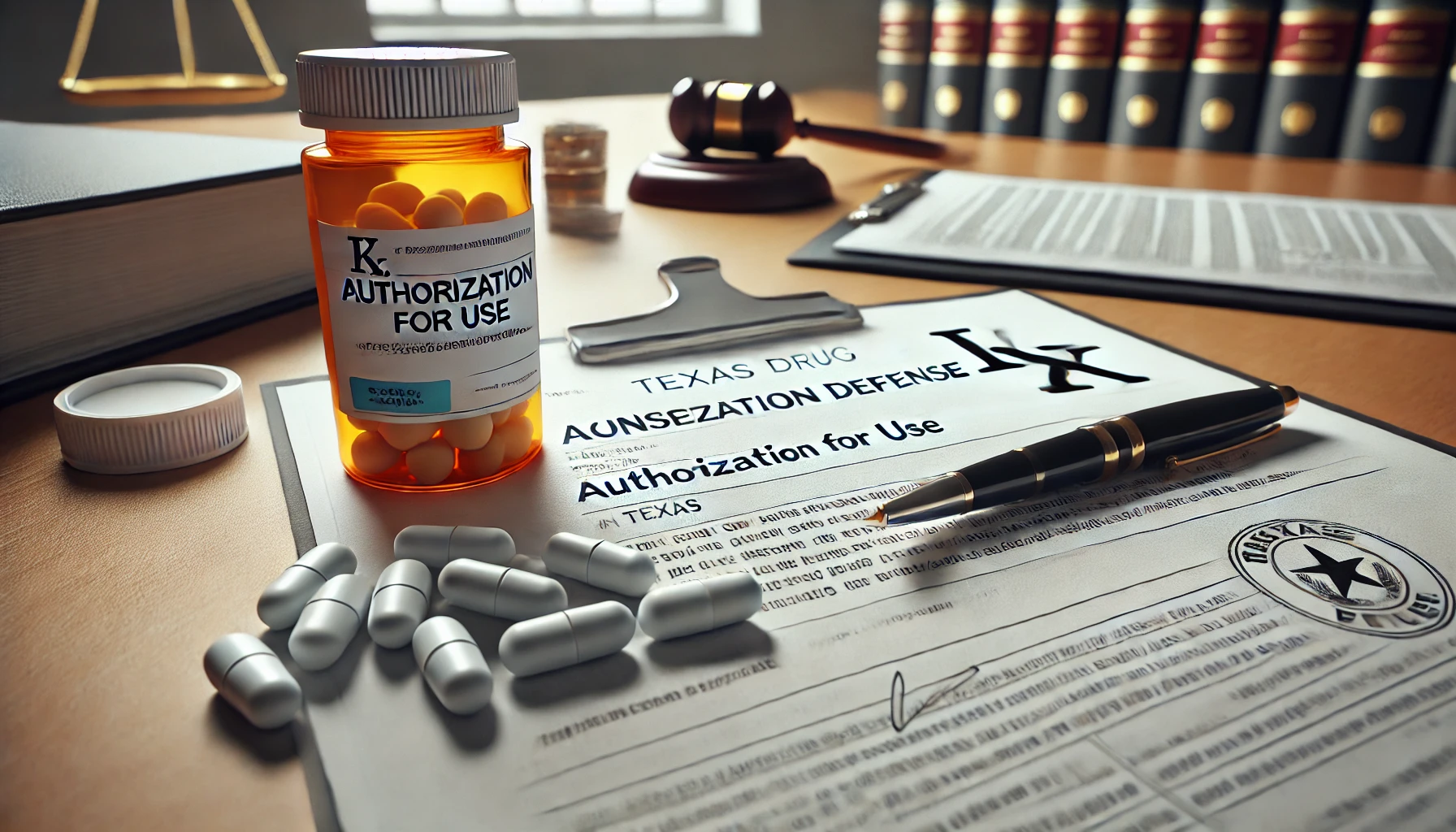
Consent in a drug case usually refers to lawful possession or use of a substance—particularly when it comes to prescription drugs.
Here’s how this plays out:
- You’re caught with Adderall, Xanax, or painkillers, but you have a valid prescription.
- Police find medical marijuana, and you’re a licensed patient in another state (Texas doesn’t currently recognize most out-of-state medical marijuana cards, but this can still help at sentencing or in negotiations).
- You possess CBD or THC oil with concentrations under the legal limit.
If you had legal authorization to possess or use the substance, the consent defense can be used to show you were not committing a crime.
2. What Is a Misidentification Defense?
Misidentification means you were wrongly identified as the person who committed a crime. This can happen in several ways:
- A witness or informant gives your name, but it was someone else
- You were in the wrong place at the wrong time (e.g., driving someone else’s car)
- You matched the description of a suspect but weren’t involved
- Police assume drugs found in a shared space belonged to you (see Lack of Possession: Actual vs. Constructive)
Misidentification is especially common when:
- Drugs are found in group settings like vehicles or apartments
- There is no forensic evidence tying you to the drugs (like fingerprints or DNA)
- Charges are based solely on an informant’s word (see How Informants Influence Drug Arrests)
3. Common Scenarios Where These Defenses Apply
A. Prescription Medications Without the Bottle
Texas law requires you to keep prescription medications in their original containers. But in real life, people carry pills in travel boxes, plastic bags, or even pockets.
If you’re stopped with pills but can prove they were legally prescribed, your attorney can assert the consent defense and push for dismissal.
B. Legal Hemp Mistaken for Marijuana
CBD products and legal hemp flower often look and smell like illegal cannabis. Field tests can’t distinguish between them. If your product contains less than 0.3% THC, it’s legal under both state and federal law.
C. Wrong Person Accused in Group Setting
Drugs found in a shared car, house, or party setting often result in charges for everyone present. If you had no control over or knowledge of the drugs, your attorney can use misidentification and lack of possession defenses.
D. Similar Name or Description
We’ve seen people charged because someone else gave a false name, or because police confused them with someone else during a chaotic arrest.
Your defense attorney will investigate the timeline, location, and available evidence (bodycams, surveillance, phone data) to prove you weren’t involved.
4. How to Prove a Consent or Misidentification Defense
To successfully assert one of these defenses, your lawyer will need to present clear, compelling evidence. This might include:
For Consent Cases:
- A copy of your prescription or medical records
- Receipts or documents showing legal purchase
- Lab tests showing low or legal THC levels
- Testimony from your doctor or caregiver
For Misidentification Cases:
- Alibi evidence (e.g., security footage, witness statements, time-stamped location data)
- Text messages or social media contradicting the state’s timeline
- DNA or fingerprint testing that excludes you
- Cross-examination showing flaws in the witness or informant’s credibility
Your attorney may also file pretrial motions to dismiss the case or exclude evidence obtained under false pretenses.
5. What If You Gave the Drugs to Someone Else?
Texas drug laws are strict—even sharing one of your own prescription pills with someone else can lead to felony charges.
If you’re charged with distribution, your defense may still center on:
- Lack of intent (see No Intent to Distribute Defense)
- Duress or Coercion (e.g., someone pressured or tricked you into giving them the drugs)
- Unlawful search or seizure (see Unlawful Search and Seizure as a Defense)
The context matters, and your attorney will work to show you were not a dealer or acting with criminal intent.
How to Respond When Charged for Legal Drug Use or Mistaken Identity6. What to Do If You’re Facing Charges for Something Legal—or Something You Didn’t Do
If you’ve been arrested and believe the drugs weren’t yours—or you had legal permission to use them—here’s what to do:
- Do not admit to anything, even if you think it’s harmless
- Save all documentation: prescriptions, product labels, receipts, messages
- Avoid contact with co-defendants or witnesses
- Talk to a defense attorney immediately
Never assume that the truth will “come out on its own.” You need someone who knows how to present it clearly and convincingly in court.
Conclusion: The Law Isn’t Perfect—But Your Defense Can Be
Texas drug laws are strict, but they’re also supposed to be fair. If you had legal permission to possess a substance—or if you were simply misidentified—you shouldn’t be punished.
The key is having an attorney who can gather the right evidence, make the right arguments, and stop the system from railroading you over a misunderstanding.
Discover more from David Smith Law Firm, PLLC
Subscribe to get the latest posts sent to your email.