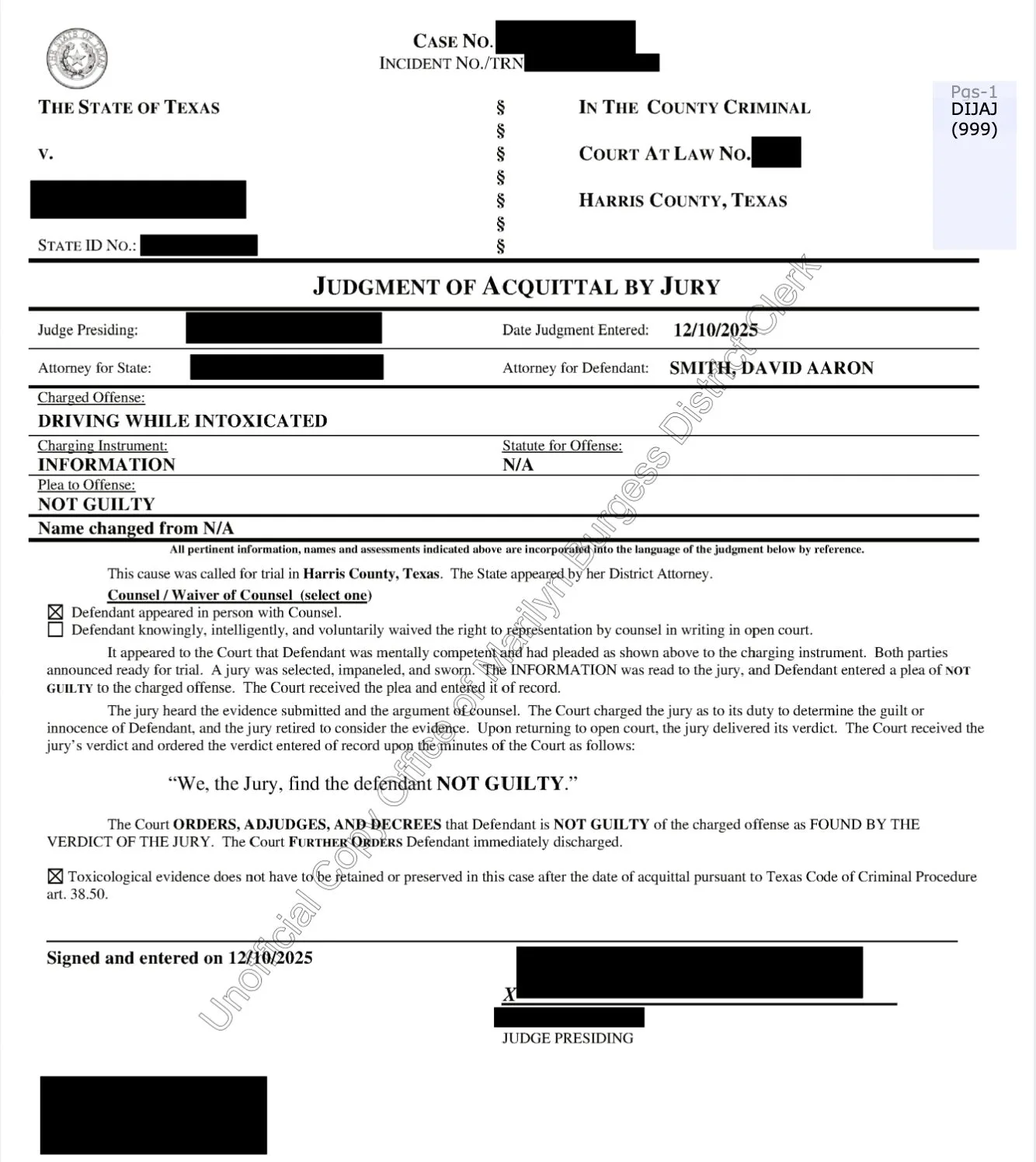

Understanding ‘Rising BAC’ Defenses: Timing Matters in DWI Cases
In Driving While Intoxicated (DWI) cases, Blood Alcohol Concentration (BAC) levels often determine guilt or innocence. But what happens if your BAC was below the legal limit while driving and only rose above it later? This concept, known as rising BAC, is a scientifically backed defense that can significantly impact a DWI case.
? For every post in this series, scroll down to “Related Posts.”
What Is Rising BAC?
Rising BAC refers to the phenomenon where a person’s blood alcohol level continues to increase after their last drink. Alcohol doesn’t instantly enter the bloodstream. Instead, it takes time to absorb fully, which means your BAC may peak long after you’ve finished drinking.
For example:
- At the time of driving, your BAC might be 0.06%, which is below the legal limit.
- By the time you are tested—potentially 30 minutes to an hour later—your BAC may have risen to 0.09%, which is above the legal limit of 0.08%.
This timing discrepancy is critical in a DWI case.
The Science Behind Rising BAC
Absorption and Metabolism
The human body processes alcohol in three stages:
- Absorption: Alcohol enters the bloodstream through the stomach and small intestine. This process can take 30 minutes to 2 hours, depending on various factors.
- Peak BAC: The point at which alcohol absorption is complete, and the BAC is at its highest.
- Elimination: The liver metabolizes alcohol at a rate of approximately 0.015% BAC per hour.
Factors Affecting Rising BAC
Several factors influence how quickly alcohol is absorbed and when BAC peaks:
- Food Intake: Drinking on an empty stomach accelerates absorption.
- Alcohol Type: Higher-alcohol drinks like shots absorb faster than beer or wine.
- Body Composition: Weight, gender, and metabolic rate play a role.
Legal Implications of Rising BAC
Timing of the Test
A key issue in DWI cases involving rising BAC is the delay between the time of driving and the time of testing. If a driver’s BAC rises during this period, the test results may not accurately reflect their condition while behind the wheel.
For example:
- A driver is stopped at 10:00 PM and undergoes a breathalyzer test at 10:45 PM. In this time, their BAC could increase due to continued alcohol absorption. Sometimes getting charged for DWI with an open alcoholic container may be an easier case to defend, due to rising BAC.
Impact on Evidence
- Field Sobriety Tests: If these were conducted at the time of the stop and the driver showed no signs of impairment, it may support the argument that their BAC was lower while driving.
- Breath and Blood Tests: These tests might show a higher BAC due to the timing of alcohol absorption.
How Rising BAC Can Be Used as a Defense
To build a rising BAC defense, your attorney may:
- Challenge the Test Timing: Demonstrate that your BAC was below the legal limit while driving but rose after the stop.
- Use Expert Testimony: Toxicologists can explain the science of alcohol absorption and estimate your BAC at the time of driving.
- Highlight Reasonable Doubt: By showing discrepancies between field sobriety tests and chemical test results, your attorney can create doubt about your impairment while driving.
Real-World Applications
Consider this scenario:
- A driver consumes four drinks and leaves a bar at 9:30 PM. They are stopped at 10:00 PM and perform well on field sobriety tests. However, a breathalyzer test administered at 10:30 PM shows a BAC of 0.09%.
In this case, the rising BAC defense could argue that the driver’s BAC was below 0.08% at the time of driving, challenging the validity of the DWI charge.
How a Criminal Defense Attorney Can Help
Navigating a DWI case involving rising BAC requires a skilled defense. An experienced criminal defense attorney near you can:
- Analyze the timeline of events, including the time of your last drink, the traffic stop, and the BAC test.
- Collaborate with toxicologists to estimate your BAC range while driving.
- Challenge the accuracy and timing of breathalyzer or blood test results.
Conclusion
Rising BAC is a scientifically supported defense that can create reasonable doubt in a DWI case. Timing matters, and understanding the nuances of alcohol absorption and testing procedures can make a significant difference in your case.
If you’re facing a DWI charge and believe rising BAC may apply, don’t navigate the legal system alone. Contact David Smith Law Firm, PLLC today for criminal law expert legal representation.
Discover more from David Smith Law Firm, PLLC
Subscribe to get the latest posts sent to your email.