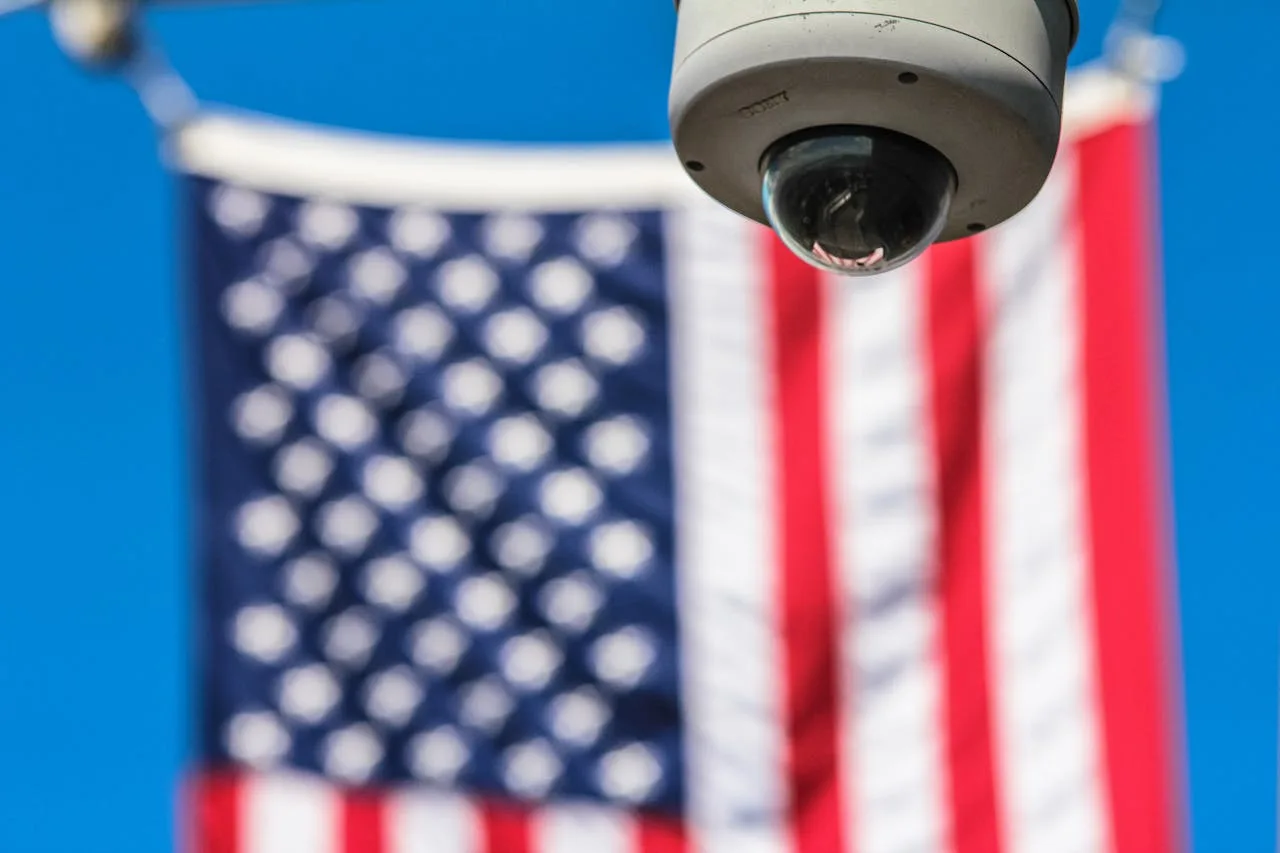
Houston neighborhoods and apartment complexes are increasingly installing Flock Safety cameras to deter crime and assist law enforcement.
These cameras promise security, but they also raise serious questions about privacy, constitutional rights, and how far surveillance technology can go.
If you’re wondering whether Flock cameras are a helpful crime-fighting tool or a potential threat to civil liberties, this article breaks down the pros and cons, explores Fourth Amendment concerns, and answers the critical question: Do Flock cameras track more than license plates?
What Are Flock Cameras and Why Are They in Houston?
Flock Safety cameras are automated license plate readers (ALPRs) that capture high-resolution images of vehicles, including license plates, make, model, and color. These cameras are often installed by HOAs, apartment complexes, and municipalities to monitor traffic and identify vehicles linked to criminal activity.
Unlike traditional surveillance cameras, Flock systems use cloud-based storage and advanced analytics to share data with law enforcement agencies. This integration makes them powerful tools for investigations—but also raises serious privacy concerns for Houston residents.
The Pros of Flock Cameras in Houston
1. Crime Deterrence
Flock cameras can discourage criminal activity in Houston neighborhoods. When criminals know a community uses ALPR technology, they may think twice before committing theft, burglary, or other offenses.
2. Faster Investigations
Law enforcement agencies often praise Flock cameras for helping solve crimes quickly. By tracking vehicles entering or leaving a crime scene, investigators can narrow down suspects and recover stolen property faster.
3. Community Safety
For HOAs and apartment complexes, Flock cameras provide peace of mind. Residents feel safer knowing that suspicious vehicles can be flagged and reported to authorities.
4. Integration with Law Enforcement
Flock cameras allow real-time alerts for vehicles associated with Amber Alerts, stolen cars, or wanted suspects, making them a valuable tool for urgent cases.
The Cons of Flock Cameras in Houston
1. Privacy Concerns
Flock cameras don’t just capture license plates—they also record vehicle characteristics like color, make, and even bumper stickers. This level of detail can feel invasive, especially when stored in a centralized database accessible to law enforcement.
2. Data Retention
Flock stores data for 30 days by default, but some agencies may keep it longer. This raises questions about how long your movements are tracked and who has access to that information.
3. Potential for Misuse
While intended for crime prevention, ALPR data could be misused for surveillance beyond criminal investigations, such as tracking political activists or monitoring individuals without probable cause.
4. False Positives
License plate readers aren’t perfect. A misread plate can lead to wrongful stops, searches, or even arrests—creating legal headaches for innocent drivers.
Do Flock Cameras Track More Than License Plates?
Yes. Flock cameras capture:
- License plate numbers
- Vehicle make, model, and color
- Distinctive features (roof racks, bumper stickers)
- Time and location of travel
This means Flock cameras create a digital trail of your movements, which can be pieced together to reveal patterns—such as where you live, work, and travel. While Flock claims its system is not designed for facial recognition, the amount of vehicle data collected can still feel intrusive.
Constitutional Concerns: Are Flock Cameras Legal in Texas?
The legality of Flock cameras hinges on Fourth Amendment protections against unreasonable searches and seizures. Here’s the debate:
1. Expectation of Privacy
Courts generally hold that you have no reasonable expectation of privacy in your license plate because it’s visible on public roads. However, when cameras track your movements over time, it becomes a form of mass surveillance, which some argue violates constitutional rights.
2. Warrantless Tracking
If law enforcement uses Flock data to monitor your travel patterns without a warrant, this could raise Fourth Amendment issues. The Supreme Court has ruled in cases like Carpenter v. United States that prolonged tracking of location data may require a warrant. The Houston Chronicle discovered many police were not entering a reason why they were searching the Flock database.
3. Data Sharing
Flock’s ability to share data across jurisdictions means your movements could be tracked far beyond your neighborhood. This raises concerns about government overreach and the potential for abuse.
4. Texas-Specific Considerations
Texas law does not currently prohibit ALPR use, but it does regulate how law enforcement can store and share data. Still, the lack of strict oversight leaves room for constitutional challenges in the future.
What Should You Do If Flock Data Is Used Against You in Houston?
If you’re facing criminal charges and Flock camera data is part of the evidence, you need to act fast. Here’s why:
- Challenge the legality of the surveillance: Was the data obtained without a warrant? Was it used to track you over time?
- Question the accuracy: Could the camera have misread your plate or misidentified your vehicle?
- Explore suppression motions: If the evidence violates constitutional protections, your attorney may seek to have it excluded.
Why You Need a Houston Criminal Defense Attorney Immediately
If you’ve been arrested or investigated based on Flock camera data, your freedom and future are at stake. A skilled Houston criminal defense lawyer can:
- Analyze whether your Fourth Amendment rights were violated.
- File motions to suppress illegally obtained evidence.
- Protect you from wrongful charges based on faulty ALPR data.
Don’t wait until it’s too late. The sooner you have an experienced attorney on your side, the better your chances of protecting your rights.
Discover more from David Smith Law Firm, PLLC
Subscribe to get the latest posts sent to your email.