How a Drug Charge Affects Immigration Status
Risks for Non-Citizens and Permanent Residents in Texas
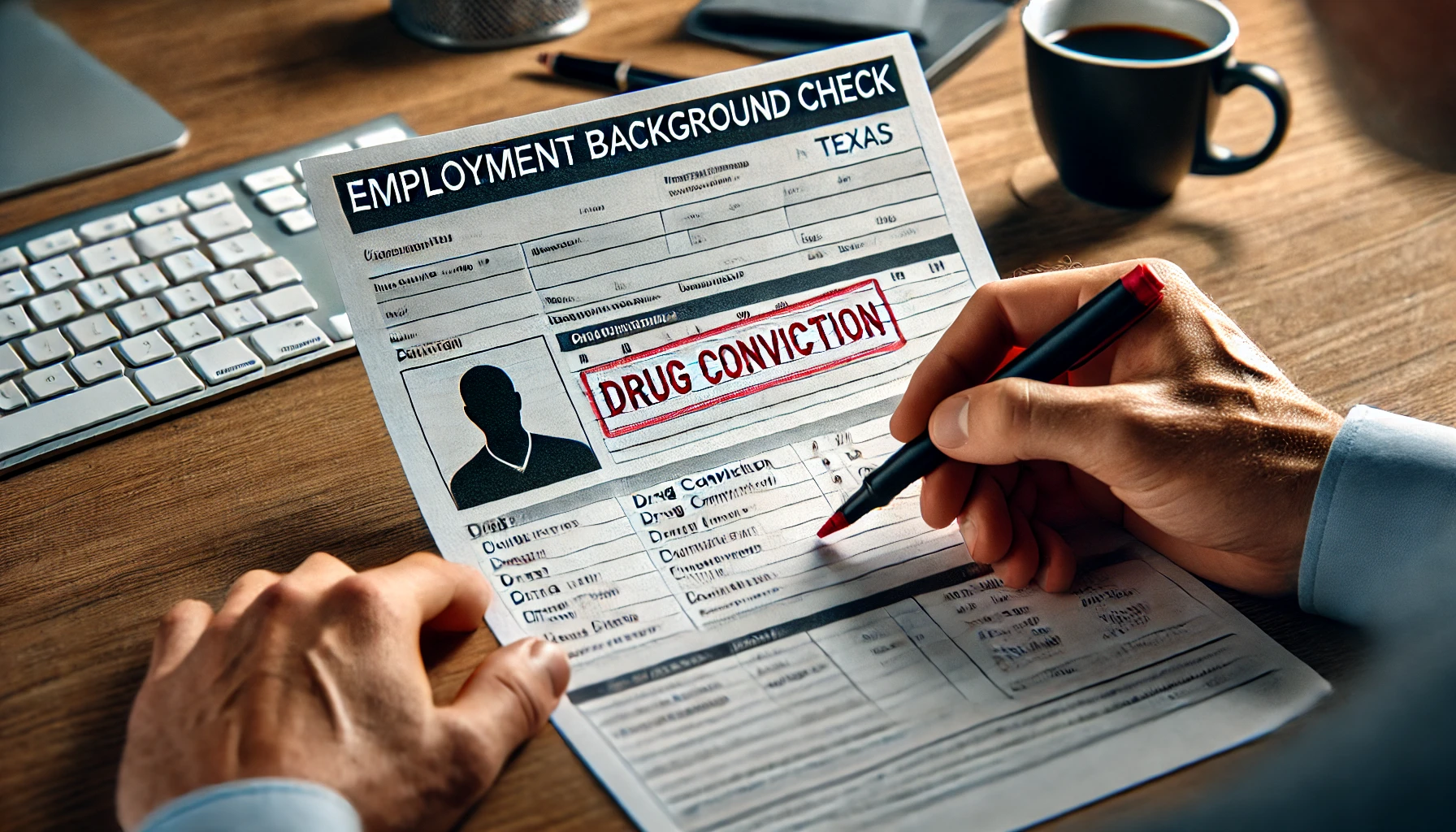
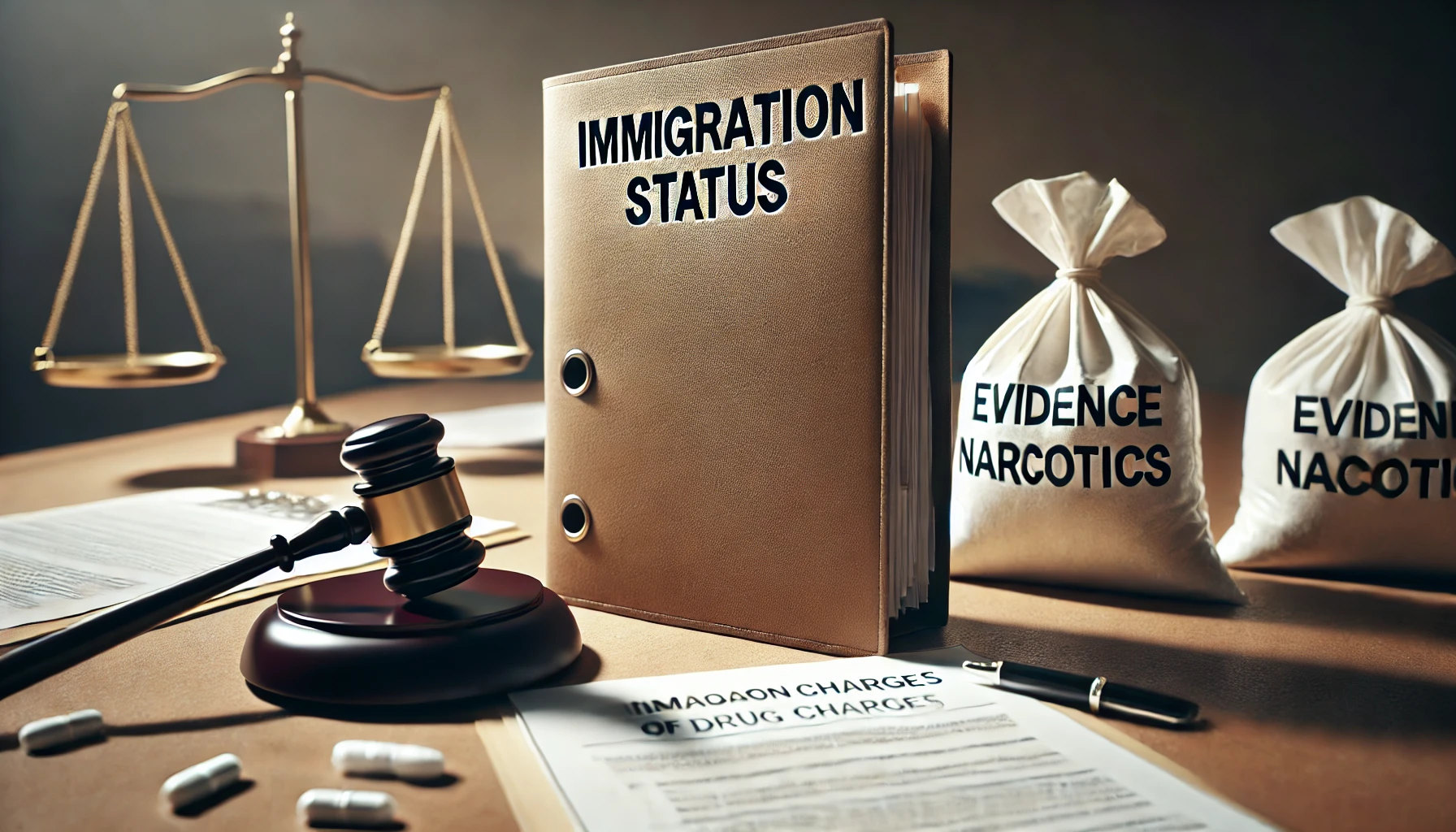
If you’re not a U.S. citizen and you’re facing a drug charge in Texas, the stakes are far higher than jail time or fines. For immigrants—whether you’re a green card holder, visa holder, DACA recipient, or undocumented—a single drug conviction can lead to deportation, visa denial, or permanent bars from returning to the U.S.
The consequences of a drug charge on immigration status are often swift, severe, and sometimes irreversible. That’s why it’s critical to understand how immigration and criminal law interact—and how a skilled defense attorney near you can protect both your freedom and your future.
? For every post in this series, scroll down to “Related Posts.”
Who Is at Risk?
Drug charges can affect any non-citizen, including:
- Green card holders (lawful permanent residents)
- Undocumented immigrants
- Temporary visa holders (students, workers, tourists)
- Refugees and asylees
- DACA recipients (Deferred Action for Childhood Arrivals)
- Legal residents applying for naturalization
Even if your charge is resolved with no jail time, it can still trigger immigration consequences like removal proceedings or denial of future immigration benefits.
Which Drug Charges Trigger Immigration Consequences?
U.S. immigration law considers most drug crimes to be deportable offenses under the Immigration and Nationality Act (INA).
You may be subject to deportation or inadmissibility for:
- Possession of a controlled substance (except a single offense of marijuana under 30 grams)
- Drug trafficking
- Manufacturing or distributing drugs
- Conspiracy to commit a drug offense
- Admitting to drug use or drug-related conduct, even without a conviction
This includes charges involving:
- Cocaine, meth, heroin, fentanyl
- THC oils or marijuana concentrates
- Ecstasy (MDMA), LSD, mushrooms
- Prescription drugs like Xanax or Adderall without a valid prescription
Even a Class B misdemeanor for possession of marijuana can be grounds for immigration denial if the amount is over 30 grams or part of a plea that includes an admission of guilt.
To learn how these charges are categorized, see Texas Controlled Substances Act: What You Should Know and Drug Schedules in Texas Explained.
Immigration Terms You Need to Know
Here’s how different drug charges might affect your status:
Deportability
This means immigration authorities can initiate removal proceedings against you. A conviction for most drug crimes makes you deportable—even if you’ve lived in the U.S. for years or have a green card.
Inadmissibility
This means you cannot re-enter the U.S. or apply for visas, green cards, or citizenship. You can be found inadmissible for:
- Drug convictions
- Drug use admissions
- Past offenses, even without a conviction
Aggravated Felony
If you’re convicted of a drug trafficking offense, it may be classified as an aggravated felony, which makes you:
- Ineligible for almost all forms of immigration relief
- Subject to immediate detention and deportation
- Permanently barred from returning
This can apply even if you never served jail time or if your case was resolved in state court. See Federal vs. Texas Drug Laws: Key Differences to understand how federal classification works.
What If You Take a Plea Deal?
Many people accept plea bargains to avoid jail, thinking the case will go away. But for non-citizens, even a guilty plea with deferred adjudication can be disastrous for immigration.
Here’s why:
- Immigration courts consider deferred adjudication a conviction if you plead guilty and receive any form of punishment or supervision
- Pretrial diversion, where you are not required to enter a plea, is often safer—but only if your attorney negotiates it correctly
- Admitting facts related to drug use or distribution—even without a conviction—can still make you inadmissible
You should never accept a plea deal without first speaking to both a criminal defense attorney and an immigration lawyer. A defense strategy that works for a citizen could ruin your immigration status.
To learn about jail alternatives that could protect your future, read Can You Avoid Jail for a Drug Offense?
What If You’re Undocumented?
If you’re undocumented and arrested for a drug offense in Texas, you’re at immediate risk of:
- Immigration detainer and ICE hold
- Transfer to federal custody after state release
- Deportation without bond or hearing
Even a minor paraphernalia charge can lead to ICE involvement. That’s why defending the underlying drug case aggressively is crucial—the best immigration defense is often a successful criminal defense.
Green Card Holders Are Not Safe
Many lawful permanent residents believe that their green card protects them from deportation. Unfortunately, that’s not true. If you’re convicted of a drug offense:
- You can be placed in removal proceedings
- You may be barred from reentry after travel
- You may be denied naturalization
Certain waivers and relief options are available—but only if your criminal record is properly handled and presented. This is another reason to avoid any conviction if possible.
DACA and Visa Holders
For those with DACA, student visas, or work visas:
- A drug conviction will likely lead to revocation of your status
- You may become ineligible for renewal or extension
- You may be denied adjustment of status or future immigration benefits
Because these statuses are discretionary, immigration authorities don’t need much justification to deny your application.
Can You Be Detained Without Bond?
Yes. Non-citizens arrested for drug offenses can be held in mandatory immigration detention and denied bond—especially if charged with:
- Possession of a controlled substance (felony level)
- Drug distribution or manufacturing
- Repeat offenses
This means you may not be able to return home to your family while your immigration case is pending.
How to Protect Your Immigration Status
If you’re a non-citizen facing a drug charge, your legal defense must consider both criminal and immigration consequences. The right attorney will:
- Fight the charge in a way that avoids immigration triggers
- Explore pretrial diversion or dismissals that do not involve a plea
- Help avoid language in the record that can be used against you
- Work with an immigration attorney to protect your status
See Search and Seizure Laws in Drug Cases for how illegally obtained evidence can be suppressed to defeat charges before immigration problems arise.
Can You Still Get a Green Card or Citizenship After a Drug Arrest?
It depends. If your case is dismissed or you avoid a conviction, you may still qualify for certain benefits. But if you’ve already been convicted, it can make:
- Adjustment of status very difficult
- Naturalization impossible for years (or permanently)
- Reentry into the U.S. risky if you travel abroad
Always consult an immigration lawyer before applying for anything if you have a drug-related arrest or charge in your past.
Call to Action
If you’re not a U.S. citizen and have been charged with a drug offense, you’re not just fighting for your record—you’re fighting for your future in this country. A conviction can lead to detention, deportation, or permanent loss of status.
Discover more from David Smith Law Firm, PLLC
Subscribe to get the latest posts sent to your email.