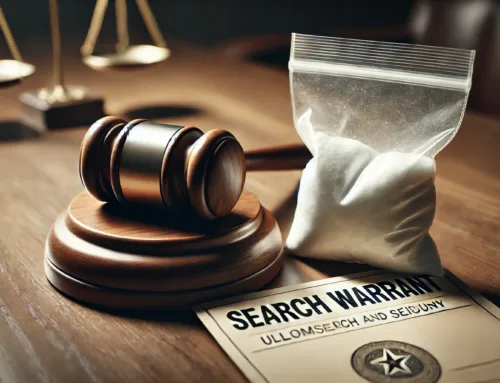

How Informants Influence Drug Arrests: The Role of Confidential Informants and Entrapment Concerns
Understanding the role of confidential informants (CIs) in drug arrests is crucial for anyone navigating the complexities of the criminal justice system. CIs are individuals who provide law enforcement with information about illegal activities, often in exchange for leniency in their own legal matters or financial compensation. While their contributions can be instrumental in combating drug-related crimes, the use of informants raises significant ethical and legal questions, particularly concerning entrapment.
For every post in this series, scroll down to “Related Posts.”
The Role of Confidential Informants in Drug Investigations
Confidential informants are a staple in law enforcement’s arsenal against drug crimes. They offer insider perspectives that might otherwise be inaccessible, facilitating operations such as controlled buys and undercover stings. However, the reliance on CIs is a double-edged sword. Many informants have criminal backgrounds and may be motivated by self-interest, which can compromise their reliability and the integrity of the investigations they aid.
The Department of Justice acknowledges both the rewards and risks associated with utilizing CIs. While they can provide valuable information, there’s an inherent danger if they are not properly managed, potentially rendering investigations useless or even endangering lives.
Entrapment Concerns in the Use of Informants
Entrapment occurs when law enforcement induces an individual to commit a crime they would not have otherwise engaged in. This defense is particularly pertinent in cases involving CIs, as their interactions with suspects can blur the lines between lawful investigation and coercion. The subjective nature of entrapment defenses often makes them challenging to prove in court.
The U.S. Department of Justice clarifies that the mere use of undercover agents or informants does not constitute a due process violation. However, if government conduct is deemed “outrageous” and “shocking to the universal sense of justice,” it could reach a level that violates due process.
Legal Precedents and Implications
Several landmark cases have shaped the legal landscape regarding informants and entrapment:
- Sherman v. United States (1958): The Supreme Court overturned a conviction, ruling that the defendant was entrapped by a government informant who repeatedly solicited him to procure drugs.
- United States v. Russell (1973): The Court upheld a conviction, emphasizing the defendant’s predisposition to commit the crime, even though a government agent had supplied a key ingredient for drug manufacturing.
- Hampton v. United States (1976): The Court ruled that government agents supplying illegal drugs for a transaction does not constitute entrapment if the defendant was predisposed to sell drugs regardless of the supplier.
These cases highlight the nuanced and often contentious nature of entrapment defenses in drug-related offenses.
Ethical Considerations and Best Practices
The International Association of Chiefs of Police outlines ethical guidelines for managing CIs, emphasizing that informants are not law enforcement officers and must not engage in actions that could be deemed entrapment. Proper oversight and clear boundaries are essential to maintain the integrity of investigations and uphold justice.
Conclusion: Navigating the Complexities of Informant Involvement
The use of confidential informants in drug arrests is fraught with complexities, balancing the potential benefits against significant ethical and legal risks. Understanding the intricacies of entrapment and the role of CIs is vital for anyone facing drug-related charges.
David Smith is a board-certified criminal defense attorney with extensive experience in cases involving confidential informants and entrapment defenses.
Discover more from David Smith Law Firm, PLLC
Subscribe to get the latest posts sent to your email.