
Gathering Drug Case Evidence: Surveillance, Searches & Undercover OpsHow Police Gather Evidence in Drug Cases: Surveillance, Searches, and Undercover Operations
Understanding the methods law enforcement employs to collect evidence in drug-related cases is crucial for anyone navigating the complexities of the legal system. Police utilize a combination of surveillance techniques, search procedures, and undercover operations to build cases against individuals suspected of drug offenses. This article delves into these tactics, shedding light on their implementation and the legal considerations surrounding them.
For every post in this series, scroll down to “Related Posts.”
Surveillance: Monitoring Suspected Activity
Surveillance is a foundational tool in drug investigations, allowing officers to observe and document suspect behavior without immediate intervention. The primary forms include:
Physical Surveillance
Officers discreetly follow and watch individuals suspected of drug activities, noting patterns such as frequent visits to known drug locations or interactions with other suspects. This method requires patience and skill to avoid detection.
Electronic Surveillance
With appropriate legal authorization, law enforcement may employ electronic means to monitor communications. This can encompass wiretapping phone calls, intercepting emails, and tracking social media interactions. Advanced technology facilitates the monitoring of complex operations without alerting the suspects.
Video and Photographic Surveillance
Utilizing cameras in public areas or concealed recording devices, officers can capture visual evidence of drug transactions or related activities. These recordings can be pivotal in court proceedings.
Searches: Uncovering Physical Evidence
Searches are conducted to find tangible evidence of drug crimes, such as narcotics, paraphernalia, or records of transactions. Key types include:
Consent Searches
Occurring when an individual voluntarily agrees to a search, officers are not required to have a warrant or probable cause in these instances. Consent must be given freely and without coercion.
Warrant Searches
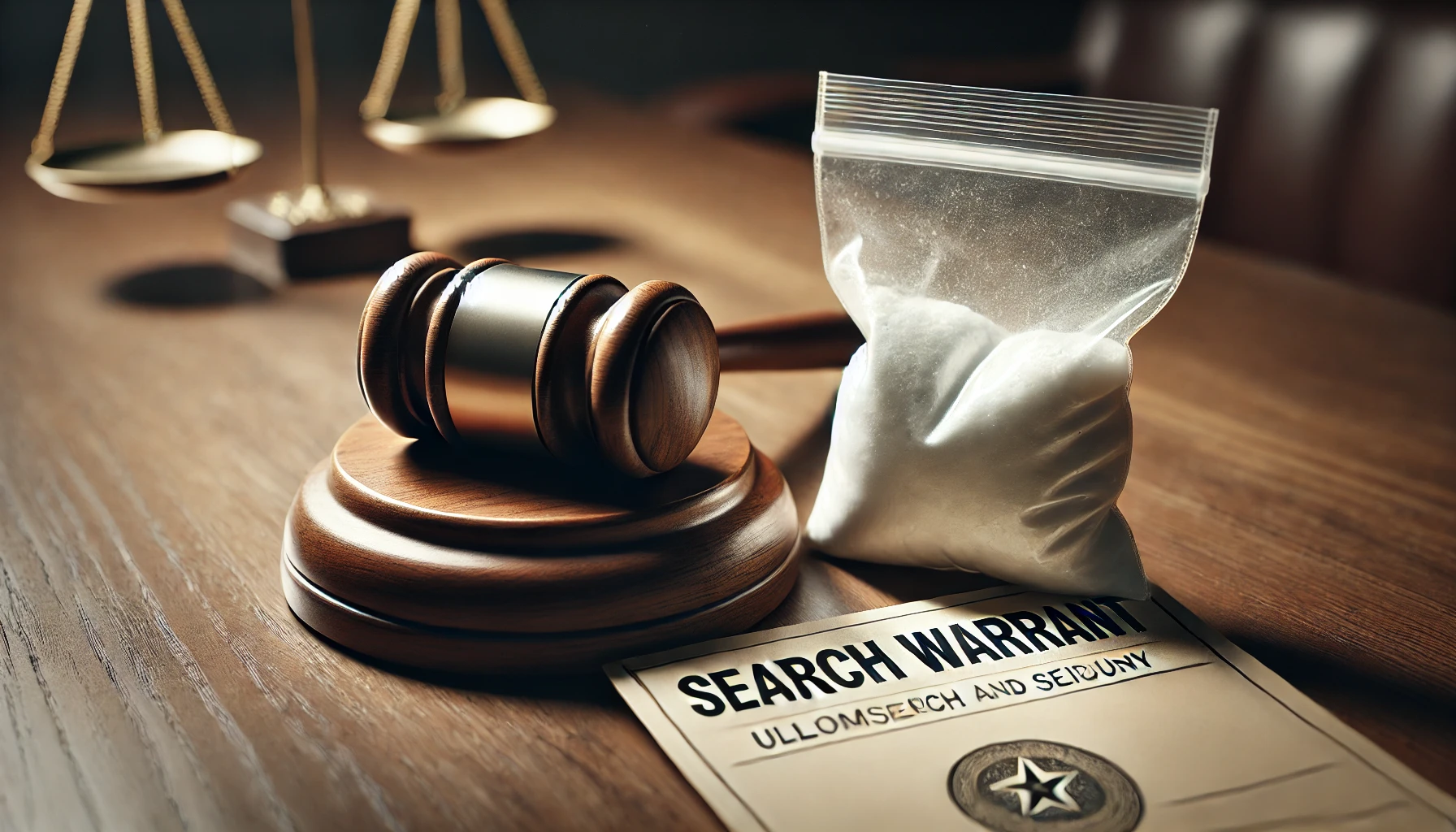
Based on probable cause, officers obtain a search warrant from a judge to search specific locations. Warrants are often issued when there is reasonable belief that evidence of a crime will be found.
Warrantless Searches
In certain exigent circumstances, searches may be conducted without a warrant. Examples include situations where evidence is at risk of immediate destruction or when an officer’s safety is in jeopardy.
Undercover Operations: Infiltrating Drug Networks
Undercover work involves officers disguising their identities to penetrate drug circles and gather firsthand evidence.
Controlled Buys
An undercover officer or informant purchases drugs from a suspect under police supervision. These operations are meticulously planned to ensure the safety of all involved and the integrity of the evidence collected.
Buy-Bust Operations
Similar to controlled buys, but immediately after the transaction, officers arrest the suspect. This tactic aims to catch offenders in the act and secure concrete evidence.
Long-Term Infiltration
In more complex cases, officers may spend extended periods undercover to gain the trust of suspects and gather extensive evidence on drug operations. This approach can lead to dismantling entire networks but carries significant personal risk for the officers involved.
Legal Considerations and Challenges
While these methods are instrumental in combating drug crimes, they must adhere to legal standards to protect individual rights.
Entrapment Concerns
Undercover operations must avoid inducing individuals to commit crimes they otherwise would not have engaged in. If law enforcement’s actions are deemed to have entrapped a suspect, the evidence may be inadmissible in court.
Chain of Custody
Maintaining a clear and documented chain of custody for all evidence ensures its integrity from collection to presentation in court. Any breaks or mishandling can lead to challenges regarding the evidence’s authenticity.
Constitutional Protections
The Fourth Amendment safeguards against unreasonable searches and seizures. Evidence obtained in violation of these protections can be suppressed, potentially weakening the prosecution’s case.
Conclusion: Navigating the Complexities of Drug Investigations
The strategies employed by law enforcement in drug cases are multifaceted and governed by stringent legal frameworks. Understanding these methods is vital for individuals facing drug charges, as it informs the development of an effective defense strategy.
Discover more from David Smith Law Firm, PLLC
Subscribe to get the latest posts sent to your email.