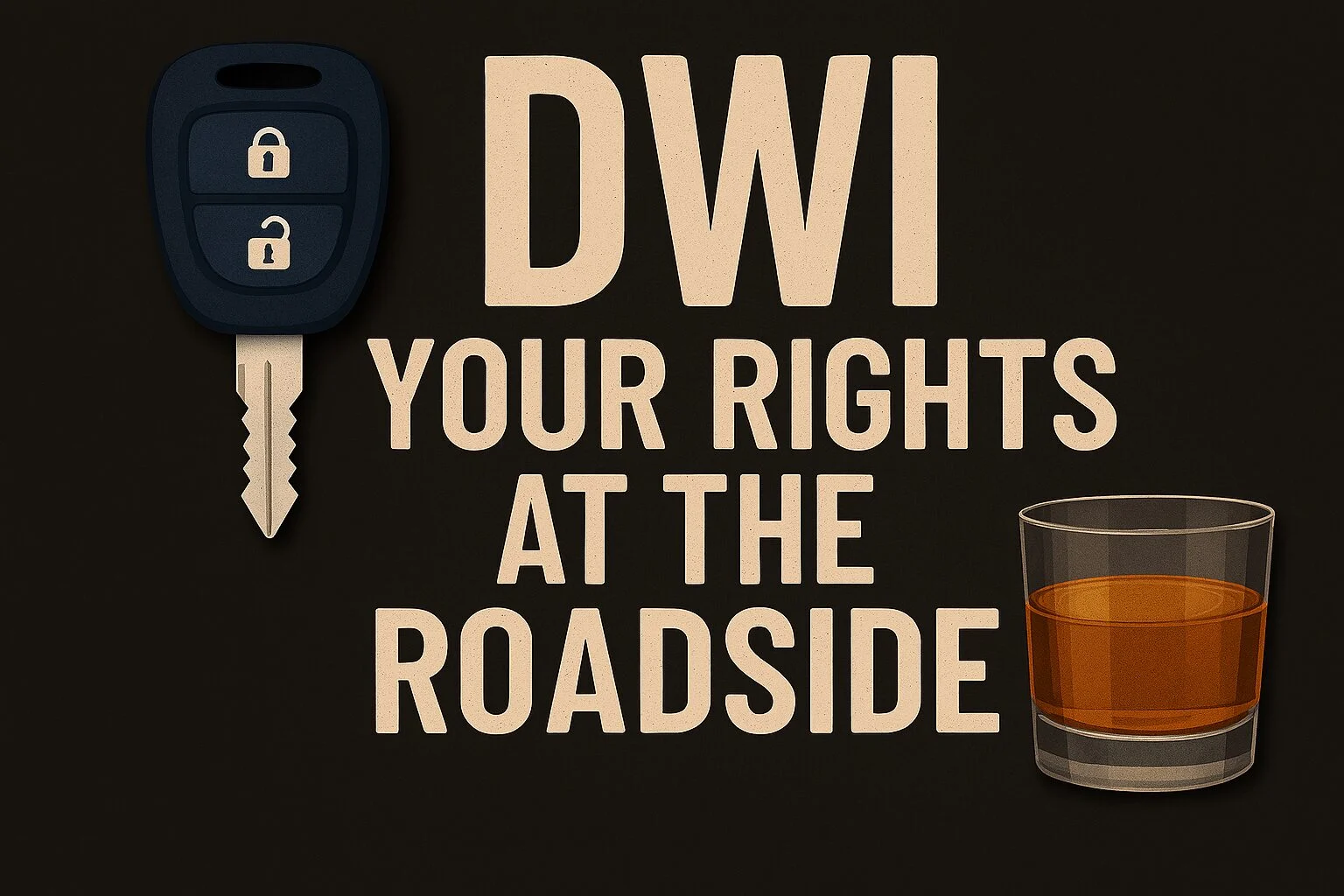

What Are Implied Consent Laws and What Do They Mean for You?
Driving is a privilege, not a right, and with that privilege comes certain responsibilities. In Texas and many other states, implied consent laws play a critical role in enforcing Driving While Intoxicated (DWI) regulations. These laws require drivers to submit to chemical testing if lawfully arrested for suspected impairment. While these laws aim to enhance road safety, they also raise important legal and ethical questions about individual rights.
? For every post in this series, scroll down to “Related Posts.”
What Are Implied Consent Laws?
Implied consent laws mean that by operating a motor vehicle on public roads, you automatically consent to chemical testing (breath, blood, or urine) if an officer suspects you of driving under the influence. Refusing a test can lead to immediate penalties, regardless of whether you’re ultimately convicted of a DWI.
The Legal Framework
In Texas, implied consent laws are outlined in Texas Transportation Code § 724.011. Key provisions include:
- Drivers are deemed to have consented to BAC or drug testing upon lawful arrest.
- Testing must be conducted by a qualified individual and follow specific procedures.
- Refusal to submit results can result in administrative penalties.
Why Do Implied Consent Laws Exist?
Implied consent laws were introduced to combat impaired driving by increasing the likelihood that chemical evidence is available in DWI cases. They balance public safety concerns with the practical need to gather evidence quickly and efficiently.
Rationale
- Deterrence: Drivers are less likely to refuse testing if they know it can lead to administrative penalties.
- Efficiency: Obtaining chemical evidence, in theory, strengthens the prosecution’s case and streamlines legal proceedings.
- Public Safety: Identifying and penalizing impaired drivers may reduce accidents and fatalities.
Consequences of Refusing a Test
Refusing to submit to a chemical test doesn’t mean you avoid consequences. In fact, refusal can result in severe administrative and legal penalties if you are not aware of your legal rights.
Administrative Penalties
- License Suspension:
- First refusal: 180-day suspension.
- Second refusal (within 10 years): Up to 2 years.
- SR-22 Insurance: You may be required to carry high-risk insurance, significantly increasing your premiums. There a different types of SR-22 insurance and if you need to obtain SR-22 coverage, you need to do it the right way.
Legal Penalties
- Refusal can be used as evidence of guilt in court.
- Repeat refusals may result in enhanced penalties.
For more on the legal consequences, see DWI Penalties in Different States (Comparative Overview).
Challenges to Implied Consent Laws
While implied consent laws serve an important public safety function, they also raise concerns about individual rights and due process.
1. Is Consent Truly Voluntary?
Critics argue that implied consent isn’t genuine consent, as drivers face coercion through severe penalties for refusal. This tension between public safety and personal freedom is a central debate.
2. Accuracy of Chemical Tests
Refusing a test doesn’t eliminate the possibility of wrongful charges. Breathalyzers and other devices aren’t foolproof. Learn more about their limitations in Breathalyzers & Chemical Tests: What You Need to Know.
3. Disparities in Enforcement
Studies show that implied consent laws may be disproportionately enforced, leading to unequal treatment based on race or socioeconomic status.
How to Respond If You’re Arrested
If you’re stopped and suspected of DWI, understanding your rights is crucial:
1. Remain Polite and Cooperative
Being respectful can help de-escalate the situation.
2. Know Your Rights
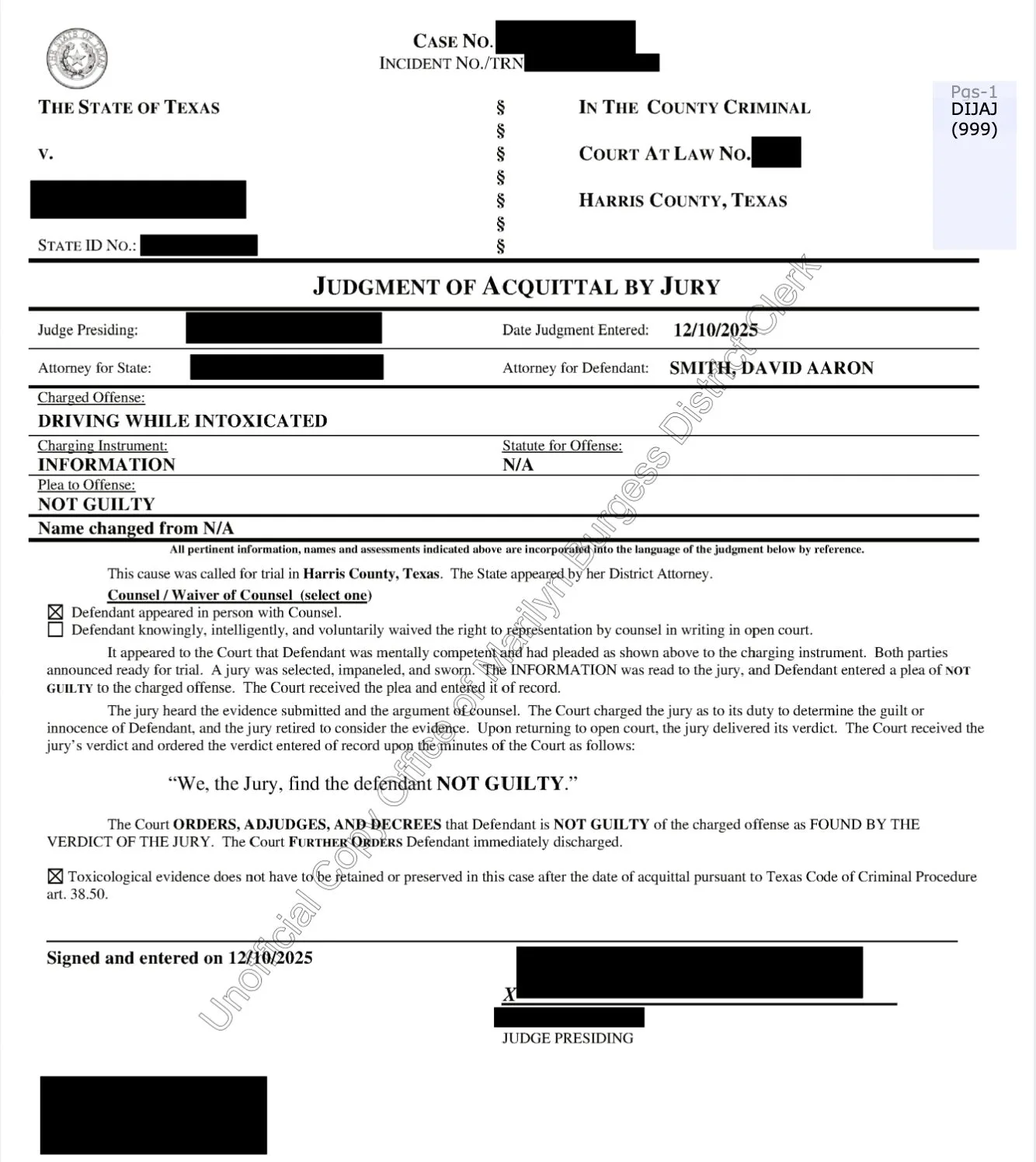
While refusal is your legal right, it comes with consequences. Requesting an independent test can provide additional evidence if needed. Many people incorrectly believe they can talk their way out of a DWI arrest. Instead, what you may be giving the government is even more evidence to use against you. If you have been asked to get out of your car for a DWI investigation, the officer generally has already decided you are going to jail. It is usually better to politely decline to: perform field sobriety tests, answer questions about amount and types of drinking, and refuse to provide a breath specimen. The officer can obtain a warrant for your blood, but the blood evidence may be suppressible. No blood + no breath test + no field sobriety tests + no information about amount and types of drinks can equal a strong, defensible case.
3. Consult an Attorney Immediately
If you’ve refused a test or been charged with DWI, an experienced criminal defense attorney near you can, given the unique facts to your case:
- Challenge the validity of the arrest.
- Review whether testing procedures were properly followed.
- Build a defense tailored to your case.
Implied Consent Laws in Texas: Your Rights During a DWI StopConclusion
Implied consent laws are a cornerstone of DWI enforcement, but they come with significant implications for individual rights and legal strategy. Understanding these laws can help you make informed decisions if faced with a DWI stop.
If you’ve been charged with DWI or faced consequences under implied consent laws, don’t navigate the legal system alone. Contact David Smith Law Firm, PLLC today for expert criminal law guidance and representation.
Discover more from David Smith Law Firm, PLLC
Subscribe to get the latest posts sent to your email.