No Intent to Distribute Defense
Fighting Back Against Elevated Drug Charges in Texas
In Texas, the difference between simple possession and possession with intent to distribute can mean the difference between probation and prison. Prosecutors often try to elevate drug charges by claiming you intended to sell, even when there’s no proof of an actual transaction.
But just because you were found with a certain amount of drugs doesn’t automatically mean you were trying to distribute. With the right legal strategy, your attorney can challenge that assumption—and possibly get your charges reduced or dismissed.
This post breaks down how prosecutors try to prove intent to distribute, what signs they rely on, and how a defense attorney can fight back when you’re being overcharged.
For every post in this series, scroll down to “Related Posts.”
1. What Does “Intent to Distribute” Actually Mean?
Under Texas law, “possession with intent to deliver” means the state believes you:
- Had drugs in your possession
- Intended to transfer or sell those drugs to another person
But unlike actual delivery, which requires proof of a sale, intent to distribute is based entirely on circumstantial evidence. That means the state is guessing what you were going to do—and those guesses can be wrong.
Intent charges raise a possession case from a lower felony to a much more serious one:
- Simple possession may be a state jail felony or lower
- Possession with intent can bump it to a third-, second-, or first-degree felony, depending on the amount and the drug
That’s why challenging the “intent” part of the charge is often the most important move in your defense.
2. How Prosecutors Try to Prove Intent to Distribute
The prosecution doesn’t need to catch you in the act of selling. Instead, they try to use the surrounding circumstances to argue you were preparing to distribute.
Here’s what they’ll typically rely on:
A. Amount of the Drug
Larger quantities (even for personal use) often raise suspicions. But quantity alone isn’t enough.
B. Packaging Materials
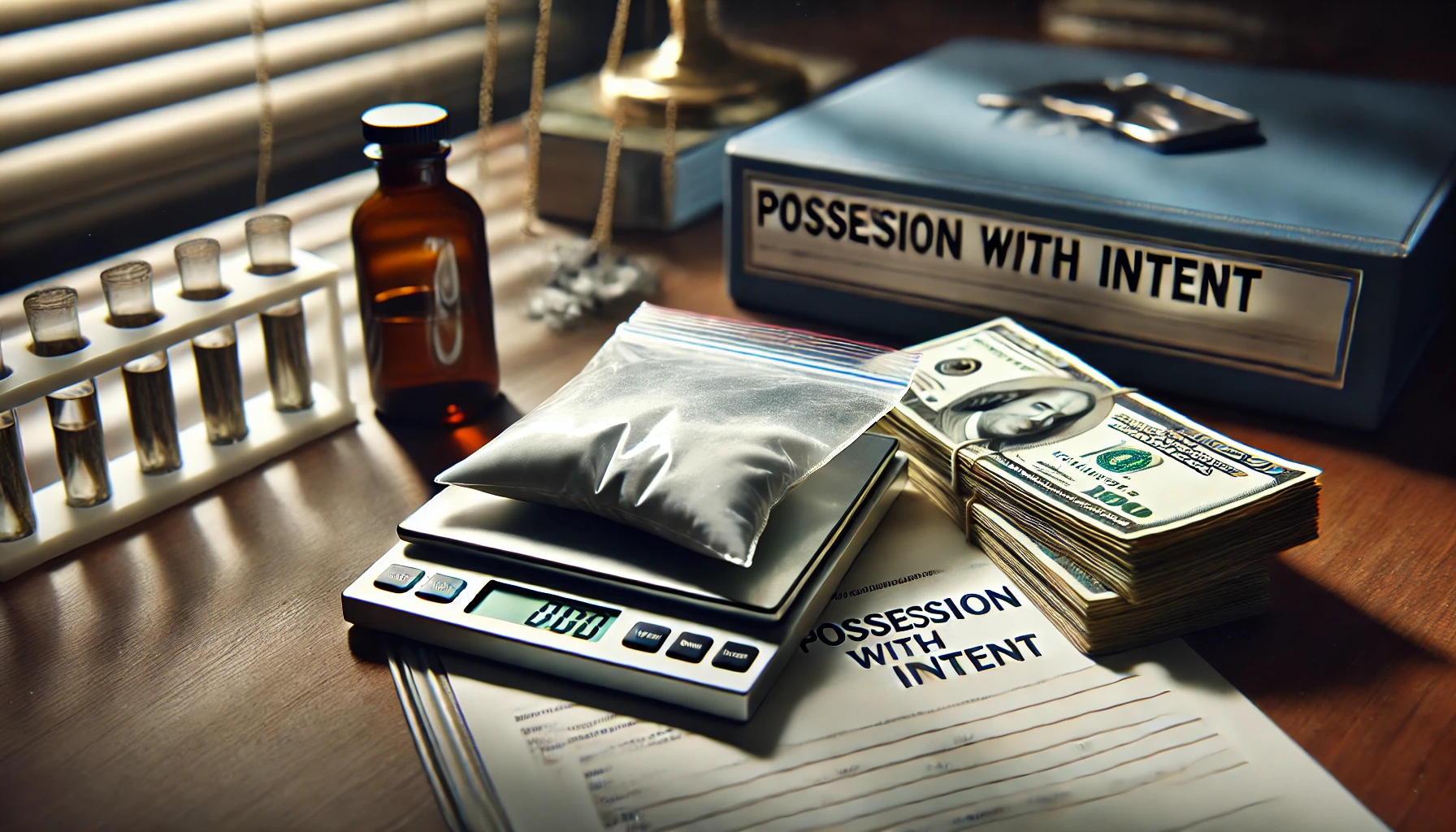
Things like baggies, vials, or vacuum sealers can be used to suggest you were portioning drugs for sale.
C. Scales or Measuring Devices
Possession of digital scales is often cited as evidence of intent, even though they’re legal to own.
D. Cash or Ledgers
Unexplained large amounts of cash, especially in small denominations, or notes showing debts or transactions, are used to imply a drug business.
E. Text Messages or Social Media
Digital messages about meeting up or “dropping something off” can be twisted to support distribution claims. (See also Can Police Search Your Phone in a Drug Case?)
F. Weapons or Security Systems
In some cases, firearms or advanced surveillance equipment are cited to suggest a “drug trafficking operation.”
But all of these indicators have alternative explanations—and your attorney’s job is to raise reasonable doubt.
3. Legal Strategies to Fight Back
If you’re facing a drug charge that includes an allegation of intent to distribute, here’s how an experienced Texas defense attorney can fight back:
A. Argue for Simple Possession
One of the most effective strategies is to concede the possession (when appropriate) but dispute the intent to distribute. This can lead to:
- A reduced charge
- Probation eligibility
- A diversion program or deferred adjudication
Your attorney may present:
- Lack of packaging or paraphernalia
- Personal use explanation (e.g., addiction, prescription)
- Absence of sale-related communications
B. Challenge the Evidence’s Interpretation
Many everyday items—like sandwich bags, scales, or cash—are not inherently criminal. Your lawyer can show:
- The items had a lawful purpose
- You have no prior drug distribution record
- The context doesn’t support intent
C. Suppress the Evidence
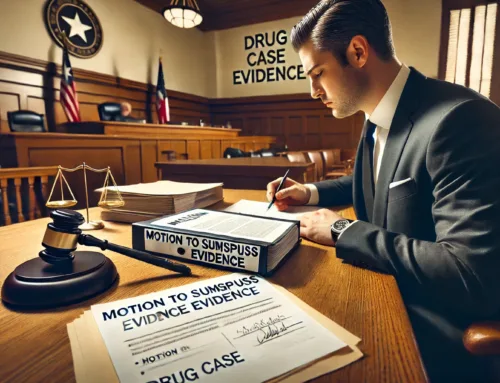
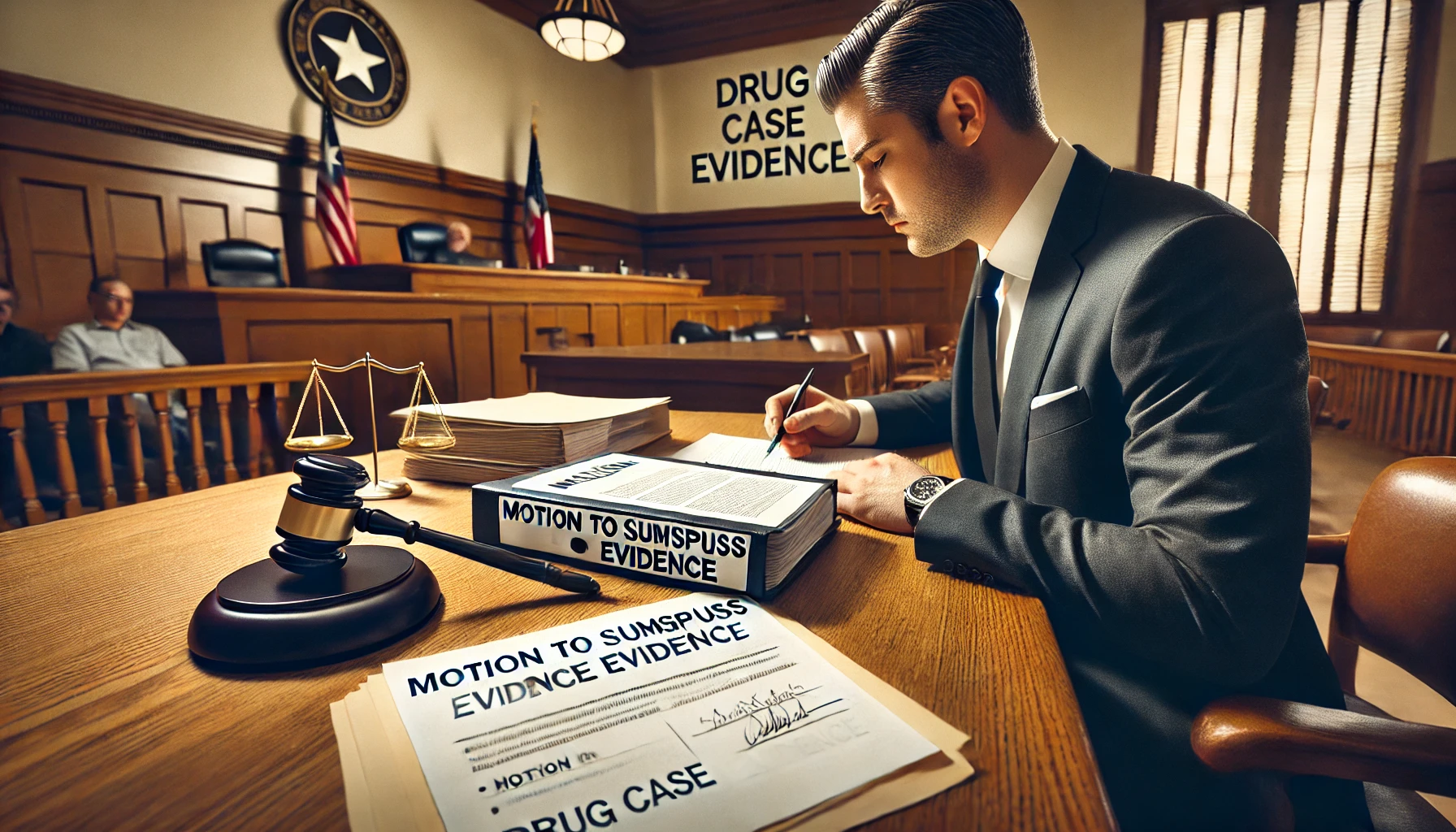
If the search that found the drugs or other items violated your constitutional rights, the evidence may be suppressed entirely. See Unlawful Search and Seizure as a Defense.
D. Attack the Lab Results
If the prosecution’s case is based on alleged quantity or purity of the drug, your attorney can challenge the lab report. In Challenging Lab Results and Drug Testing, we explain how errors in testing can dramatically affect your charges.
E. Show Lack of Control or Knowledge
If the drugs were found in a shared car, home, or space, you may have a Lack of Possession defense—meaning you didn’t actually control the drugs, let alone intend to sell them. See Lack of Possession: Actual vs. Constructive.
4. Don’t Let the State “Upgrade” Your Case Without a Fight
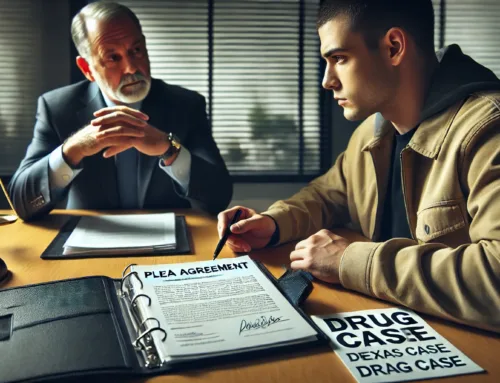
Prosecutors often file the most serious charge possible—then wait to see if you’ll take a plea out of fear. But a smart, experienced defense attorney knows how to:
- Analyze the evidence
- Push back on exaggerated claims
- Negotiate from a position of strength
- Take it to trial if necessary
If they can’t prove intent, they shouldn’t be charging you with it.
Conclusion: Intent to Distribute Isn’t a Guess—It’s a Legal Standard
Being near drugs doesn’t mean you had them. And having them doesn’t mean you were selling them.
If you’ve been charged with possession with intent to distribute in Texas, you may be facing an unfair enhancement—one that can drastically change the outcome of your case.
Discover more from David Smith Law Firm, PLLC
Subscribe to get the latest posts sent to your email.