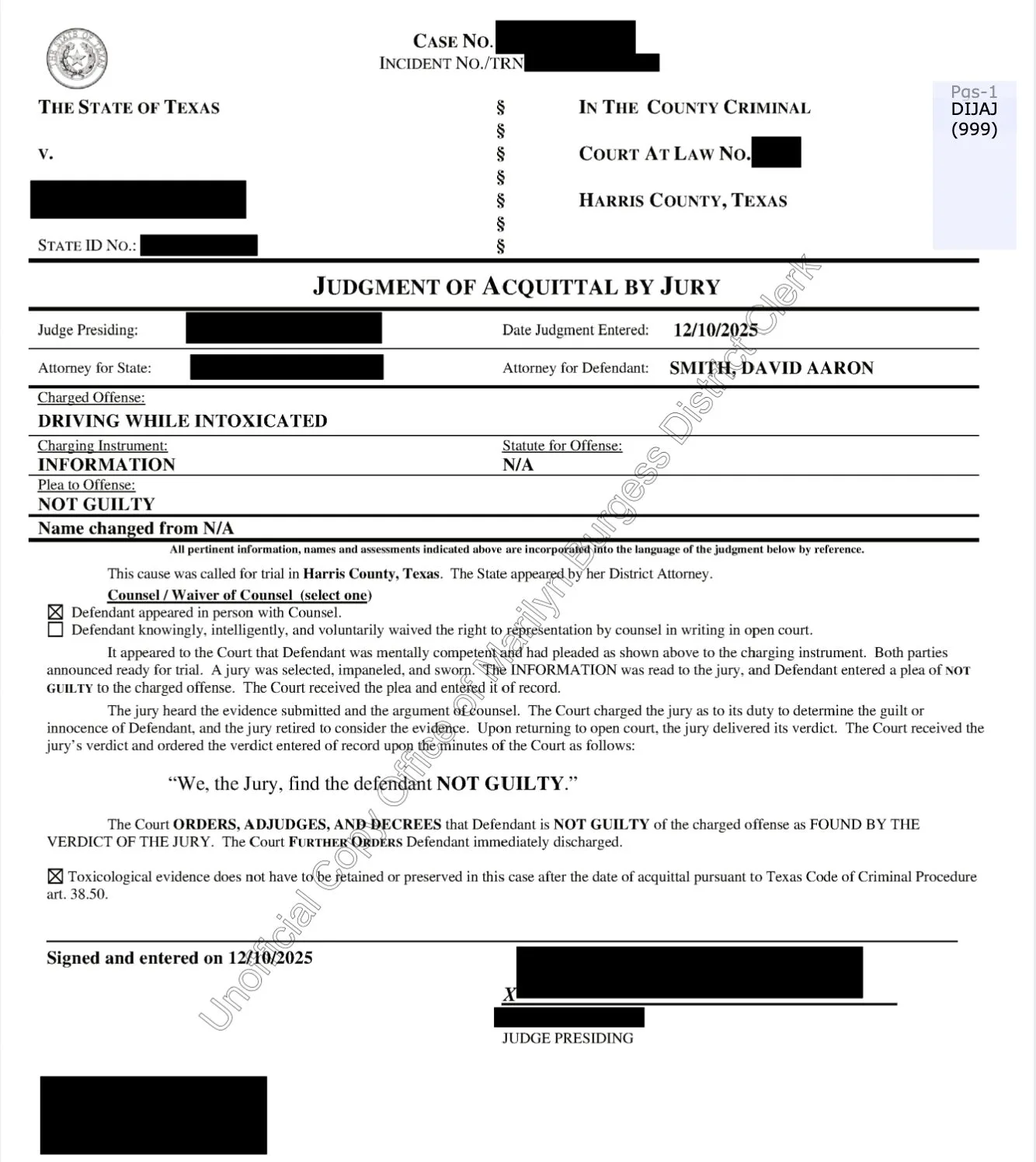
When you’re facing a Driving While Intoxicated (DWI) charge in Texas, the stakes are very high. A conviction can mean jail time, steep fines, loss of driving privileges, skyrocketing insurance rates, and even long-term damage to your career and reputation. For one Houston-area client, everything was on the line. After being accused of DWI, he knew that a guilty verdict could derail his future. Fortunately, after a three-day trial, the jury returned a Not Guilty verdict—thanks to meticulous preparation, expert testimony, and a defense strategy tailored to the facts.
This case is a powerful reminder that a strong defense matters. An alleged BAC of .136 was not taken as gospel. Here’s how it unfolded.
The High Stakes of a DWI Conviction in Texas
Texas takes DWI charges seriously. Even a first offense can carry:
- Up to 180 days in jail
- Fines up to $2,000
- Driver’s license suspension minimum of 90 days
- Mandatory alcohol education programs
- A permanent criminal record
- Up to 2 years of community supervision
For professionals, the consequences can be even more severe. Employers often view a DWI conviction as a red flag, and certain licenses or certifications can be jeopardized. Our client understood these risks.
The Trial: Three Days That Changed Everything
From the moment the case was set for trial, preparation became the cornerstone of success. A DWI trial is never simple—especially when the prosecution brings multiple witnesses and scientific evidence to the table. Here’s what happened during those three critical days:
Day 1: Jury Selection
The foundation of any trial is the jury. Selecting impartial jurors who can evaluate evidence fairly is essential. During voir dire, we carefully questioned potential jurors about their views on alcohol, law enforcement, and forensic science. The goal was to identify biases and ensure that the jury would weigh facts—not assumptions.
Day 2: State’s Case and Cross-Examination
The prosecution called four witnesses, including the arresting officer, the blood draw technician, the forensic toxicologist, and interpretive forensic toxicologist. Their testimony aimed to paint a picture of impairment. However, cross-examination revealed inconsistencies:
- Field Sobriety Tests: We highlighted flaws in how these tests were administered and explained how external factors—such as fatigue or improper administration—can affect performance. We showed inconsistencies in the reason our client was stopped. The police officer said the only reason our client was pulled over was for an expired registration. However, when confronted with the Event Report and the bodycam, it was apparent the officer was not seen typing on his mobile data terminal until AFTER he stopped our client. This issue led to a Code of Criminal Procedure Art. 38.23 jury instruction that several jurors hung their hats on. Our client did very well on the Field Sobriety Tests, behavior which was not consistent with the State’s argument he was allegedly over the per se legal limit in Texas.
- Observations of Behavior: Subjective impressions like “bloodshot eyes” or “slurred speech” were challenged with alternative non-intoxicated explanations.
- Blood Test Procedures: We scrutinized whether proper protocols were followed and if any inconsistencies or concerns appeared in the results.
By the end of the second day, the jury had heard a very different story than the one the state intended to tell. The State’s interpretive results toxicologist was called to “prove” anterograde extrapolation and that somehow, our client was intoxicated. The major problem with this form of extrapolation is that this analysis doesn’t factor in normal human consumption and absorption of alcohol, nor does the lab utilize an uncertainty measurement. Anterograde extrapolation ASSUMES all alcohol necessary to reach a certain BAC is consumed all at once AND absorbed all at once! Most people do not drink like this, nor does the human body absorb alcohol all at once. Ultimately, through cross examination, no witness called by the State could state what my client’s alleged BAC was at the time of driving.
Day 3: Expert Testimony and Closing Arguments
The defense presented testimony from Dr. Matthew Cheney, a respected forensic toxicologist and expert. Dr. Cheney explained the science behind blood alcohol concentration (BAC) and the limitations of testing methods. His analysis raised critical doubts about the reliability of the state’s evidence. Calibrator samples had what appeared to be carryover and/or contamination, no interference studies were performed, and unknown substances were further detected in the batch analyses. The State could not rule out the possibility that the results of ethanol testing were affected.
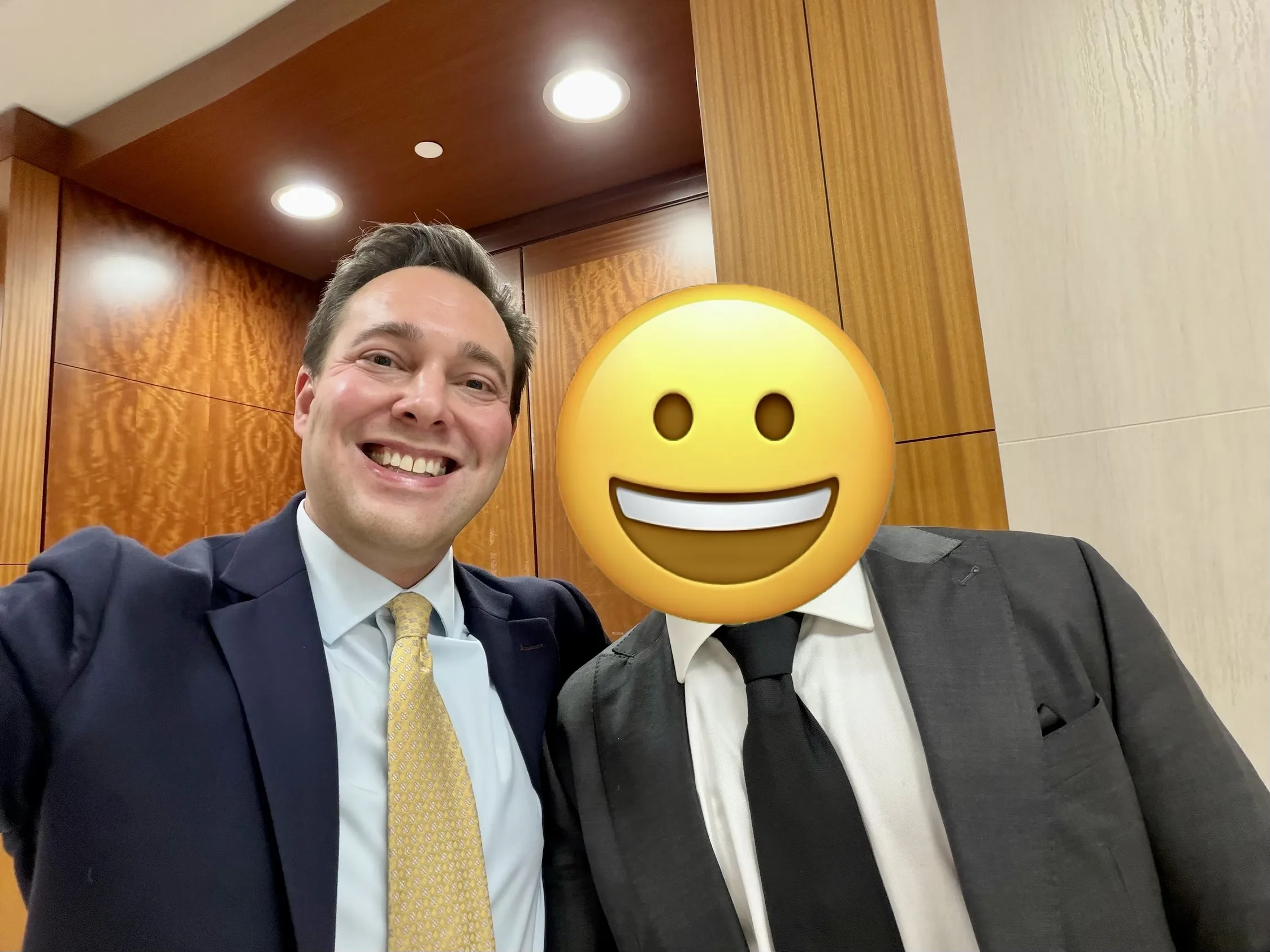
Finally, during closing arguments, we tied everything together: the inconsistencies in the state’s case, the scientific uncertainties, and the principle that guilt must be proven beyond any and all reasonable doubt. After deliberating for just two hours, the jury returned a verdict of Not Guilty. Our client, and the whole team at the David Smith Law Firm, greatly appreciates these jurors’ service and for following the law. They unanimously did not believe the state proved their case beyond a reasonable doubt.
Why This Verdict Matters
This case underscores several key truths about DWI defense in Texas:
- Preparation is Everything
A successful defense doesn’t happen by chance. It requires thorough investigation, strategic planning, and attention to detail. - Expert Testimony Can Change the Game
Jurors can rely heavily on scientific evidence. Having a qualified expert like Dr. Cheney explain complex concepts in plain language can dismantle the prosecution’s narrative. - Cross-Examination Reveals Weaknesses
Police officers and state witnesses are not infallible. Challenging their observations and methods can expose reasonable doubt. - Your Future Is Worth Fighting For
Our client faced life-changing consequences. By investing in a strong defense, our client protected their freedom, their career, and their reputation.
What Should You Do If You’re Charged With DWI in Houston?
If you’ve been arrested for DWI, time is critical. Evidence can disappear, memories fade, and deadlines for license hearings approach quickly. Here are steps you should take immediately:
- Do Not Assume Guilt
Many people believe that failing a breath or blood test means automatic conviction. That’s simply not true. Testing errors and procedural mistakes happen. - Avoid Discussing Your Case
Anything you say—to friends, family, or on social media—can be used against you. - Consult a Skilled DWI Defense Attorney
Navigating Texas DWI laws requires experience and knowledge. An attorney can evaluate your case, challenge evidence, and protect your rights.
Local Insight: Houston DWI Defense
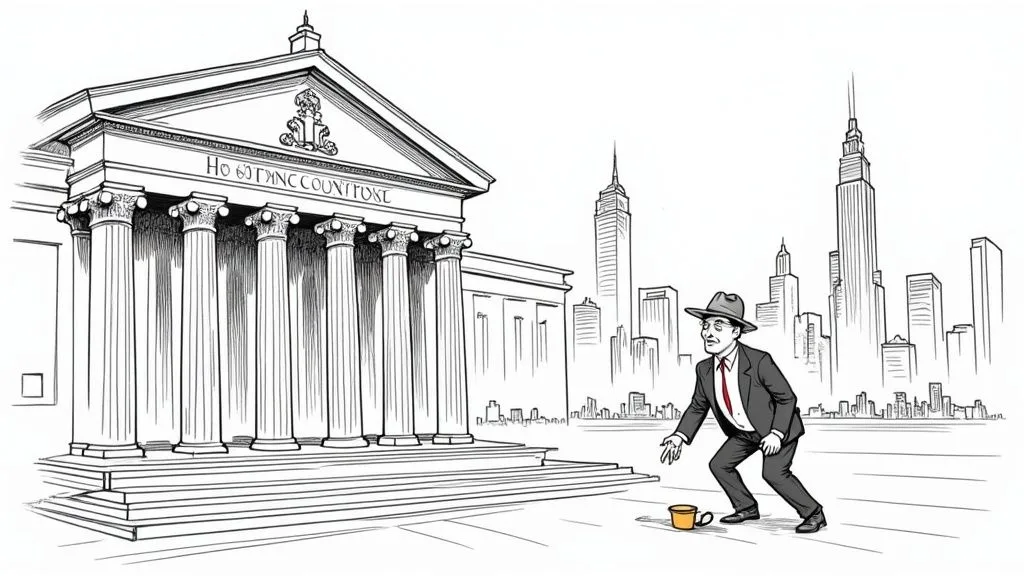
Houston is one of the busiest metropolitan areas in Texas, and law enforcement aggressively prosecutes DWI cases here. Courts in Harris County handle thousands of these cases annually. Prosecutors often rely on jurors’ assumptions about alcohol and impairment, which makes jury selection and expert testimony even more critical.
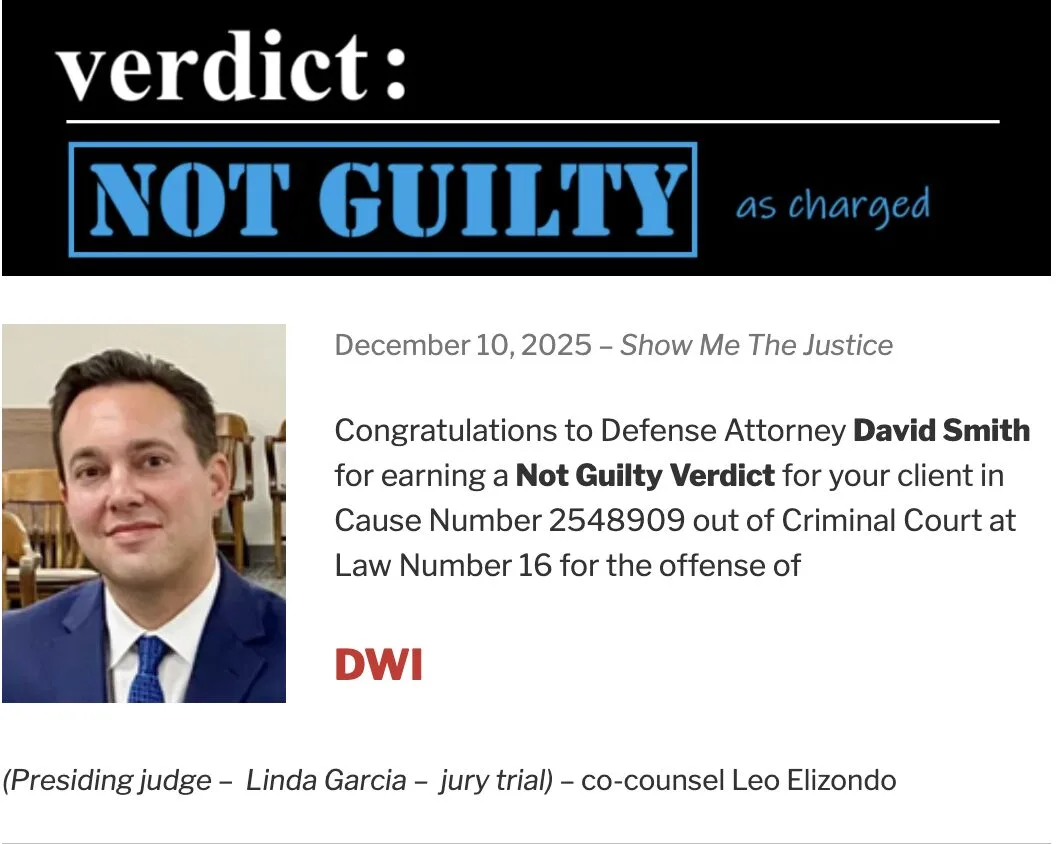
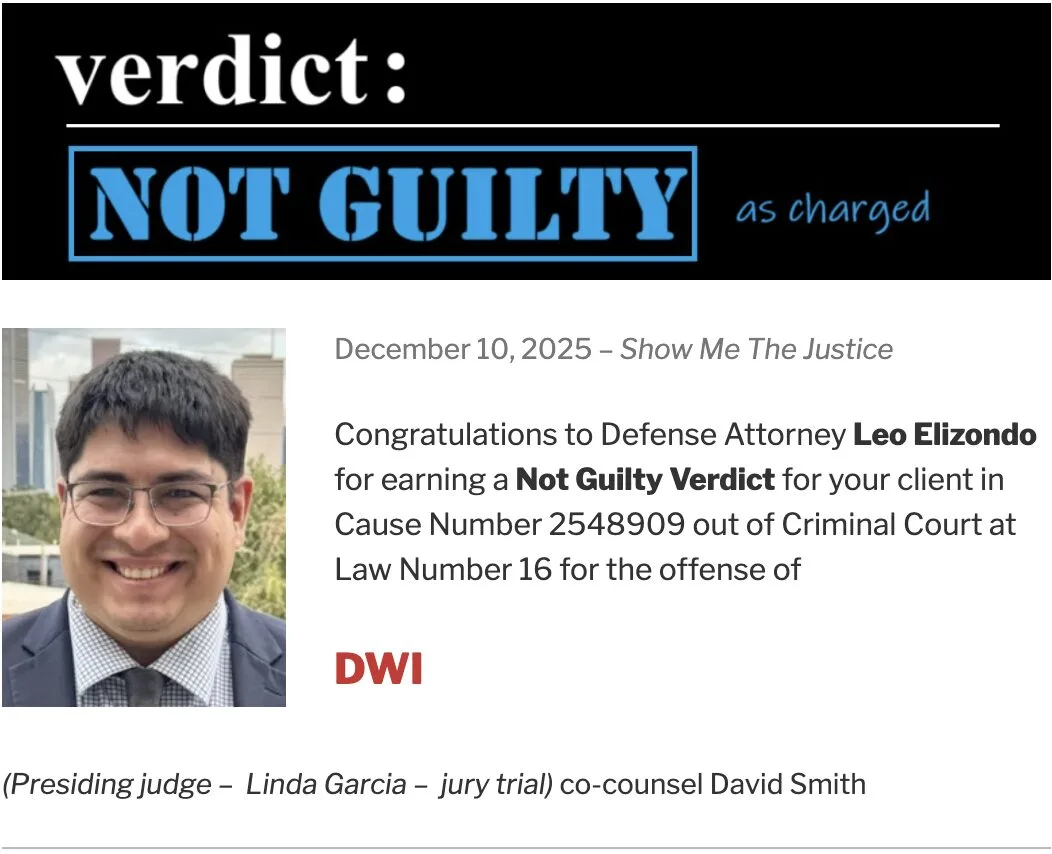
Not Guilty Featured in local lawyer blog, Show Me The Justice
This verdict was featured in the Show Me The Justice blog by Jeff Ross. We appreciate how Jeff shines the light on attorneys who fight hard for their respective clients every day at the Harris County Criminal Justice Center.
Final Thoughts
A DWI charge can feel overwhelming, but as this case demonstrates, a well-prepared defense can make all the difference. Our client walked out of the courtroom with their freedom intact because every aspect of the trial—from jury selection to expert testimony—was handled with precision. Just because the lab printed a result of .136 doesn’t mean the result was accurate or reliable–the jury would not convict a person with the issues we were able to raise that the State could not prove didn’t affect the results.
If you or someone you know is facing a DWI charge in Houston or the surrounding area, remember: you have options, and you have rights. The sooner you act, the stronger your defense can be.
Discover more from David Smith Law Firm, PLLC
Subscribe to get the latest posts sent to your email.