Online Impersonation and Fake Profiles in Texas
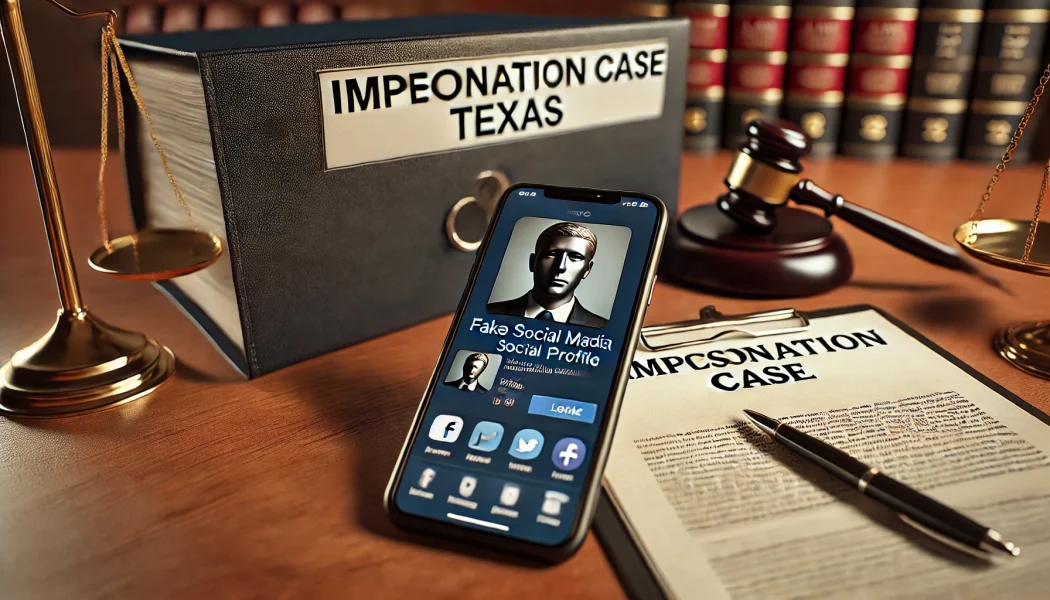
In a world driven by social media and digital messaging, the ability to create a fake account—or pretend to be someone else online—is just a few clicks away. But under Texas law, online impersonation isn’t just deceptive—it’s a criminal offense.
Creating a phony profile, impersonating someone on social media, or sending messages as another person can result in charges under Texas Penal Code § 33.07 – Online Impersonation. And depending on how the impersonation is used, you could be facing a felony conviction, prison time, and a permanent record.
In this guide, we’ll break down exactly what qualifies as online impersonation in Texas, how these cases are prosecuted, and what defenses may apply if you or someone you know is facing this charge.
What Is Online Impersonation Under Texas Law?
Texas Penal Code § 33.07 defines online impersonation in two primary ways:
Section 33.07(a): Fake Online Profiles
A person commits a criminal offense if they use the name or persona of another person to create a webpage or social media account on the internet without that person’s consent, with the intent to harm, defraud, intimidate, or threaten any person.
Section 33.07(b): Impersonation Through Electronic Messages
It’s also a crime to send an electronic message (email, text, DM, etc.) that references a name, domain, or phone number belonging to another person, without consent, and with the intent to cause harm or defraud.
Both forms of impersonation are treated seriously and can result in felony charges depending on the nature of the offense.
Examples of Online Impersonation
Here are some real-world scenarios that have resulted in arrests and prosecutions in Texas:
- Creating a fake Instagram profile of an ex to post humiliating content or contact their friends
- Sending fake text messages using a spoofed phone number to threaten or scam others
- Pretending to be a coworker in order to get access to internal information
- Using someone else’s email address to send false or inflammatory statements
- Making a fake dating profile of another person and directing people to contact them
Even parody accounts or “joke” profiles can lead to charges if they’re perceived as harmful or meant to intimidate.
How Prosecutors Prove Online Impersonation
To secure a conviction, prosecutors must prove that:
- You used someone else’s name, persona, phone number, or account
- You did not have their consent
- You acted with the intent to harm, defraud, intimidate, or threaten
This can be done through:
- Screenshots of fake profiles or messages
- IP logs and metadata from internet service providers
- Subpoenas to platforms like Meta (Facebook, Instagram), Google, or TikTok
- Testimony from the impersonated individual
- Devices or accounts linked to the creation of the content
These elements can overlap with harassment and stalking laws. For context, see Understanding Online Harassment Charges in Texas and What Qualifies as Cyberstalking in Texas?.
Penalties for Online Impersonation
For fake profile creation (Section 33.07(a))
- Third-Degree Felony
- 2 to 10 years in prison
- Up to $10,000 fine
For message-based impersonation (Section 33.07(b))
- Class A Misdemeanor
- Up to 1 year in county jail
- Up to $4,000 fine
Enhancements
If the impersonation was used in connection with law enforcement, a government official, or a child, or if it led to financial loss, physical harm, or a protective order violation, prosecutors may pursue additional charges.
You may also face:
- Protective orders
- Restitution to the victim
- Civil lawsuits for defamation, emotional distress, or invasion of privacy
- Loss of job, scholarships, or professional licenses
- Sex offender registration (in rare cases involving impersonation for sexual coercion)
What About “Just Joking” or “Free Speech”?
Intent matters. Prosecutors must show that you meant to harm, intimidate, defraud, or threaten. But don’t count on humor or parody as a guaranteed defense.
“I thought it was funny” or “it was just a prank” won’t hold up if the other person was harassed, frightened, or suffered real-world consequences.
However, if your speech was clearly satirical, political, or artistic, your attorney may argue it’s protected under the First Amendment—especially if the content is unlikely to cause confusion. You may be able to “beat the rap, but not the ride”.
This line can be blurry, and many cases hinge on the exact wording and context of the communication.
Defenses to Online Impersonation Charges
1. Lack of Criminal Intent
You didn’t create the profile or send the message with harmful intent—it may have been for humor, art, or private discussion.
2. Consent or Shared Access
The alleged victim may have given you permission to post on their behalf—or you shared the account or phone number.
3. Mistaken Identity or Hacked Account
You weren’t the one who created or sent the content. Your device or account may have been hacked or spoofed.
4. Constitutionally Protected Expression
The content is clearly parody, political commentary, or not intended to deceive or intimidate.
5. No Actual Harm
Even if the profile existed, if there was no damage, threat, or deception, prosecutors may have a harder time proving their case.
Digital forensic experts may be called in to analyze metadata, IP logs, and device usage to support your defense.
What To Do If You’re Accused
If you’ve been contacted by police, served a warrant, or found yourself named in a protective order over online behavior:
- Do not message the alleged complaining witness again
- Do not delete posts, profiles, or messages
- Do not talk to police without a lawyer present
- Preserve your side of the communication (screenshots, metadata, and logs)
- Contact a criminal defense attorney immediately
The longer you wait, the more time law enforcement has to build a case against you.
Final Thought: The Internet Is Public—And the Law Is Watching
What seems like a private joke, creative expression, or an emotional reaction online can quickly spiral into a criminal case in Texas if it involves impersonating another person.
But just because you’re accused doesn’t mean you’re guilty.
David Smith Law Firm, PLLC defends clients in Houston and across Texas against cybercrime charges involving online impersonation, harassment, stalking, and identity-based fraud. David is board-certified in criminal law and a former prosecutor with deep experience in challenging digital evidence and restoring reputations.
**Call (713) 769-5000 to schedule your confidential consultation. The sooner you call, the more options we may have to protect your rights—and your future.
Discover more from David Smith Law Firm, PLLC
Subscribe to get the latest posts sent to your email.