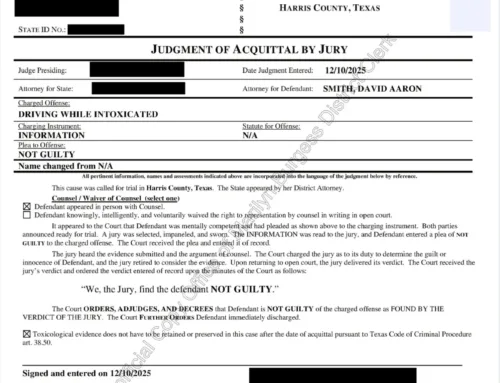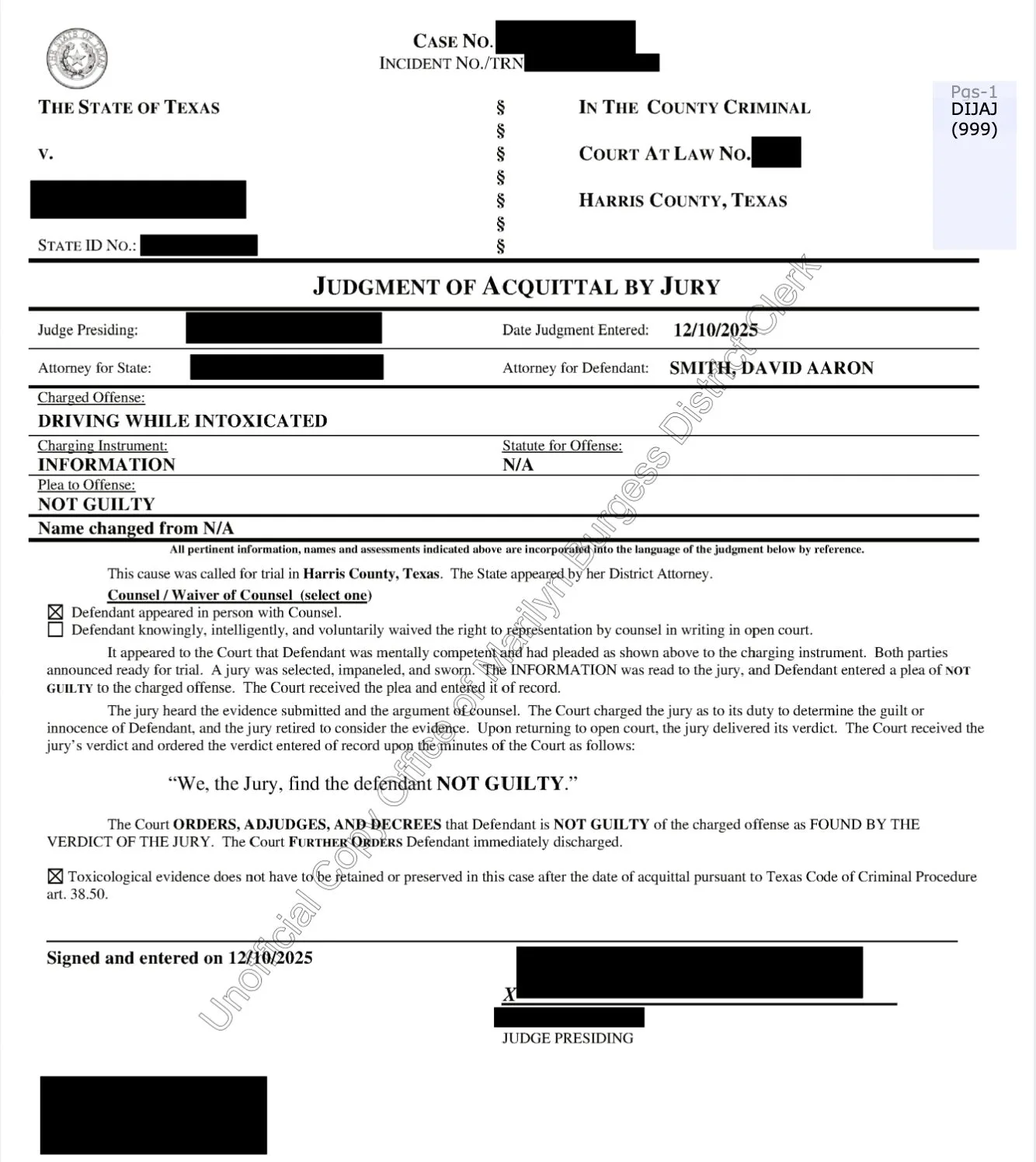
On January 3, 2026, attorneys David Smith and Leo Elizondo of David Smith Law Firm, PLLC presented at Nerd Nite at Grand Prize Bar, a popular Houston nightlife venue, with an in-depth presentation on Driving While Intoxicated (DWI) laws in Texas and the rights individuals have when stopped by police. This event was more than just a legal discussion—it was a vital resource for anyone navigating Houston’s vibrant social scene, where nightlife and law enforcement often intersect.
Why This Topic Matters in Houston
Houston is known for its bustling nightlife—from Midtown bars to the eclectic spots in Montrose like Grand Prize Bar. With so many entertainment options, law enforcement in Harris County actively monitors for impaired driving. According to the Texas Department of Transportation, thousands of DWI arrests occur annually in Harris County, making it one of the highest-ranking counties for DWI enforcement in the state.
Understanding Texas DWI laws and your constitutional rights is not optional—it’s essential. A single mistake can lead to severe consequences, including license suspension, jail time, and a permanent criminal record.
What Constitutes a DWI Under Texas Law?
Under Texas Penal Code §49.04, a person commits the offense of Driving While Intoxicated if they operate a motor vehicle in a public place while intoxicated. Texas law defines “intoxicated” in two ways:
- Blood Alcohol Concentration (BAC) of 0.08% or higher, or
- Loss of normal mental or physical faculties due to alcohol, drugs, or a combination of substances.
This means you can be charged with a DWI even if your BAC is below 0.08%, provided the officer believes you lack normal faculties.
The Legal Burden of Proof in a DWI Case
David Smith and Leo Elizondo emphasized the burden of proof in DWI cases. The State must prove beyond a reasonable doubt that:
- You were operating a motor vehicle,
- In a public place,
- While intoxicated.
This standard is high, but prosecutors often rely on field sobriety tests, breathalyzer results, and officer observations to meet it. Understanding how these tests work—and their limitations—is critical for building a strong defense.
Texas-Specific Penalties for DWI
The penalties for a DWI conviction in Texas are severe and escalate with each offense:
- First Offense:
- Fine up to $2,000
- Jail time from 3 to 180 days
- License suspension up to 1 year
(Texas Penal Code §49.04)
- Second Offense:
- Fine up to $4,000
- Jail time from 30 days to 1 year
- License suspension up to 2 years
- Third Offense:
- Felony charge
- Fine up to $10,000
- Prison time from 2 to 10 years
(Texas Penal Code §49.09)
Additional penalties include mandatory ignition interlock devices, alcohol education programs, and surcharges that can cost thousands of dollars.
Common Scenarios Leading to DWI Arrests in Houston
David and Leo shared real-world examples of how DWI arrests often occur in Harris County:
- Leaving Houston Nightlife Hotspots: Bars in Midtown, Montrose, and Washington Avenue are heavily patrolled. A minor traffic violation can lead to a stop and sobriety tests.
- Accidents on I-45 or US-59: Any collision can trigger a DWI investigation, even if alcohol wasn’t the primary cause.
- Holiday Checkpoints: While Texas does not use sobriety checkpoints, holiday weekends often see increased patrols and arrests.
Knowing these scenarios can help drivers make informed decisions and avoid costly mistakes.
Your Rights During a Police Stop
One of the most empowering parts of the Nerd Nite presentation was the discussion on constitutional rights. When stopped by police in Houston:
- You have the right to remain silent. You are not required to answer questions about where you’ve been or what you’ve had to drink.
- You can refuse field sobriety tests. These tests are subjective and often used to justify an arrest.
- You can request an attorney immediately after an arrest. This is critical to protecting your rights and building a strong defense.
David and Leo stressed that exercising these rights respectfully can make a significant difference in your case.
Harris County Courts and the DWI Process
If you are arrested for DWI in Houston, your case will likely be handled in Harris County Criminal Courts at Law. These courts process thousands of misdemeanor cases annually, including first and second DWI offenses. Felony DWI cases are heard in Harris County District Courts.
The process typically involves:
- Arraignment: Your first court appearance, where charges are read.
- Pretrial Hearings: Motions to suppress evidence or negotiate plea deals.
- Trial: If no agreement is reached, your case goes before a judge or jury.
Navigating this process without experienced legal counsel can be overwhelming and risky.
Why Immediate Action Is Critical
A DWI arrest in Houston triggers strict deadlines. For example, you have only 15 days from the date of arrest to request an Administrative License Revocation (ALR) hearing to fight license suspension. Missing this deadline means automatic suspension—even if your criminal case is later dismissed.
Final Thoughts: Protect Your Future
The Nerd Nite presentation wasn’t just a legal lecture—it was a wake-up call for anyone who enjoys Houston’s nightlife or drives in Harris County. Texas DWI laws are complex, and the consequences are life-changing. If you or someone you know is facing a DWI charge, time is critical. The sooner you seek legal counsel, the better your chances of protecting your rights and your future.
Related Resources
- https://statutes.capitol.texas.gov/Docs/PE/htm/PE.49.htm
- https://statutes.capitol.texas.gov/Docs/PE/htm/PE.49.htm
- https://www.hcdistrictclerk.com/
Discover more from David Smith Law Firm, PLLC
Subscribe to get the latest posts sent to your email.