
Reckless Driving & Other Plea Options
Facing a DWI charge can feel overwhelming, but understanding your options can make a big difference. One possibility you may not know about is negotiating an amended or lesser charge—often called a “reckless driving” or other plea alternatives. Let’s break it all down.
What Is a “Reckless Driving”?
Apotential plea deal where a DWI charge is amended to a reckless driving charge. While this isn’t an option in every county or every case, it can be a favorable alternative with less severe penalties.
Why Would Someone Pursue a Lesser or Amended Charge Plea?
Reducing a DWI to a lesser or amended charge has several advantages:
- Lighter Penalties: Lower fines, shorter probation periods, and fewer long-term consequences.
- Avoiding a DWI Label: A reckless driving charge might not carry the same stigma as a DWI in job or housing applications, and it is not enhanceable like a DWI charge is.
- Easier Insurance Impact: While still a negative, reckless driving is typically less damaging to insurance rates than a DWI.
What Are Other Lesser or Amended Charge Plea Options?
If reckless driving isn’t an option in your case, other plea deals might still be on the table. These include:
- Obstruction of a Highway:
- Some Texas courts allow this amended charge, which avoids a DWI label altogether.
- Penalties are similar to a misdemeanor DWI-1st but less severe than a DWI conviction.
- Deferred Adjudication:
- This option involves pleading guilty but deferring the conviction.
- Completing probation successfully can allow you to get your case non-disclosed.
- Reckless Driving:
- A broader charge that doesn’t explicitly involve alcohol or drugs. It is a hybrid misdemeanor, meaning it does not fit into the category of Class A, B, or C misdemeanor. In Texas, this offense is from the Transportation Code in Sec. 545.401 and not the Penal Code.
- Public Intoxication (PI):
- In rare cases, a DWI charge might be reduced to a public intoxication offense, especially if the situation didn’t involve actual driving. This is generally a Class C misdemeanor.
When Are Lesser or Amended Charge Pleas Applicable?
Negotiating a lesser plea depends on several factors, including:
- First-Time Offenders: Judges and prosecutors may be more lenient for those with a clean record.
- No Aggravating Circumstances: Cases without accidents, injuries, or very high BAC levels are more likely to qualify.
- Effective Legal Representation: A skilled criminal defense attorney near you can advocate for a dismissal or reduced charges.
How to Pursue a Lesser or Amended Charge Plea
- Hire a Defense Attorney:
- A lawyer who specializes in criminal defense understands how to negotiate with prosecutors and present your case effectively.
- Show Mitigating Factors:
- Evidence of rehabilitation, clean records, or willingness to take responsibility can sway the court.
- Understand Your Case:
- Your attorney will analyze evidence, police conduct, and the strength of the prosecution’s case to determine the best strategy.
Negotiate Reckless Driving & Other DWI Plea AlternativesKey Takeaways
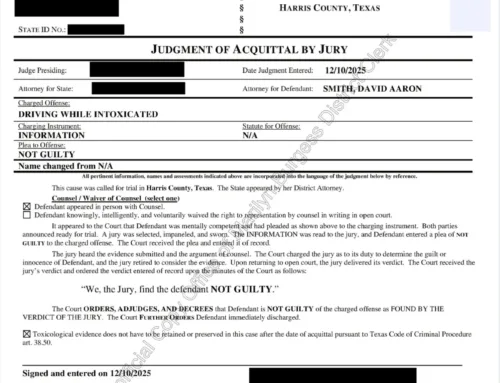
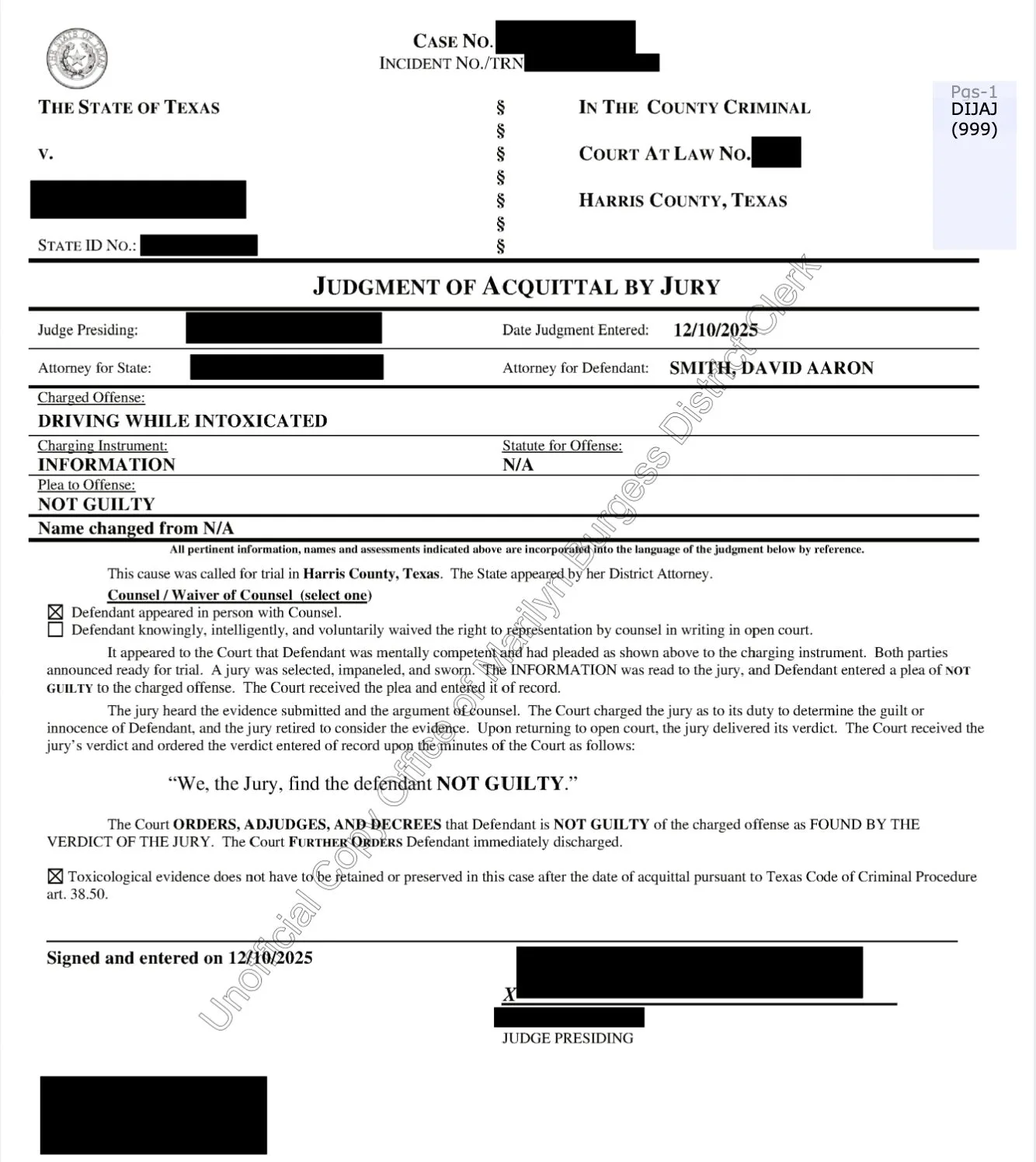
Facing a DWI charge doesn’t always mean a conviction is inevitable. Exploring lesser or amended charge plea options, like a reckless or obstruction of a highway, can significantly reduce the impact on your life. Pursuing a trial and “not guilty” is also an option.
Discover more from David Smith Law Firm, PLLC
Subscribe to get the latest posts sent to your email.