Restitution and Fines in Texas Drug Crime Cases
When and How Financial Penalties Are Applied
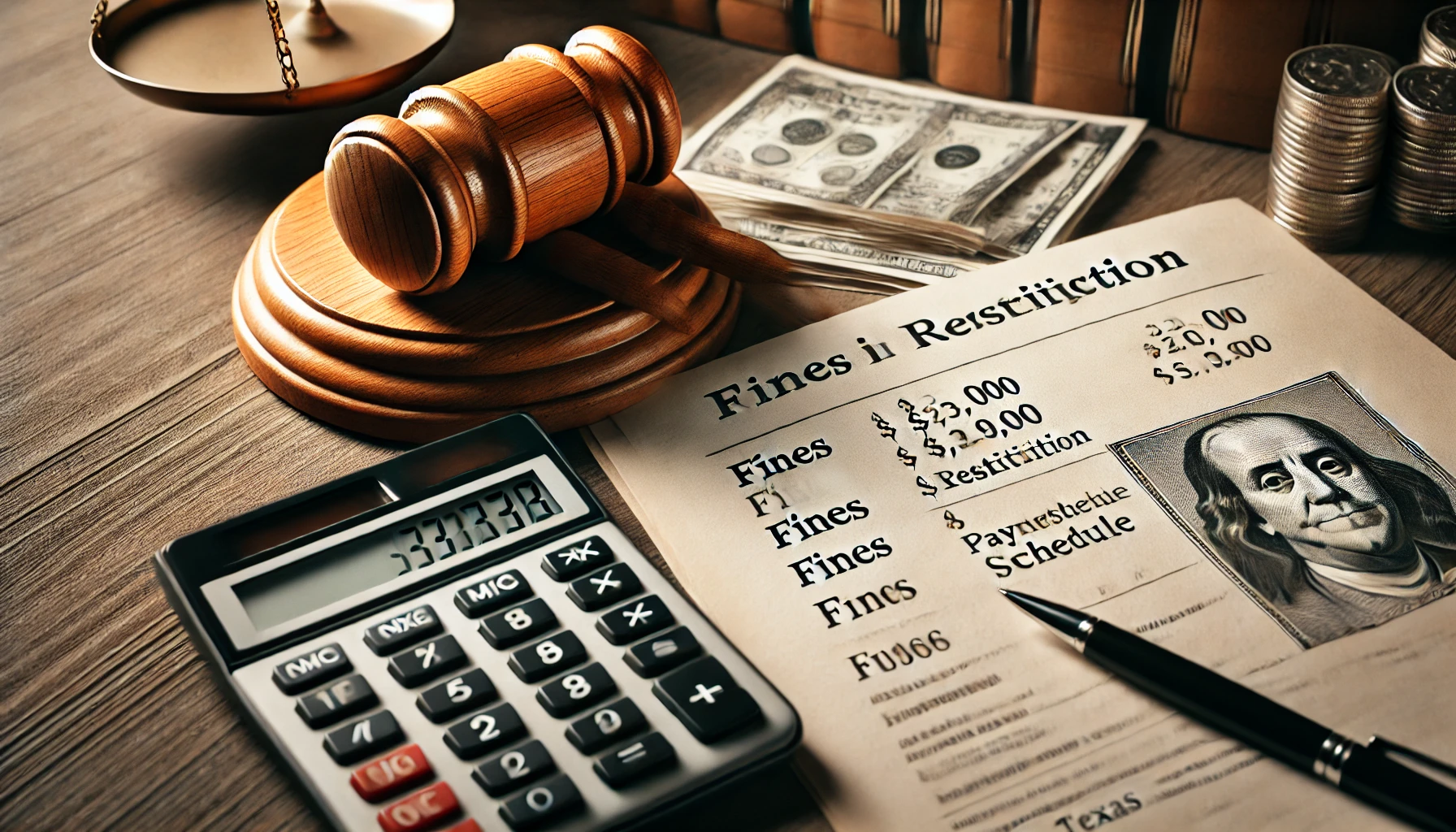
Facing a drug crime conviction in Texas entails more than just potential jail time; it also brings significant financial consequences. Understanding the distinctions and applications of fines and restitution is crucial for anyone navigating the state’s criminal justice system.
Distinguishing Fines from Restitution
While both fines and restitution involve monetary payments imposed by the court, they serve different purposes:
- Fines: Monetary penalties paid to the government as punishment for the offense.
- Restitution: Payments made directly to victims to compensate for losses resulting from the crime.
Understanding this distinction is vital, as it affects both the legal strategy and financial planning of the defendant.
Fines in Texas Drug Crime Convictions
The amount of fines for drug offenses in Texas varies based on the severity of the crime:
- Class B Misdemeanor: Up to $2,000 in fines.
- Class A Misdemeanor: Up to $4,000 in fines.
- State Jail Felony or Higher: Up to $10,000 in fines, or more.
These fines are in addition to any other penalties, such as imprisonment or probation.
Restitution in Texas Drug Crime Cases
Restitution is designed to compensate victims for actual losses incurred due to the defendant’s actions. In drug-related cases, restitution might cover:
- Property Damage: Costs to repair or replace property damaged during the commission of the crime.
- Medical Expenses: Bills resulting from injuries caused by the defendant’s actions.
- Lost Wages: Compensation for time the victim had to take off work due to the incident.
The court determines the restitution amount based on evidence presented during sentencing.
Determining Factors for Financial Penalties
Several factors influence the imposition and amount of fines and restitution:
- Severity of the Offense: More serious offenses typically result in higher fines.
- Victim’s Losses: Restitution amounts are directly tied to the quantifiable losses experienced by the victim.
- Defendant’s Ability to Pay: Courts may consider the defendant’s financial situation when setting payment schedules.
Payment and Enforcement
Upon sentencing, the court issues an order detailing the fines and restitution:
- Immediate Payment: Defendants are often required to pay fines and restitution immediately unless the court approves a payment plan.
- Payment Plans: For substantial amounts, courts may establish installment plans, considering the defendant’s financial capacity.
- Enforcement: Failure to comply can lead to additional legal consequences, including potential revocation of probation or additional charges.
When and How Financial Penalties Apply in Texas Drug Crime CasesConclusion
Navigating the financial penalties associated with drug crime convictions in Texas requires a clear understanding of both fines and restitution. Recognizing their distinctions, how they’re determined, and the importance of compliance is essential for anyone facing such charges.
Discover more from David Smith Law Firm, PLLC
Subscribe to get the latest posts sent to your email.