Social media and texting are part of everyday life for Texas students—but what happens when that online chatter turns cruel, obsessive, or threatening? What starts as a rumor, a meme, or a string of texts can quickly spiral into criminal consequences, not just disciplinary action. In Texas, cyberbullying is not just a school policy issue—it can lead to arrest, juvenile court, or even adult criminal charges.
For students, parents, and educators, understanding when cyberbullying crosses the line from “mean behavior” to criminal conduct is essential. This post will break down how Texas law defines cyberbullying, what behaviors schools must report, how juvenile justice comes into play, and what you can do if your child—or your student—is under investigation.
What Counts as Cyberbullying in Texas?
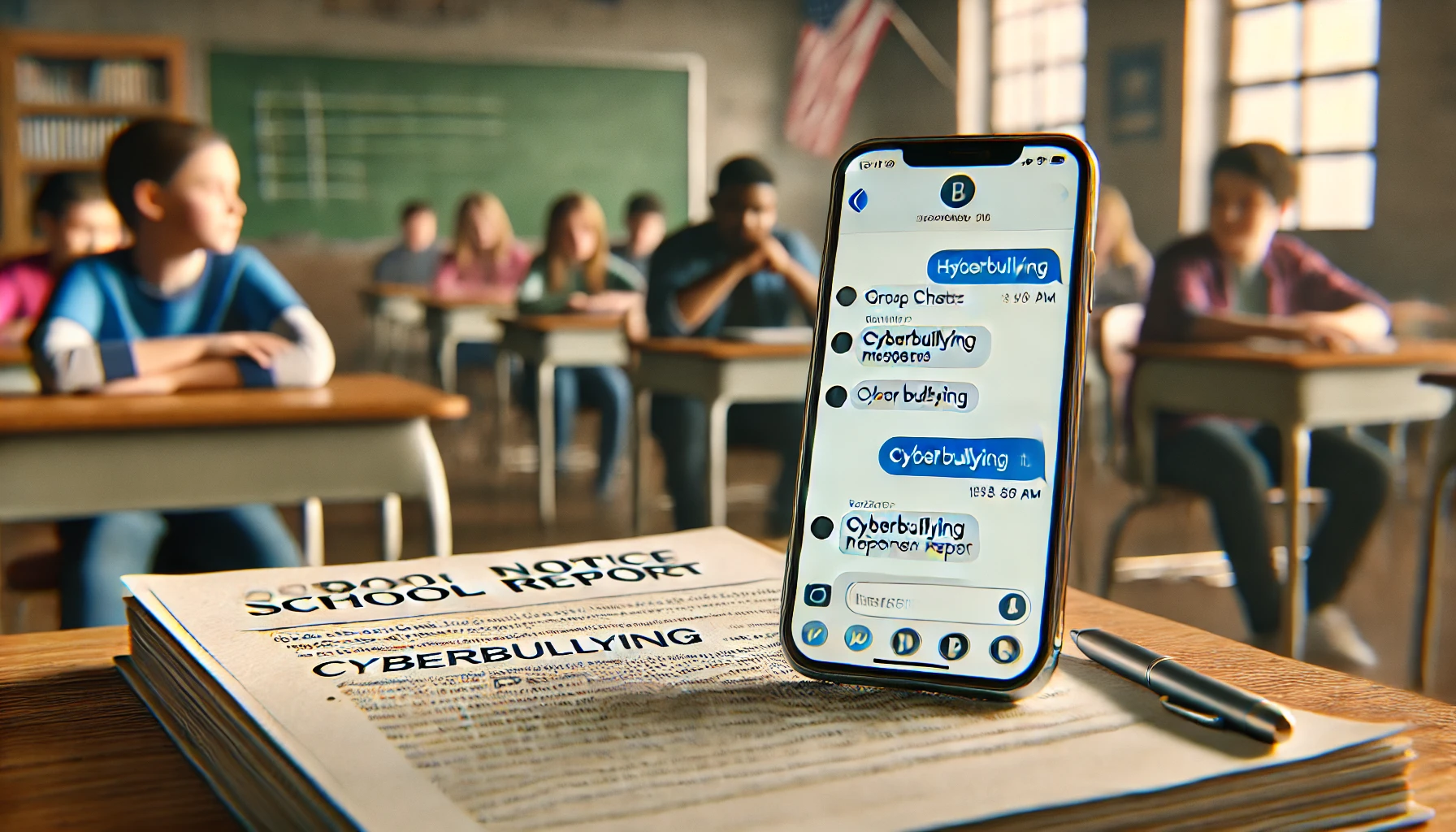
The Texas Education Code defines cyberbullying as “bullying that is done through the use of electronic communication devices,” including:
- Text messages
- Emails
- Social media posts and DMs
- Online forums or gaming platforms
- Group chats or anonymous apps
But not every cruel message or rude comment is a crime. Cyberbullying becomes criminal when it meets the standards of harassment, stalking, or threats under the Texas Penal Code.
This is where school policy and law intersect.
Applicable Criminal Statutes Include:
- § 42.07 – Harassment
- § 42.072 – Stalking
- § 21.16 – Unlawful Disclosure of Intimate Visual Material (Revenge Porn)
- § 22.01 – Assault by Threat
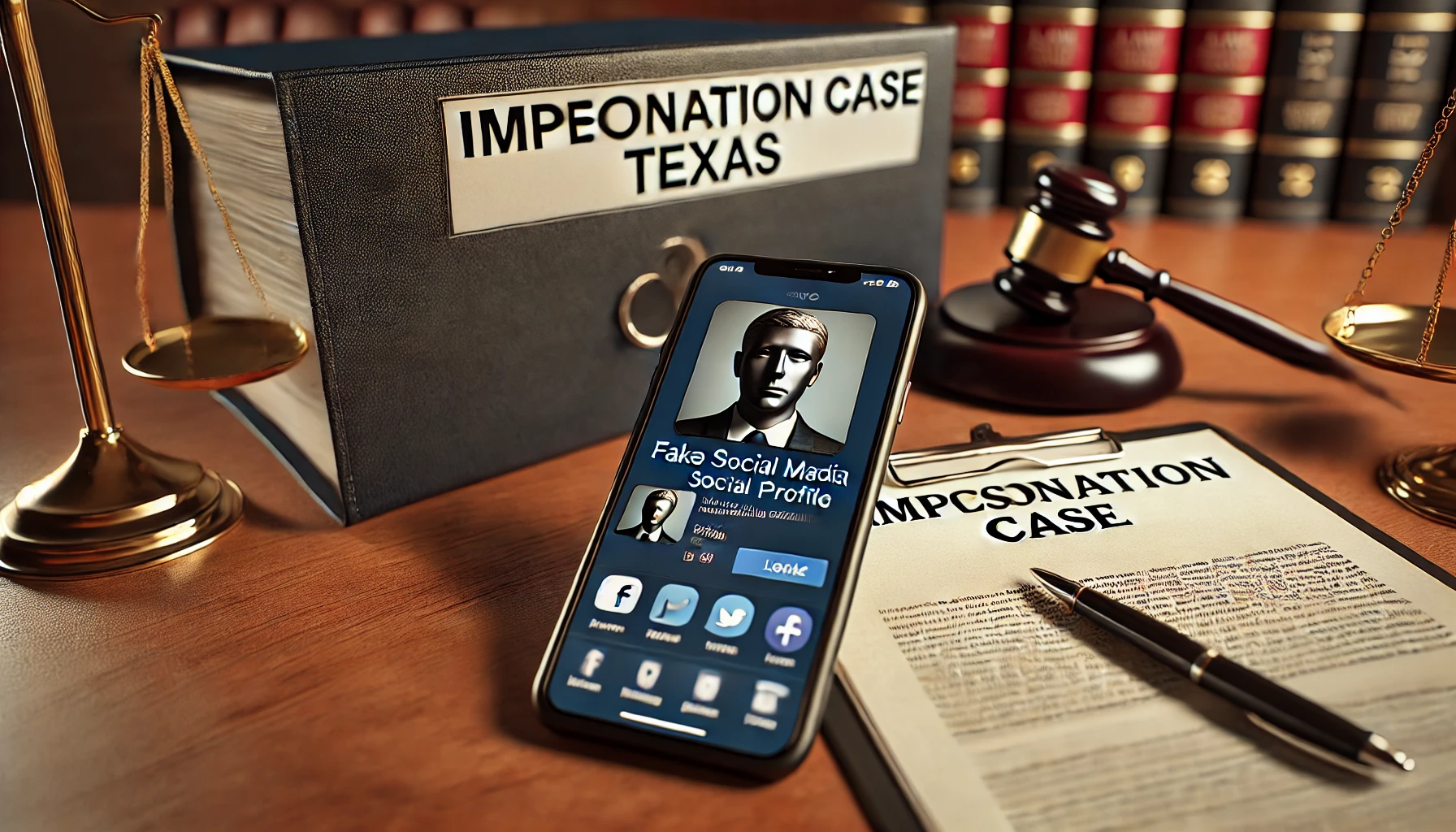
- § 33.07 – Online Impersonation
And under David’s Law (Texas Senate Bill 179), passed in 2017, schools are required to address cyberbullying that:
- Occurs on or off campus
- Is delivered via private or public platforms
- Is reasonably likely to cause emotional distress
- Interferes with the educational environment
See Texas Education Code 37.0832
When Cyberbullying Becomes a Criminal Offense
A student’s online behavior may become a criminal matter if it involves:
- Repeated communication intended to harass or torment another student
- Threats of violence, including school shooting threats
- Sharing explicit or intimate images of another person without consent
- Doxing or posting personal information with malicious intent
- Creating fake profiles to defame or impersonate someone
- Encouraging or contributing to self-harm or suicide
One of the most tragic applications of David’s Law was to prevent bullying that leads to youth suicide. In such cases, students have been arrested and charged when their conduct was tied to repeated, targeted digital abuse.
See What Qualifies as Cyberstalking in Texas? for more on repeated digital conduct that triggers felony prosecution.
Penalties for Student Cyberbullying in Texas
If a student is arrested for cyberbullying, they may face:
Juvenile Court (Age 10–16)
- Detention
- Probation
- Counseling or diversion programs
- Expulsion or transfer to an alternative school
- A juvenile record (which may or may not be sealed later)
Adult Charges (Age 17 and up)
- Class B or Class A misdemeanor for harassment
- Third-degree felony for stalking or revenge porn
- State jail felony for unlawful access or impersonation
- Jail or prison time, fines, and a permanent criminal record
Whether the student is tried as a juvenile or adult depends on the offense, the age of the accused, and the circumstances. Some 16-year-olds who are certified as adults for criminal prosecution purposes, have faced adult felony charges for online conduct, especially if it involved threats or sensitive images.
The Role of Schools and Educators
Under Texas Education Code § 37.0832, every public school district must:
- Adopt a cyberbullying policy
- Investigate credible allegations of digital harassment
- Report serious threats to law enforcement
- Notify the parents of both the victim and the accused
- Take disciplinary action, including suspension or DAEP (disciplinary alternative education placement)
If you’re a teacher, counselor, or administrator, failing to report a known or suspected case of cyberbullying can expose your district to liability—and may delay the student’s access to legal protection or services.
What Parents Need to Know
If your child is accused of cyberbullying:
- Do not let them delete messages or accounts—this may be considered tampering with evidence
- Avoid confronting the alleged victim or their parents—even indirect communication can be used against you
- Don’t assume the school will handle it “internally”—criminal charges can be filed even if school discipline is already underway
- Consult with a criminal defense attorney who understands juvenile law and cybercrime
Your child’s education, future, and freedom may be at risk, even if the conduct was impulsive or meant as a joke.
See How to Respond If You’re Accused of Cyberbullying for actionable steps and defense strategy.
Common Defenses to Student Cyberbullying Charges
At David Smith Law Firm, PLLC, we represent students and families facing criminal investigations for online conduct. Common legal defenses include:
- Lack of criminal intent
- Mutual online conflict or banter
- Mistaken identity or fake accounts
- Absence of threats or emotional harm
- Violation of the student’s constitutional rights during the investigation
We also work to resolve these cases without formal charges by presenting mitigating evidence, requesting diversion programs, or negotiating with school attorneys and prosecutors early.
Can a Cyberbullying Record Be Expunged?
Juvenile records can be sealed in many cases, especially if:
- The student completed their probation successfully
- They were not charged with a violent or sex-based felony
- Enough time has passed since the resolution of the case
Adult criminal records for cyber harassment or stalking are much harder to remove. Many young people learn too late that even a misdemeanor conviction can affect:
- College admissions
- Scholarships
- Financial aid
- Internships
- Employment
- Military service
Early intervention is critical.
Final Thought: Today’s Post Can Become Tomorrow’s Criminal Case
Cyberbullying isn’t just an emotional issue—it’s a legal one. If you’re a parent, student, or educator navigating a potential criminal investigation, don’t assume a school suspension is the end of it. The law in Texas is clear: digital harassment can and will be prosecuted if it crosses certain lines.
But there’s hope—and there are strategies.
David Smith Law Firm, PLLC defends students and families across Houston and Texas who are facing accusations of cyberbullying, harassment, stalking, and digital misconduct. David is board-certified in criminal law, a former prosecutor, and known for defending clients with intelligence, empathy, and urgency.
**Call (713) 769-5000 or schedule a confidential consultation at https://appointment.davidsmith.law/#/Schedule. Your child’s future is too important to risk—let us help protect it.
Discover more from David Smith Law Firm, PLLC
Subscribe to get the latest posts sent to your email.