Cyberstalking, Harassment, and Online Threats in Texas
In a world where most communication takes place through smartphones and social media, online interactions can quickly escalate from emotional disagreements to criminal allegations. In Texas, cyberstalking, harassment, and digital threatsare not only taken seriously—they can result in misdemeanor or felony charges, restraining orders, job loss, and long-term consequences even before a conviction.
This Beginner’s Guide is designed to help you understand the laws that govern communication-based internet crimes in Texas, how they’re enforced, and what to do if you find yourself under investigation or accused of cyber misconduct. We’ll walk you through the key statutes, real-world examples, defenses, and outcomes—backed by references to 10 detailed cluster posts you can use to explore specific issues more deeply.\
What Is Cyberstalking in Texas?
Texas law doesn’t use the term “cyberstalking” in its statutes, but the conduct is very much criminalized. Cyberstalking generally involves repeated online behavior that causes emotional distress, fear, or disruption to someone’s life—like constant texting, messaging, tagging, or posting personal information.
In What Qualifies as Cyberstalking in Texas?, we break down how prosecutors use Texas Penal Code § 42.072 (Stalking) and § 42.07 (Harassment) to pursue charges for online conduct. Repeated texts, DMs, fake accounts, and obsessive posting can be used as evidence, especially if the target has told the person to stop or blocked them.
Penalties range from a Class B misdemeanor to a third-degree felony, depending on how serious the conduct is and whether it’s a first-time offense.
Harassment: When Do Messages Become a Crime?
Not every rude message or offensive comment is criminal. But when messages become repetitive, threatening, or humiliating, they may cross into harassment.
In Understanding Online Harassment Charges in Texas, we explain how § 42.07 criminalizes electronic communication with the intent to “harass, annoy, alarm, abuse, torment, or embarrass” another person.
Examples that may trigger harassment charges include:
- Repeated unwanted texts or DMs
- Obscene or offensive content
- False statements about someone’s death or injury
- Anonymous messages that cause fear or distress
Even non-violent, emotionally charged speech can lead to arrest if it causes significant disruption or fear.
Doxing and Swatting: New-Age Crimes with Serious Consequences
Doxing (publishing someone’s private info online) and swatting (making a false 911 call to send a police response to someone’s home) are becoming more common—and more aggressively prosecuted.
In Doxing and Swatting as Criminal Offenses, we explain how these behaviors are charged in Texas under a mix of existing laws:
- False Alarm or Report (§ 42.06)
- Harassment or Stalking statutes
- Breach of Computer Security (§ 33.02)
- Misuse of Official Information
Even if the person doxing or swatting thought it was a joke or act of protest, prosecutors will treat it as a serious cybercrime—and federal agencies may get involved.
Online Impersonation and Fake Profiles
Creating a fake profile in someone else’s name—especially to humiliate, deceive, or defraud—is illegal in Texas.
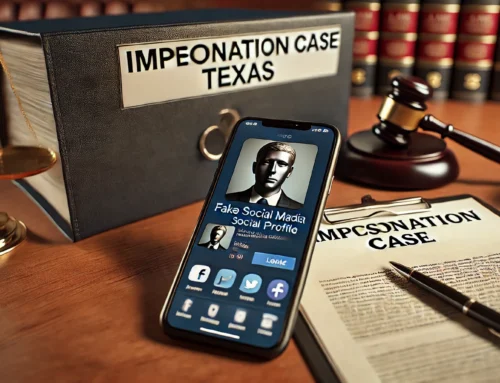
Online Impersonation and Fake Profiles breaks down Penal Code § 33.07, which makes it a third-degree felony to create a fake social media profile using another person’s identity without consent and with intent to harm or defraud.
Even sending a single message while pretending to be someone else can be charged as a Class A misdemeanor. These laws are commonly used in cases involving exes, workplace retaliation, or attempts to impersonate public figures or professionals.
Accused of Cyberbullying? Here’s What to Do
Being accused of cyberbullying can feel like your world is falling apart—especially if you didn’t realize you crossed a line. But the way you respond in the first 48 hours can determine whether the case escalates to arrest or is resolved quietly.
In How to Respond If You’re Accused of Cyberbullying, we outline steps including:
- Do not contact the accuser
- Preserve all messages and screenshots
- Avoid deleting posts or accounts
- Do not speak to police without a lawyer
- Seek early legal counsel for potential pre-charge resolution
Many clients can avoid formal charges by showing lack of intent, mutual communication, or First Amendment protections.
Where Free Speech Ends and Criminal Charges Begin
Many people believe “I can say what I want—it’s a free country.” And while the First Amendment protects most speech, it doesn’t protect threats, harassment, or conduct intended to cause fear or harm.
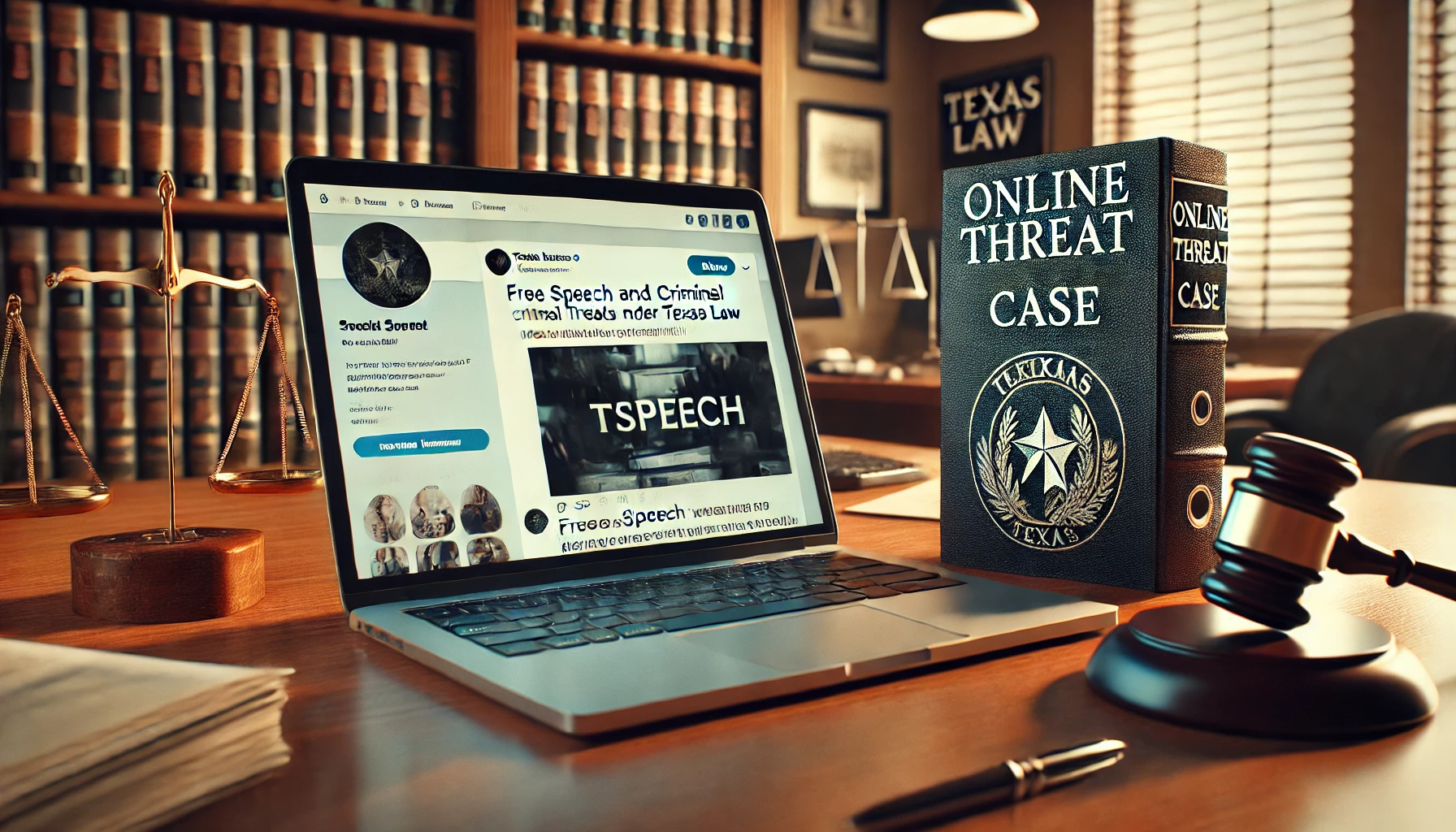
Free Speech vs. Criminal Threats Online explains how Texas courts distinguish between constitutionally protected expression and “true threats” that are punishable under criminal law.
Some examples:
- “I hope you crash your car” = usually protected speech
- “I’m going to come to your house and hurt you” = criminal threat
Context, intent, and perception matter. The more specific and repeated the communication, the more likely it is to be seen as a criminal act.
Cyber Harassment and Protective Orders
Even if you’re not arrested or convicted, online harassment can lead to a protective order that restricts where you can go, what you can post, and who you can contact.
Impact of Cyber Harassment on Protective Orders shows how courts grant protective orders based on:
- Screenshots of threatening or obsessive messages
- Public posts or videos about the accuser
- Repeated contact despite being blocked or told to stop
Violating a protective order is a separate criminal offense. Even one accidental comment or message could lead to arrest.
When Student Cyberbullying Becomes a Crime
Teenagers and students face unique challenges in the digital age. What starts as a group chat or joke among friends can quickly become a criminal investigation, especially when one student feels targeted or unsafe.
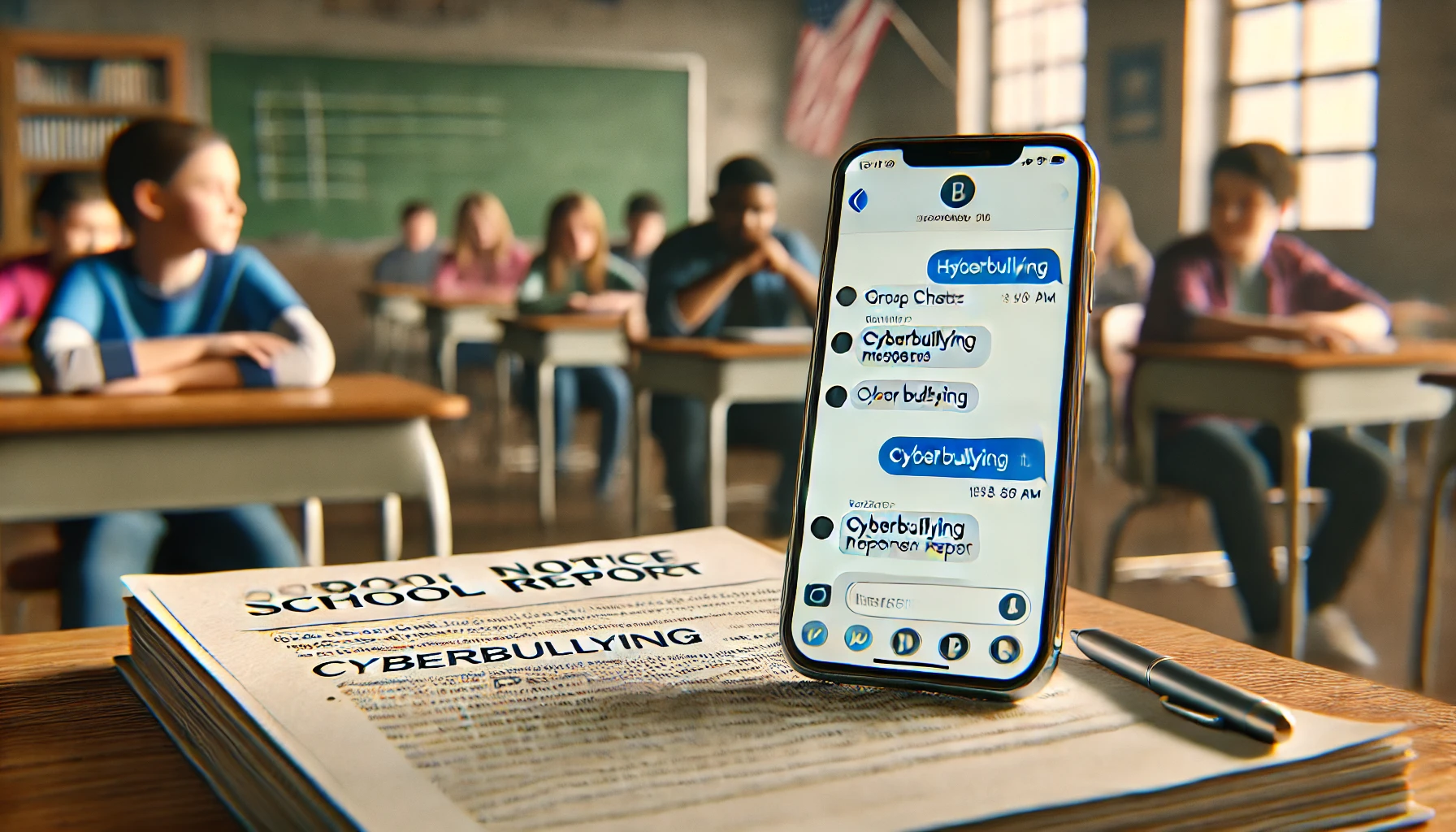
In Cyberbullying in Schools: When Does It Become a Crime?, we explain how Texas schools must investigate cyberbullying under David’s Law, and when conduct like:
- Threats
- Sexting
- Fake accounts
- Encouraging self-harm
…can lead to juvenile charges or adult felony prosecutions. These cases often result in school discipline (like expulsion or removal from teams) and criminal referrals to juvenile or municipal court.
Career Consequences Are Real—Even Without a Conviction
In Collateral Damage: How Cyber Threat Allegations Affect Careers, we explain how an accusation alone can trigger:
- Job loss
- License suspension
- Academic expulsion
- Professional blacklisting
- Google search damage
- Immigration or travel restrictions
Professionals in healthcare, education, finance, and law are especially vulnerable—even if the case is later dismissed. That’s why early, aggressive defense isn’t just about avoiding jail—it’s about protecting your future.
Final Thought: One Message Can Become a Felony—Or a Second Chance
Cyberstalking, harassment, and online threats are modern offenses with very real consequences. But many of these cases are built on misunderstandings, emotional outbursts, and incomplete narratives. They can be challenged—and beaten—if you act quickly.
David Smith Law Firm, PLLC defends clients across Houston and Texas accused of communication-based internet crimes. David is board-certified in criminal law, a former felony prosecutor, and highly skilled in navigating the complexities of digital speech, evidence, and conduct.
**Call (713) 769-5000 or schedule your confidential consultation at https://www.davidsmith.law If you’ve been accused of cyber misconduct, we’ll help you take control of the situation—before it controls you.
Discover more from David Smith Law Firm, PLLC
Subscribe to get the latest posts sent to your email.