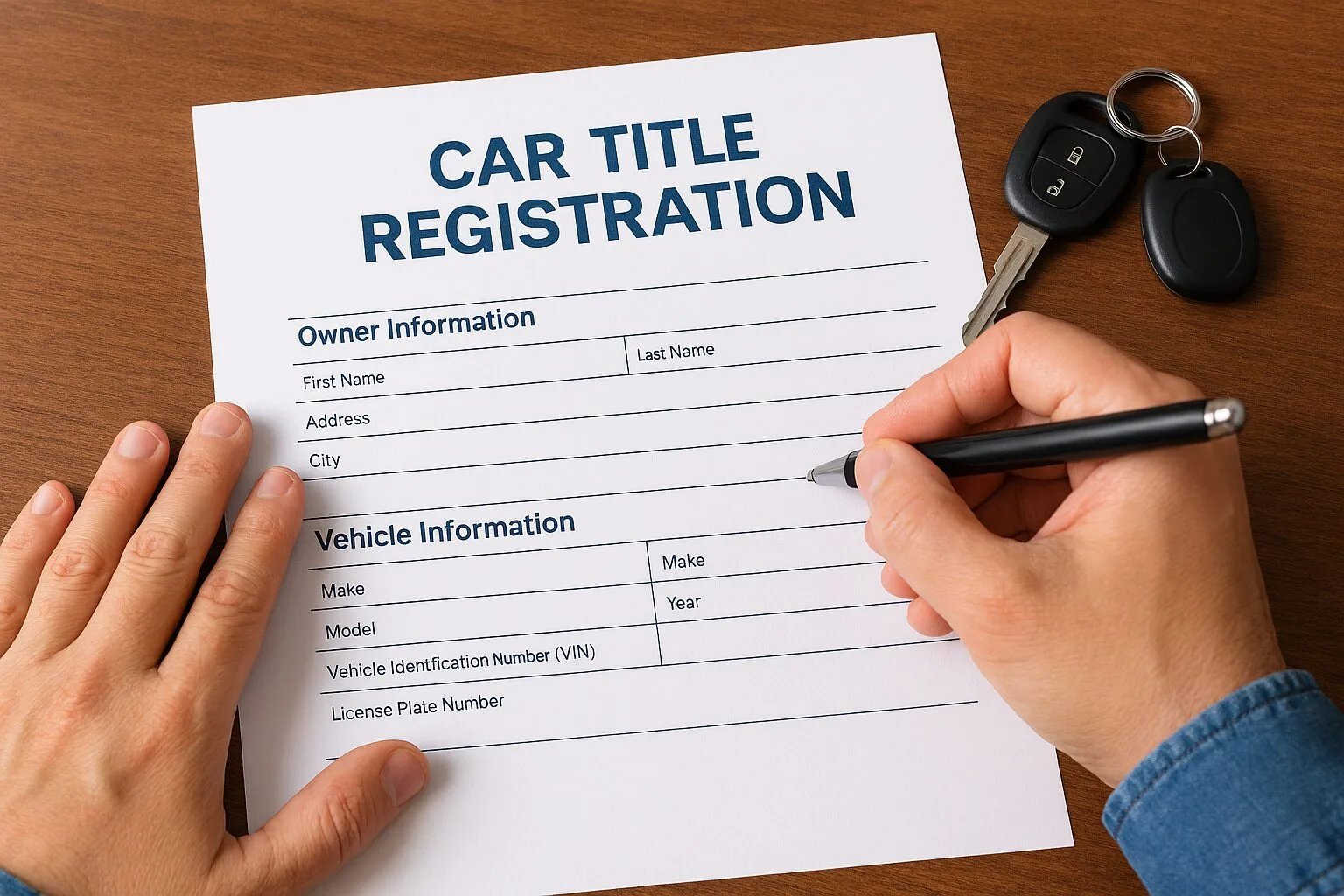
Why Registering a Car Title After a Private Sale in Texas Is Crucial: Protecting Yourself from Toll Violations, Tickets, and Criminal Liability
When you sell your car in a private party transaction, it might feel like the deal is done once the buyer drives away with the keys. But in Texas—especially in the Greater Houston area—failing to properly register the sale with the Texas Department of Motor Vehicles (TxDMV) can leave you vulnerable to a host of legal and financial headaches. From unpaid tolls to criminal offenses tied to your old vehicle, the consequences of skipping this critical step can be severe.
In this post, we’ll break down why registering a car title after a private sale is not just a good idea—it’s a legal necessity. If you’ve already sold a car and didn’t file the proper paperwork, or if you’re planning to sell one soon, read on to learn how to protect yourself from unexpected legal trouble.
What Happens If You Don’t Register the Sale?
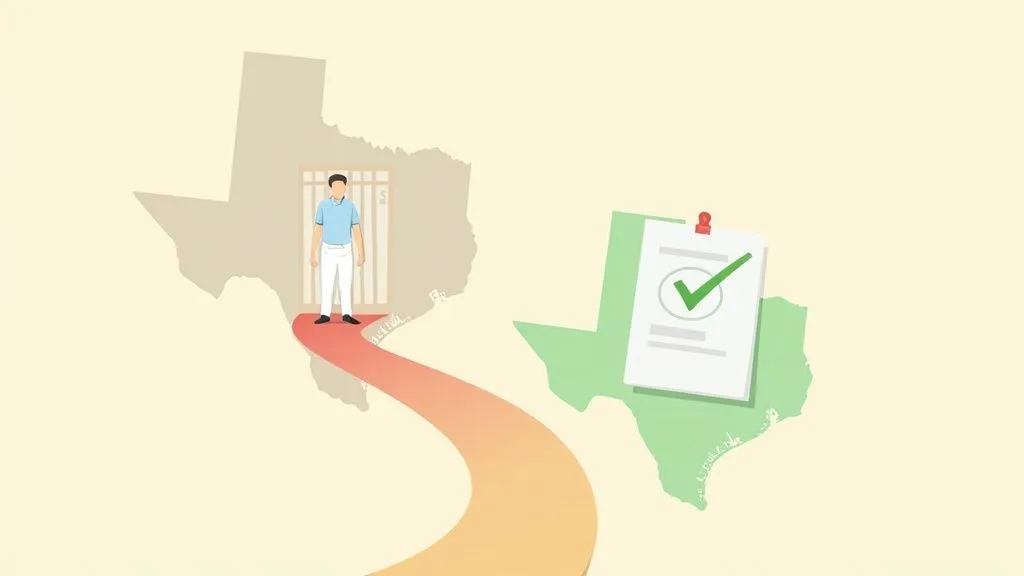
When you sell a vehicle in Texas, the law requires you to file a Vehicle Transfer Notification with the TxDMV. This form notifies the state that you are no longer the legal owner of the vehicle. If you skip this step, the state—and law enforcement—will still consider you the registered owner.
That means if the new owner:
- Runs up toll charges on Harris County Toll Road Authority (HCTRA) or TxTag roads
- Receives red light or speeding tickets
- Abandons the vehicle
- Uses the car in a crime
—those violations could be traced back to you.
And in Houston, where toll roads are heavily used and traffic enforcement is increasingly automated, this is more than just a hypothetical risk.
Real-World Consequences of Not Registering the Title
Let’s look at a few common scenarios that happen all too often in the Houston area:
1. Toll Violations Stack Up in Your Name
Imagine you sell your car to someone who commutes daily on the Sam Houston Tollway but never updates the registration or pays tolls. Weeks or months later, you start receiving notices from HCTRA demanding payment for hundreds—or even thousands—of dollars in toll violations. If the vehicle is still in your name, you’re on the hook.
Even worse, unpaid tolls can lead to:
- Vehicle registration blocks
- Collection agency involvement
- Damage to your credit score
2. Traffic Tickets and Camera Violations
Red light cameras and speed enforcement cameras don’t care who’s driving—they issue civil penalties based on the license plate. If your name is still tied to the plate, you could receive citations for violations you didn’t commit. Failing to respond to these tickets can result in:
- Fines
- Damage to your credit score
- Suspension of your driver’s license
3. Criminal Charges for Someone Else’s Actions
In more serious cases, your old vehicle could be used in a crime—anything from a hit-and-run to transporting stolen goods. If law enforcement traces the vehicle back to you, you could find yourself under investigation or even facing criminal charges until the situation is sorted out.
This is not just a theoretical risk. In Houston, where car-related crimes are on the rise, police often rely on vehicle registration records to track down suspects. If your name is still on the title, you could be the first person they contact.
How to Properly Register the Sale of a Vehicle in Texas
To avoid these risks, follow these steps immediately after selling your car:
1. Complete the Title Transfer
Both you and the buyer must sign the back of the title. Make sure the odometer reading is recorded and accurate.
2. File a Vehicle Transfer Notification
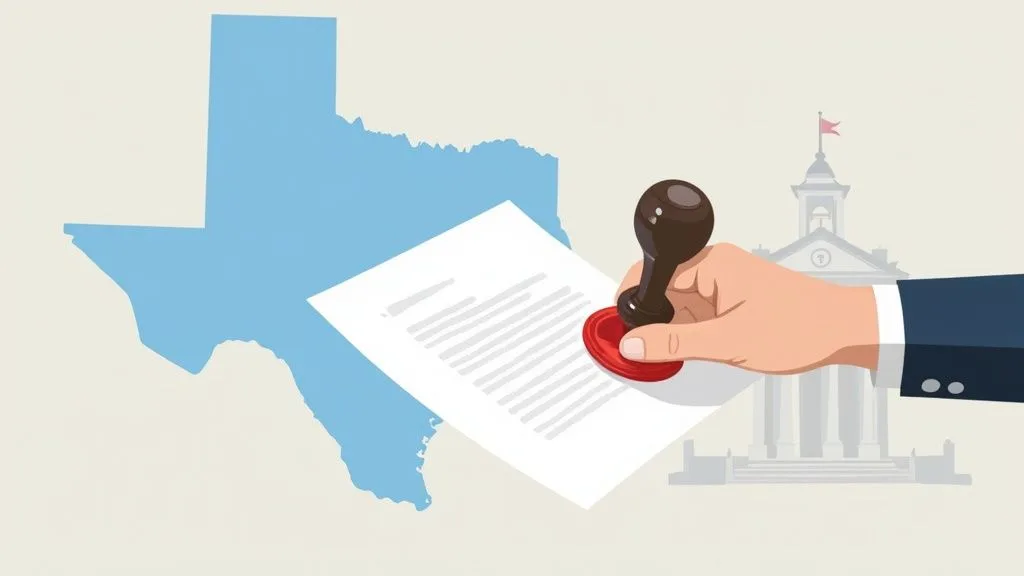
This is the most important step. You can file this online at the https://www.txdmv.gov/motorists/buying-or-selling-a-vehicle. It’s free and takes just a few minutes. Once filed, the state shouldn’t hold you responsible for the vehicle.
3. Keep a Copy of the Bill of Sale
Although not required by law, a bill of sale provides proof of the transaction and can be helpful if disputes arise later.
4. Remove Your License Plates
In Texas, license plates stay with the seller—not the vehicle. Remove them before handing over the keys and return them to the TxDMV or transfer them to another vehicle.
What If You Already Sold the Car and Didn’t Register the Sale?
If you’ve already sold a car and didn’t file the Vehicle Transfer Notification, it’s not too late—but you need to act fast.
- File the notification immediately to limit your liability going forward.
- Contact the buyer and encourage them to complete the title transfer.
- Monitor your mail for any toll violations or tickets and dispute them with proof of sale if necessary.
- Consult a criminal defense attorney if you receive any legal notices or are contacted by law enforcement.
Why This Matters in Houston
Houston’s sprawling highway system, heavy reliance on toll roads, and high volume of private car sales make this issue especially relevant for local residents. The Greater Houston Area also has some of the highest rates of toll usage in the state, and enforcement agencies are aggressive about collecting unpaid fees.
Additionally, the city’s growing use of traffic cameras and license plate readers means that any vehicle still registered in your name is a potential liability.
Don’t Let a Simple Mistake Turn Into a Legal Nightmare
Selling a car privately can be a smart financial move—but only if you follow through with the proper legal steps. Failing to register the sale can leave you exposed to toll violations, traffic tickets, and even criminal charges.
If you’re facing legal trouble because of a vehicle you no longer own, it’s critical to speak with a criminal defense attorney who understands how to navigate these complex issues—especially in Harris County and the surrounding areas.
Discover more from David Smith Law Firm, PLLC
Subscribe to get the latest posts sent to your email.