Understanding Online Harassment Charges in Texas
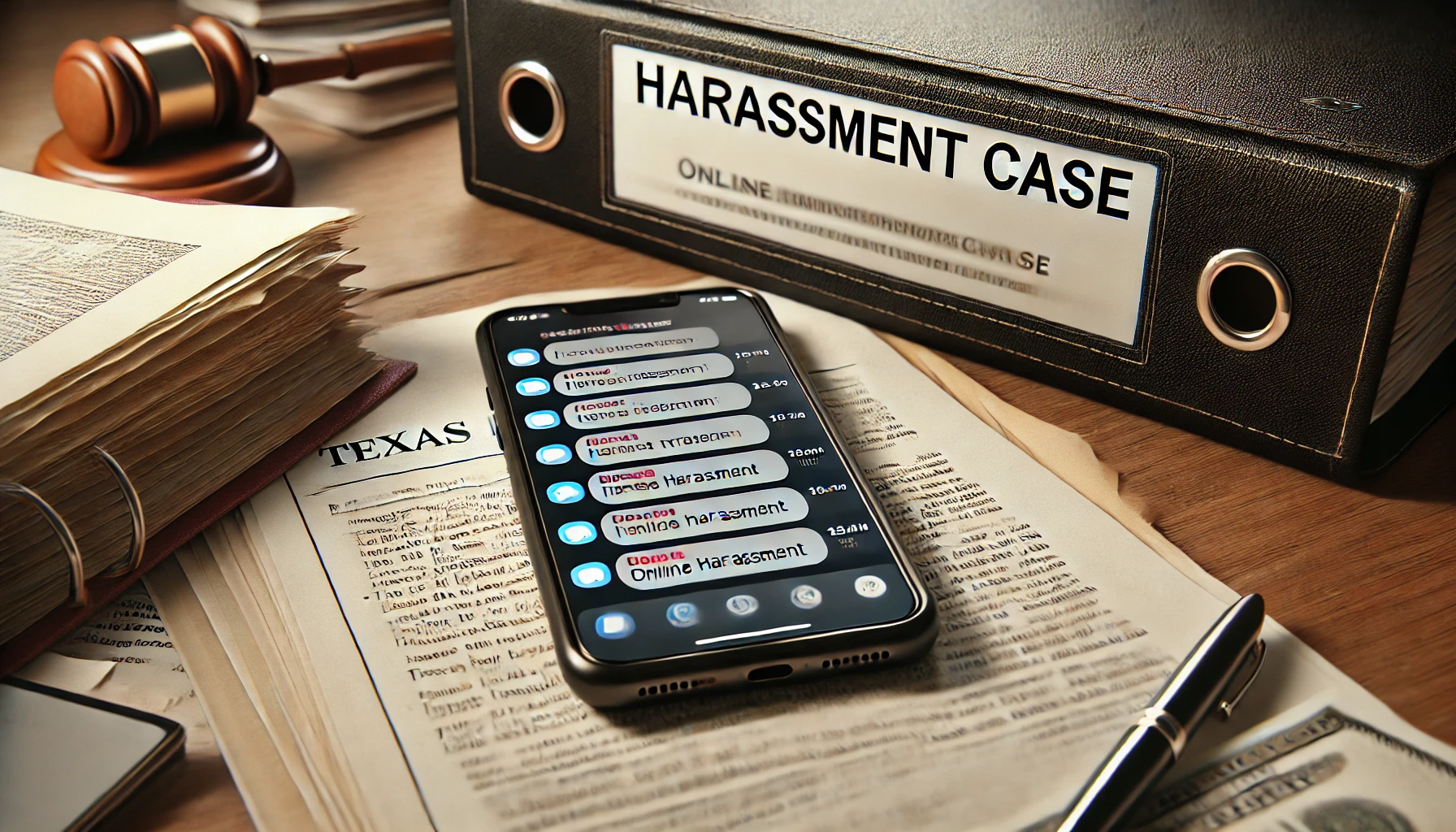
In the digital age, we’re more connected than ever—but that constant connection also opens the door to serious legal risk. In Texas, repeatedly sending messages that are threatening, annoying, or emotionally distressing to someone online can lead to criminal charges for harassment.
Whether you’ve sent a few heated DMs, engaged in a social media argument, or been accused of “blowing up someone’s phone,” you might be surprised to learn how quickly your actions can meet the legal definition of harassment—and how severe the consequences can be.
In this beginner’s guide, we’ll walk through how Texas defines online harassment, what kind of digital communication can lead to charges, and how these cases are prosecuted and defended.
If you or someone you know is being investigated for harassment or has already been charged, keep reading. Understanding the law is the first step to protecting your freedom—and your future.
What Is Online Harassment Under Texas Law?
In Texas, online harassment is prosecuted under Texas Penal Code § 42.07, which criminalizes a wide range of behaviors that involve intentionally annoying, alarming, or abusing another person.
According to the statute, a person commits harassment if they act with intent to harass, annoy, alarm, abuse, torment, or embarrass another person, and they:
- Initiate repeated electronic communications
- Threaten bodily injury or unlawful acts
- Send obscene or indecent materials
- Cause a phone or electronic communication device to ring repeatedly
- Make false claims of someone’s death or serious injury
- Send messages that they know will be disturbing or offensive
This statute clearly applies to text messages, emails, DMs, social media posts, group chats, and other forms of online communication.
If your behavior is persistent and unwanted, it may cross the line into criminal conduct—even if you didn’t intend serious harm.
What Does the State Have to Prove?
To secure a conviction, prosecutors must show:
- You sent or caused the communication
- You did so with the specific intent to harass, annoy, alarm, or embarrass
- The recipient did not want the communication and experienced emotional distress or disruption
In many cases, prosecutors try to prove intent by showing:
- Repeated messages after being asked to stop
- Escalation in tone or content
- Obscene language or threats
- Doxing (posting someone’s personal info)
- Impersonation or fake accounts
For more severe cases, like those involving threats of violence or stalking behavior, charges may escalate under Texas Penal Code § 42.072 – Stalking or even federal law.
What Forms of Communication Are Covered?
Any digital or electronic communication method can be included, including:
- Text messages
- Emails
- Facebook Messenger, Instagram DMs, Snapchat, WhatsApp
- Comments or posts on public profiles
- Tagged content meant to embarrass or harass
- Phone calls or voicemails
- Online gaming chats or forum messages
Even anonymous accounts or burner numbers can be traced by law enforcement with cooperation from tech companies.
Examples of Online Harassment in Texas
- An ex sending dozens of messages a day, even after being blocked
- Posting repeated insults or threats in someone’s Instagram comments
- Flooding a person’s inbox or phone with unwanted messages, calls, or memes
- Sending sexually explicit messages or images, especially after being told to stop
- Sharing someone’s personal information with the intent to humiliate or threaten (doxing)
Penalties for Online Harassment in Texas
Harassment charges range from misdemeanors to felonies depending on the facts and prior history.
Class B Misdemeanor
- First-time offense
- Up to 180 days in jail
- Up to $2,000 fine
Class A Misdemeanor
- Prior harassment conviction
- Up to 1 year in jail
- Up to $4,000 fine
State Jail Felony
- Harassment targeting a child under 18 with the intent to cause self-harm or suicide
- 180 days to 2 years in a state jail facility
- Up to $10,000 fine
These charges can also lead to:
- Restraining or protective orders
- Social media bans
- Loss of employment
- Professional licensing consequences
- Registration as a sex offender in extreme cases involving sextortion or revenge porn
For other sentencing tiers, see Penalties for Unauthorized Access Under Texas Law.
How Are Online Harassment Cases Investigated?
Most cases begin when a victim files a police report, often with screenshots or message logs. Officers will review:
- Message content and timestamps
- Context and relationship history
- Evidence of blocking, reporting, or asking for communication to stop
- Whether the suspect used fake accounts, VPNs, or anonymous messaging apps
Subpoenas may be issued to tech companies like Meta, Google, or Apple for:
- Account creation data
- IP address history
- Login records
- Deleted messages or private conversations
Once law enforcement believes they can prove intent and impact, charges may be filed.
Common Defense Strategies
At David Smith Law Firm, PLLC, we’ve successfully defended clients accused of harassment using the following strategies:
1. Lack of Intent
Not every unwanted message is harassment. If your messages were emotionally charged but not threatening, you may be protected under the First Amendment.
2. One-Time or Accidental Contact
The law requires repetition. One angry email or a misdirected comment might not meet the legal threshold.
3. Mutual Communication
If both parties were engaging in argument or banter, the case for “intent to harass” weakens. Screenshots should show the full conversation—not just the prosecution’s side.
4. Mistaken Identity
You may not be the one behind the messages. If your account or device was compromised or spoofed, digital forensics can help prove that.
5. Speech Protected by Law
Texas courts have thrown out harassment charges when the communication was political, journalistic, or didn’t meet the legal definition of abuse or torment.
What to Do If You’re Accused
If you receive:
- A harassment complaint
- A cease-and-desist letter
- A protective order request
- A call from law enforcement
Do not respond to the accuser and do not speak to police without an attorney.
Even trying to “apologize” or “explain” could be used as evidence against you. Instead:
- Preserve all communications
- Screenshot your side of the conversation
- Make note of any mutual messages or engagement
- Contact a criminal defense attorney immediately
Final Thought: One Message Can Trigger a Misdemeanor—Many Can Lead to a Felony
In Texas, harassment laws are serious—and prosecutors do pursue online cases. What feels like a personal dispute can become a criminal case with long-term consequences if it crosses the legal line.
But that line isn’t always clear, and not every accusation is legally valid.
David Smith Law Firm, PLLC defends individuals in Houston and across Texas who are accused of online harassment, cyberstalking, and digital threats. David is board-certified in criminal law and a former prosecutor with years of experience navigating high-tech and communication-based offenses.
**Call (713) 769-5000 to schedule a confidential consultation. Don’t let an accusation define your future—we’ll help you fight back the right way.
Discover more from David Smith Law Firm, PLLC
Subscribe to get the latest posts sent to your email.