
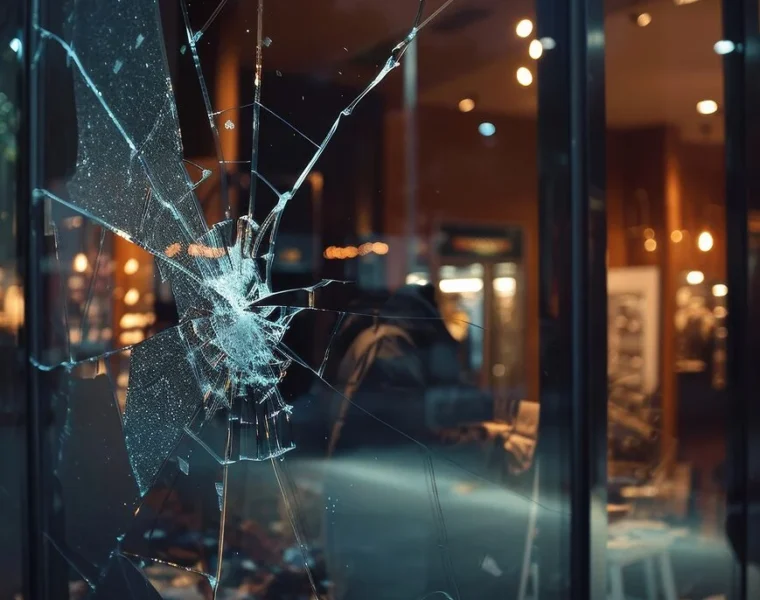
Juvenile vandalism and property damage charges in Texas carry real consequences that most families do not anticipate until they are already facing them. Restitution orders, formal probation, community service requirements, and a juvenile record that can affect college applications and employment are all possible outcomes. Acting quickly is the most important thing a family can do.

Criminal mischief charges in Texas are graded by the amount of alleged property damage. Under $100 is a Class C misdemeanor. At $2,500 or more the charge becomes a state jail felony, even in a juvenile case. The state’s valuation of the damage is a critical element of the charge, and those valuations are frequently based on unverified estimates that overstate the actual cost of repair or replacement. Challenging the damage valuation is one of the most effective ways to reduce the severity of the charge.
Our firm examines the evidence used to identify your child as the person responsible, evaluates the reliability of any witness accounts or surveillance footage, and independently reviews the property damage valuation the state is relying on. In Harris County juvenile courts, diversion programs, deferred prosecution agreements, and informal adjustment options are available in many vandalism cases, but access to those options depends on acting before the case advances too far through the court process. The earlier we are involved, the more options we have to work with.

When a juvenile is adjudicated for vandalism or criminal mischief, courts frequently order restitution in addition to probation or community service. Restitution is calculated based on the actual cost to repair or replace the damaged property, and that calculation can be contested. Our firm reviews the basis for any restitution amount the state proposes, challenges inflated or unsupported valuations, and works to ensure that any restitution ordered reflects what the evidence actually supports rather than what is claimed.
Texas law provides meaningful options for limiting the long-term impact of a juvenile record following a vandalism or property damage case. Depending on the outcome of the case and the nature of the offense, a juvenile record may be eligible for sealing under Texas Family Code §58.003, which prevents the record from being disclosed to most employers and educational institutions. Our firm evaluates record sealing eligibility from the beginning of every juvenile case and factors post-case relief options into the defense strategy, so that a favorable resolution today protects your child’s opportunities tomorrow.
A 10-year-old charged in connection with a stabbing that claimed the life of a 13-year-old raises some of the most complex questions in criminal law, including questions of competency, intent, self-defense, and whether a child can truly understand the charges they face. As discussed in this Fox News segment, the juvenile justice system prioritizes rehabilitation over punishment, but that does not mean these cases are simple. Whether a statement amounts to a confession, whether a child was acting in self-defense, and whether they are even competent to aid in their own defense are all critical issues that must be carefully evaluated by an experienced attorney.
These are not cases where families can afford to wait and see. The decisions made in the earliest stages, from the first conversation with law enforcement to the first court appearance, can shape the entire outcome. Having an attorney who understands both the legal process and the human side of these situations makes a real difference.
David Smith is a Board Certified Criminal Defense Attorney with over 20 years of experience handling serious criminal cases in Houston and throughout Harris, Brazoria, Fort Bend, and Galveston Counties. As a former prosecutor who tried over 100 jury cases, including Murder and Aggravated Assault, David understands exactly how the state builds its case and what it takes to challenge it. When the stakes are this high, you need a defense attorney who knows the law, knows the courts, and knows what questions to ask. Call David Smith Law Firm 24/7 at (713) 769-5000.

