
Strategic and discreet legal representation for individuals facing sexual assault allegations in Houston and Harris County, including cases where consent is disputed, physical evidence is limited, and the complainant’s credibility is the central question.
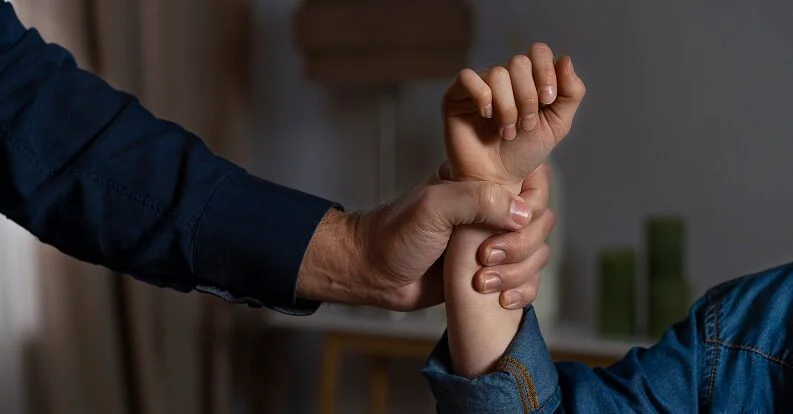
A sexual assault accusation in Texas can damage your reputation, your employment, and your family relationships before a single charge is formally filed. Texas prosecutors pursue these cases aggressively, and a conviction carries mandatory sex offender registration alongside significant prison time, consequences that do not end when a sentence is served and that follow a person into every aspect of life after release.
David Smith is Board Certified in Criminal Law by the Texas Board of Legal Specialization and a former Brazoria County prosecutor. He has handled serious sexual assault allegations from both sides of the courtroom and understands exactly how these cases are investigated, how the state builds its case, and where the evidence is most vulnerable to challenge. Every case is handled with complete confidentiality and a defense strategy focused on protecting your future. Contact our firm today for a free consultation.
Sexual assault under Texas Penal Code §22.011 is a second-degree felony carrying 2 to 20 years in prison. The charge applies when a person intentionally or knowingly causes sexual contact or penetration without the other person’s consent, or in circumstances where consent cannot legally be given, including situations involving intoxication, unconsciousness, or age. Aggravated sexual assault under §22.021 is a first-degree felony carrying 5 to 99 years or life when a deadly weapon is involved, the victim is under 14, elderly, or disabled, or the offense is committed in conjunction with another felony.
Sexual assault prosecutions frequently rest on conflicting accounts between two people where physical evidence is absent, ambiguous, or disputed. The complainant’s credibility, the consistency of their account across multiple statements, and the reliability of any forensic evidence the state presents are all subject to examination. These cases require a defense built on what the evidence actually shows, not what the prosecution claims it shows.
Consent is the most frequently disputed element in sexual assault prosecutions. Texas law defines consent as assent in fact, and the absence of verbal or physical resistance alone does not establish that consent was absent. Cases where the parties had a prior relationship, where alcohol was involved without incapacitation, or where the account of what happened evolved significantly between the initial report and formal proceedings all raise genuine legal questions about what the evidence actually establishes. We examine every statement made by the complainant, every piece of physical and digital evidence, and the circumstances surrounding the alleged offense to determine where the state’s proof falls short.
Sexual assault nurse examiner (SANE) reports, DNA evidence, and medical findings are frequently presented by the state as definitive proof. They are not. SANE examinations document findings but do not establish how those findings occurred, and the absence of physical findings does not rule out assault. DNA evidence establishes contact but not the nature or consent of that contact. We examine every forensic report in detail, evaluate whether the findings actually support the conclusions the prosecution draws from them, and in appropriate cases consult independent forensic experts to present an alternative interpretation of the medical evidence.
A significant number of sexual assault charges in Harris County arise from situations involving former romantic partners, current relationships where the circumstances of an encounter are disputed, or situations involving shared intoxication where both parties made decisions they later characterize differently. These cases often involve no physical injury, no witnesses, and a prior relationship that complicates any simple narrative about what happened. The credibility of both the complainant and the defendant, the prior communications between the parties, and the context of the relationship are all central to the defense.

In cases where physical evidence is absent or ambiguous and the outcome depends on whose account the jury believes, the quality of the defense preparation is decisive. We examine every statement the complainant made, from the initial outcry through every subsequent interview and deposition, looking for inconsistencies, expansions, or changes that undermine the reliability of their account. We also examine any digital communications between the parties before and after the alleged offense, any prior false allegations, and any motive to fabricate or exaggerate that the evidence supports.
The credibility challenge in sexual assault cases is not an attack on a complainant. It is a legal examination of whether the evidence the state presents is sufficient to meet the constitutional standard of proof beyond a reasonable doubt. That standard exists precisely because allegations, however sincere, are not the same as proof. Our firm presents that distinction clearly and effectively at every stage of the proceeding.

