

Providing Strategic Personalized Defense in Harris County
Burglary under Texas Penal Code §30.02 is charged when a person enters a building, habitation, or vehicle without the owner’s effective consent and with intent to commit a felony, theft, or assault inside. What makes burglary particularly serious is that no theft needs to occur. The mere entry with alleged criminal intent is sufficient to sustain the charge. A burglary of a habitation is a second degree felony, but can be a first degree felony. An offense under this section is a felony of the first degree if the premises are a habitation; and any party to the offense entered the habitation with intent to commit a felony other than felony theft or committed or attempted to commit a felony other than felony theft.


The intent element is what separates burglary from criminal trespass, and it is almost always the most contested issue in these cases. Because the state does not need to show that any theft actually occurred, it must prove what the defendant allegedly intended at the exact moment of entry. That intent is almost always inferred from circumstantial evidence, such as tools found in a vehicle, items discovered on the defendant’s person, or the time of day and manner of entry.
Circumstantial evidence can support a burglary charge, but it must prove intent beyond a reasonable doubt, not merely raise a suspicion. A person found inside a building who entered without permission may be guilty of criminal trespass, which is a significantly lesser offense, if the state cannot prove what they intended to do once inside. The difference between these two charges can mean the difference between a misdemeanor and a first-degree felony.
At David Smith Law Firm, every burglary case begins with a detailed examination of the intent evidence the state intends to rely on. We understand how burglary cases are built around circumstantial intent evidence and exactly where that evidence is most open to challenge.
Burglary of a habitation is a 2nd degree felony in Texas or possibly first degree felony. A habitation is any structure used or intended for use as a dwelling. The severity of this charge makes the quality of the defense preparation at every stage critically important. We examine all entry evidence, the basis for the alleged intent, and every constitutional issue in the investigation.
Burglary of a commercial building or any non-habitation structure is a state jail felony carrying 180 days to 2 years in state jail and fines up to $10,000. The same intent analysis applies. The state must prove not just that entry occurred but that the defendant entered with the specific intent to commit theft, assault, or another felony inside the structure.
Entering a vehicle without the owner’s consent to commit theft inside is a Class A misdemeanor under Texas Penal Code §30.04. Vehicle burglary cases often rely on surveillance footage, fingerprint evidence, and witness accounts. We examine each piece of identification evidence carefully and challenge the reliability of any identification procedure that did not meet proper legal standards.
In cases where the state cannot establish the required intent for burglary, criminal trespass may be the appropriate charge. Criminal trespass under Texas Penal Code §30.05 requires only that the person entered or remained on property without effective consent, without the additional element of criminal intent at the moment of entry. Establishing criminal trespass rather than burglary is a significant reduction in both charge level and sentencing range.
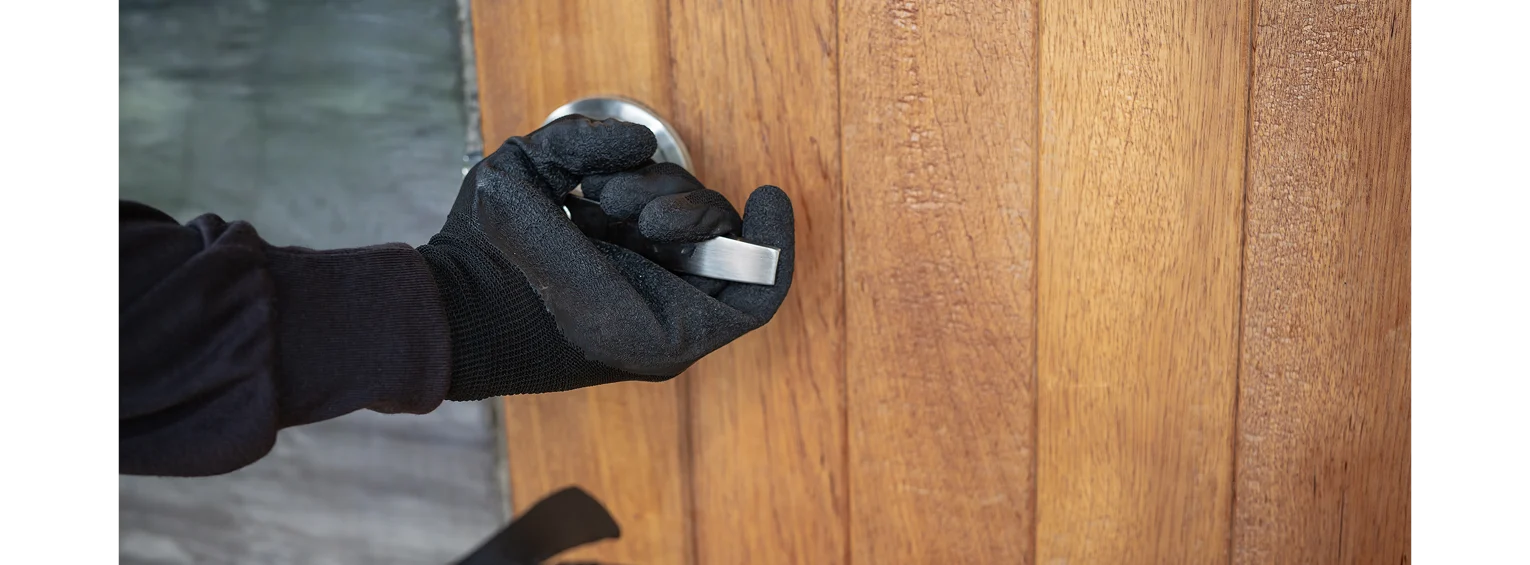
Burglary cases in Texas are frequently decided on a single question: what did the defendant intend at the moment of entry? The state answers that question through circumstantial evidence, and we challenge the inferences the prosecution asks the jury to draw from that evidence. Tools or gloves found in a vehicle, the time of night, and the manner of entry can all be explained by circumstances that do not involve criminal intent.
Our firm examines every piece of circumstantial evidence the state intends to use, works to develop alternative explanations that the jury must consider, and challenges identification evidence in cases where the defendant was not caught inside the structure. In many burglary cases, the question of who entered is contested as much as the question of why. We address both with equal care.

