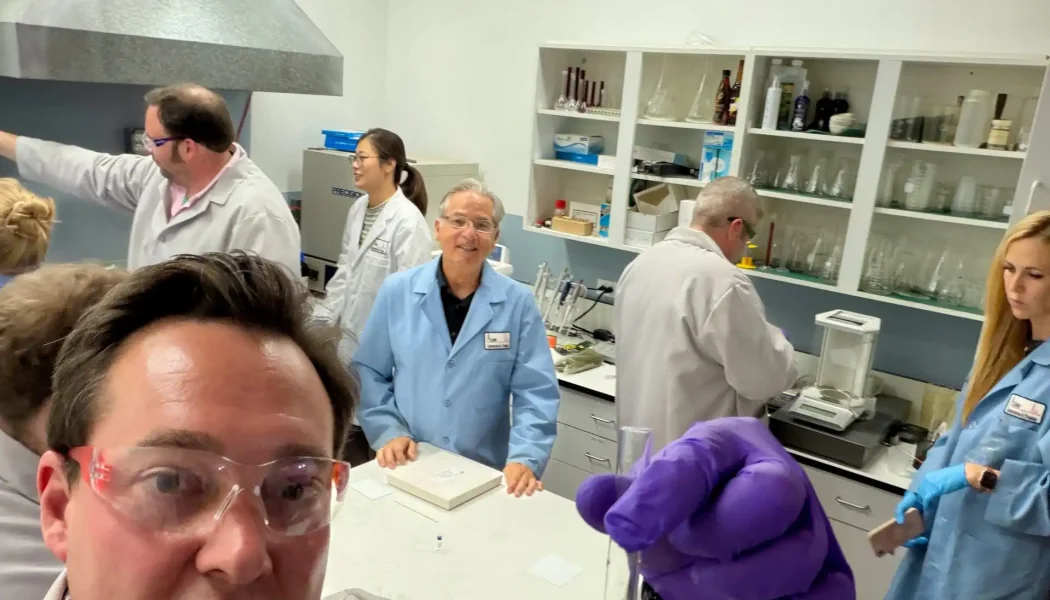
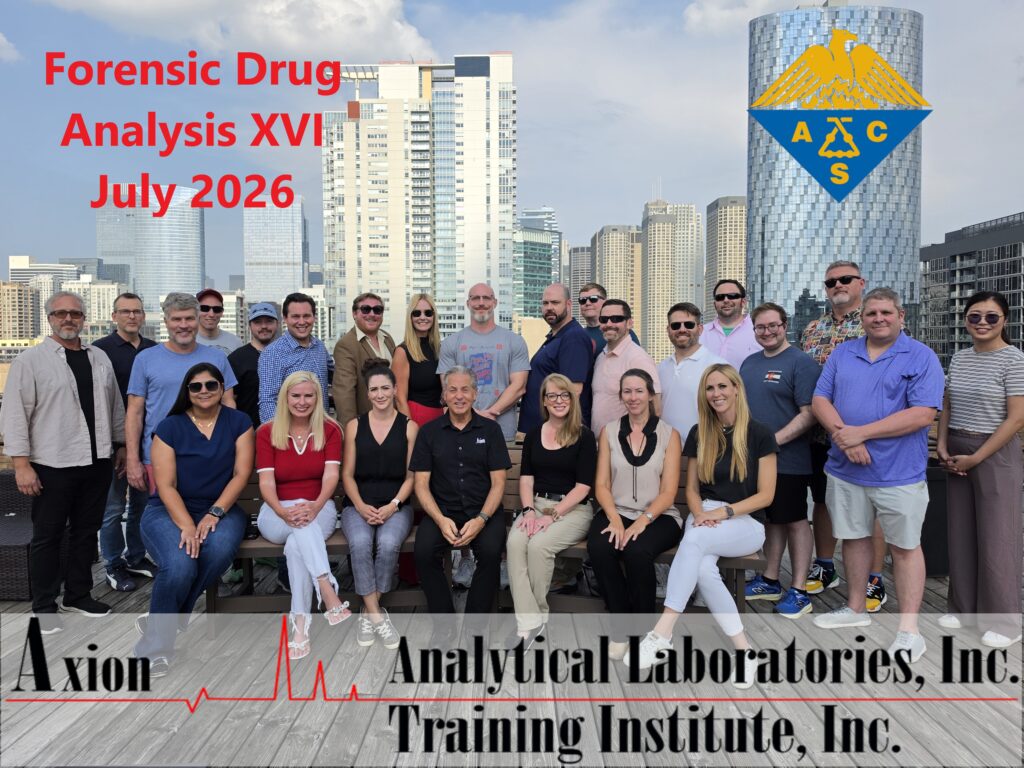
This past week, I was in Chicago attending Axion Labs’ Solid Drug course, an intensive, hands-on program focused on the forensic science used to identify and analyze suspected controlled substances. The course is part of my continuing effort to strengthen the scientific foundation I bring to the defense of drug and DWI cases in Houston and the surrounding counties.
Criminal defense today requires more than knowing the statutes, the rules of evidence, and courtroom procedure. In drug cases—and in many DWI cases involving blood, breath, or other chemical testing—the government’s case may depend heavily on laboratory work, instrument-generated data, and the conclusions of a forensic analyst. Those conclusions should not be accepted merely because they appear in an official report. A lab report is ultimately a person’s conclusion. Substantiating that “opinion”, based off of empirical data, is where a lab analyst’s work and the lab’s method, can be called into question by a skilled defense attorney.
As a Board Certified Criminal Law Specialist and former prosecutor, I believe an effective Houston criminal defense lawyer must understand the evidence beneath the accusation. That means knowing enough about the science to examine the laboratory’s methods, recognize potential weaknesses, and ask focused questions of the people responsible for testing the evidence.
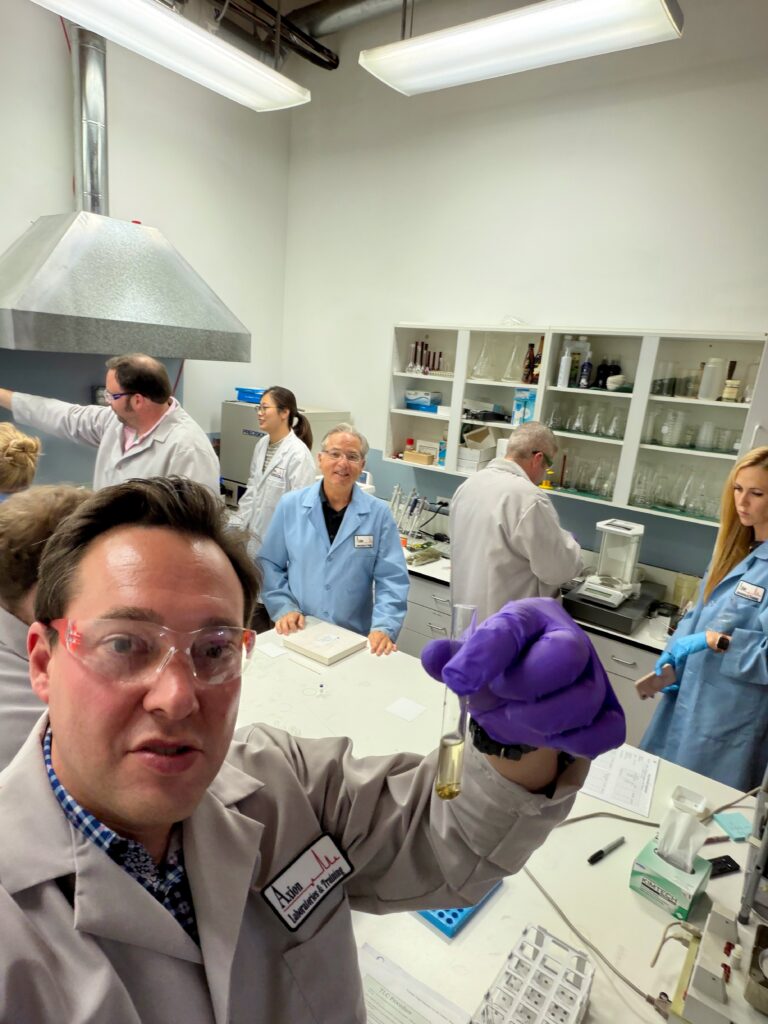
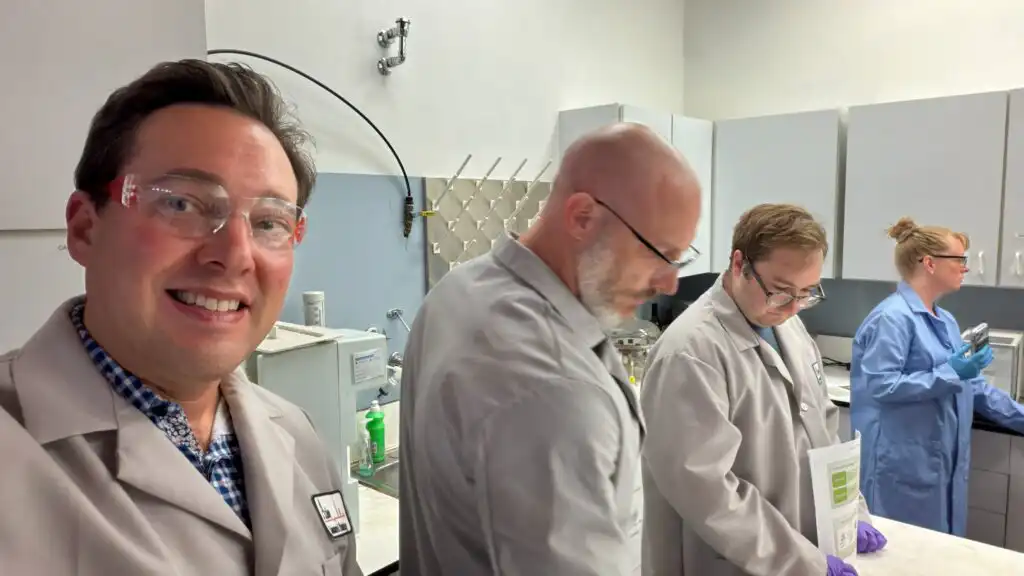
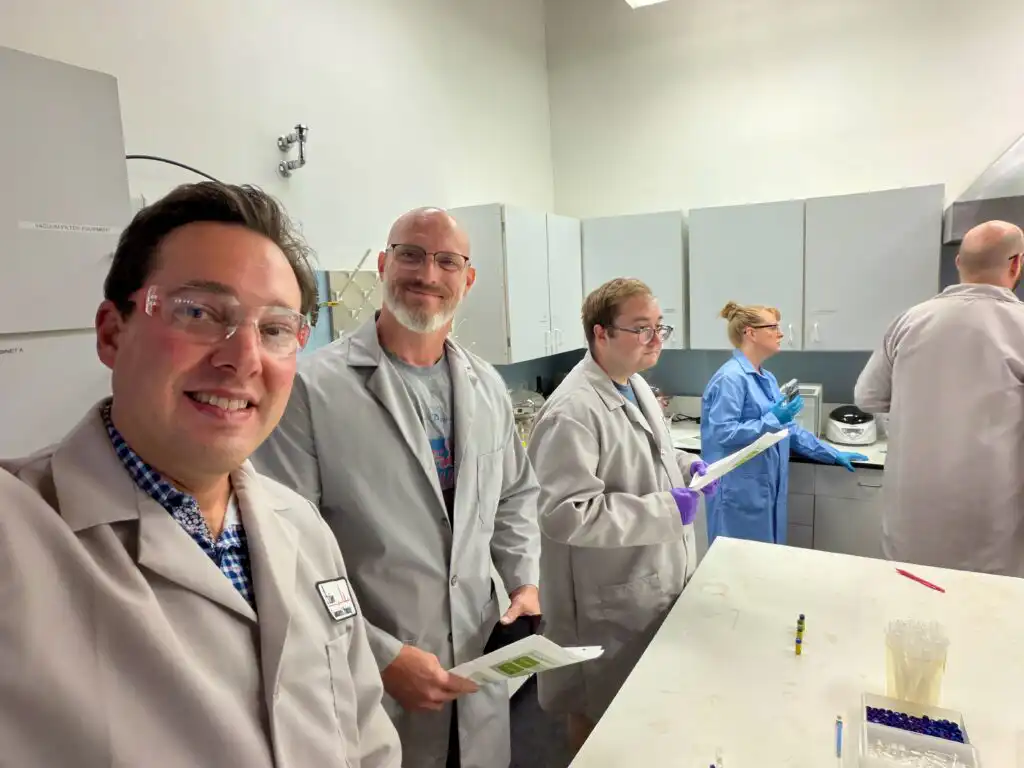
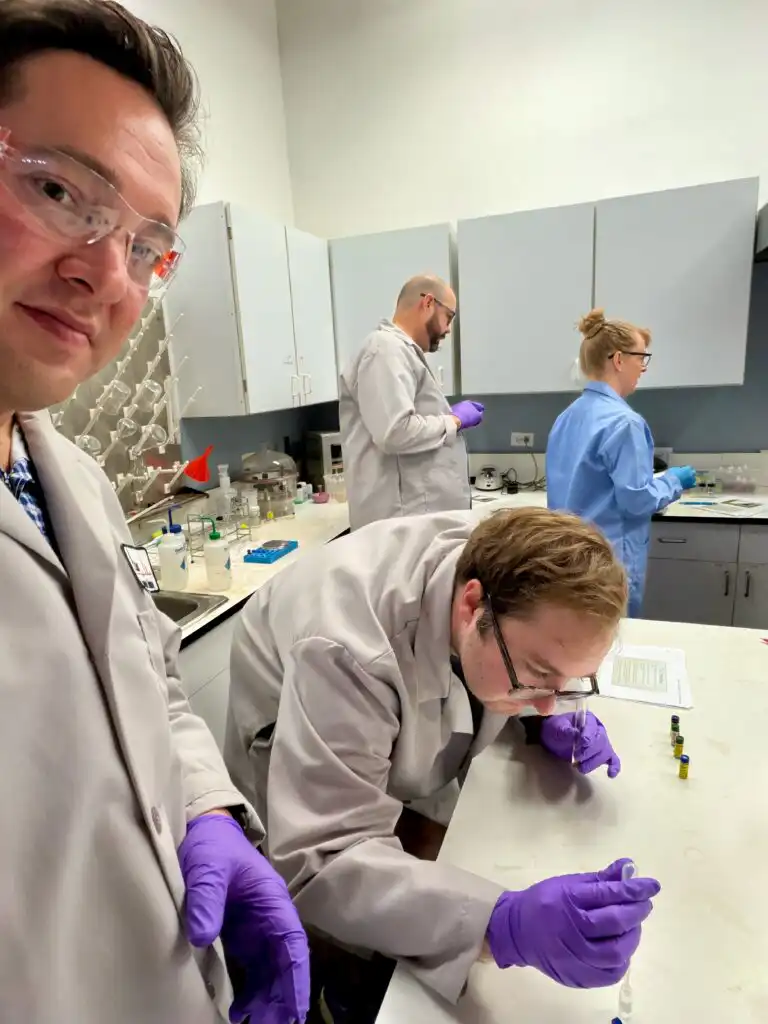
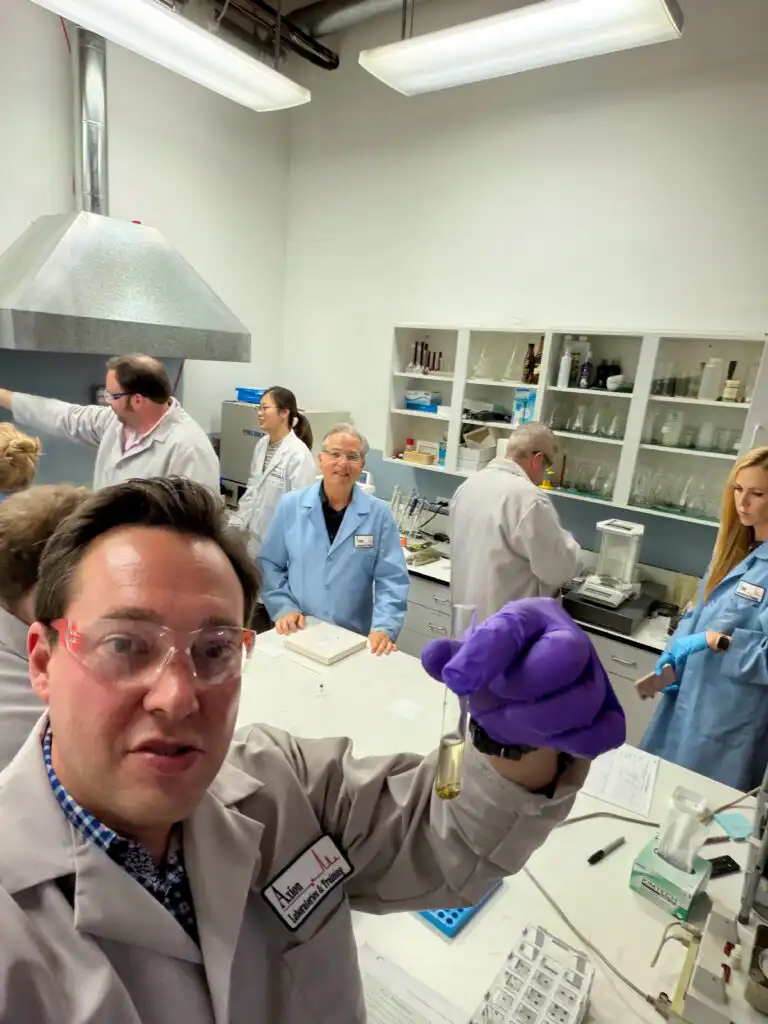
Hands-On Training in Forensic Drug Analysis
Axion Labs’ Forensic Drug Analysis course examines the stages of a controlled-substance analysis from evidence intake through the final laboratory report. The program addresses chain of custody, evidence descriptions, weighing, sampling, measurement uncertainty, presumptive testing, confirmatory testing, laboratory accreditation, quality assurance, quality control, reviewable data, and the standards used to support an identification.
The course also includes laboratory exercises involving color testing, sample preparation, gas chromatography-mass spectrometry (GC/MS), Fourier-transform infrared spectroscopy (FTIR), and the analysis of underlying data. Cross-examination demonstrations connect the laboratory work to the questions that matter in court.
The point is not to turn a defense lawyer into a substitute laboratory analyst. It is to develop the ability to evaluate whether the government’s scientific conclusion is supported by a reliable process and defensible data.
Presumptive Color Tests: A Starting Point, Not a Final Identification
A color test is generally a presumptive screening technique. An analyst places a reagent in contact with a small portion of the suspected substance and observes whether a particular color develops. That reaction may suggest the possible presence of a class of substances, but it does not ordinarily provide the specificity of a properly performed confirmatory analysis.
Problems can arise from contaminated materials, degraded or improperly stored reagents, an excessive or inadequate sample, poor lighting, failure to observe the reaction at the proper time, or incomplete documentation. Different substances may also produce similar or misleading color reactions. The analyst must decide what color appeared, how strong the reaction was, and whether it matched the expected response. That human judgment introduces an element of subjectivity.
For a Houston drug crime lawyer reviewing a possession or delivery case, the important inquiry is not simply whether someone reported a ‘positive’ color test. The defense should determine what was tested, how the test was performed, what controls were used, whether photographs or contemporaneous observations exist, and whether reliable confirmatory testing followed.
Sampling Problems: What Did the Laboratory Actually Test?
Sampling may become critical when police seize multiple bags, pills, powders, plants, or other items. A laboratory may test only part of the seized material and then draw a conclusion about a larger group. Whether that conclusion is justified depends on how the sample was selected and whether the tested material fairly represents the whole.
Questions can arise when items differ in appearance, packaging, weight, markings, texture, or origin. If a laboratory combines samples, tests only selected items, or assumes that visually similar materials contain the same substance, the defense should examine whether that approach was scientifically supported and adequately documented. The identity and weight of the controlled substance can affect the offense charged and the applicable punishment range, so an unsupported assumption about untested material may have serious consequences.
A meaningful review therefore considers the laboratory’s sampling plan, the number of items tested, the manner of selection, the treatment of untested material, and any uncertainty associated with extending a conclusion beyond the tested portion.
GC/MS Evidence Still Requires Human Interpretation
GC/MS is a powerful analytical technique frequently used for confirmatory drug testing. The gas chromatograph separates components of a sample over time, producing a chromatogram with peaks associated with detected components. The mass spectrometer then fragments molecules and produces mass spectra that can be compared with known reference materials or spectral libraries.
The instrument generates data, but it does not eliminate judgment. An analyst must decide which peaks are significant, whether the separation was adequate, whether retention-time criteria were satisfied, whether the mass spectrum contains the expected ions and relative abundances, and whether the comparison supports a reliable identification. The analyst must also evaluate possible contamination, carryover, co-elution, background interference, poor peak shape, low signal strength, and the quality of any library match.
That interpretive process involves subjectivity, particularly when the data are weak, incomplete, or close to an acceptance threshold. A printed conclusion or library-match score does not, by itself, answer whether the analyst followed the laboratory’s validated method or whether the underlying chromatograms, spectra, blanks, controls, calibration data, and quality-control records support the reported result.
The fair point is not that GC/MS results are inherently unreliable. Properly validated and correctly performed GC/MS can be highly informative. The point is that the reliability of a particular result depends on the method, the instrument’s performance, the data, the quality controls, and the analyst’s reasoning in that specific case.
How This Training Strengthens Drug and DWI Defense
The Solid Drug course focuses on drugs in their pre-consumption form, but the analytical discipline applies more broadly. Drug cases, blood-alcohol DWI cases, and driving-while-intoxicated-by-drugs cases all require careful attention to sample integrity, validated methods, instrument performance, quality-control procedures, documentation, and the limits of an analyst’s conclusion.
The specific instruments and procedures may differ. Solid-drug testing is not the same as testing a blood specimen for alcohol or controlled substances. Still, the same fundamental defense approach applies: identify what the laboratory did, obtain the underlying data, compare the work with the laboratory’s written procedures, and determine whether the reported conclusion goes further than the science supports.
This training helps me review laboratory discovery more critically, communicate effectively with independent experts, prepare more precise motions and cross-examinations, and explain complicated scientific issues in understandable terms to judges and juries. It is another tool for holding the government to its burden of proving every element of an alleged offense beyond a reasonable doubt. A lab report, by itself, is not proof beyond a reasonable doubt of guilt. It is merely a conclusion.
Continuing to Invest in the Defense of My Clients
No ethical lawyer can guarantee the outcome of a criminal case, and not every laboratory result contains a meaningful error. But every client deserves a defense that looks beyond the summary report and examines how the evidence was produced.
Attending Axion Labs’ hands-on forensic training in Chicago reflects my continuing commitment to the defense of people accused of drug offenses and DWI in Houston, Harris County, Fort Bend County, Galveston County, Brazoria County, and Montgomery County. When scientific evidence is central to the prosecution, the defense should be prepared to understand it, test it, and challenge it when the facts justify a challenge.
Discover more from David Smith Law Firm, PLLC
Subscribe to get the latest posts sent to your email.