October 16, 2026
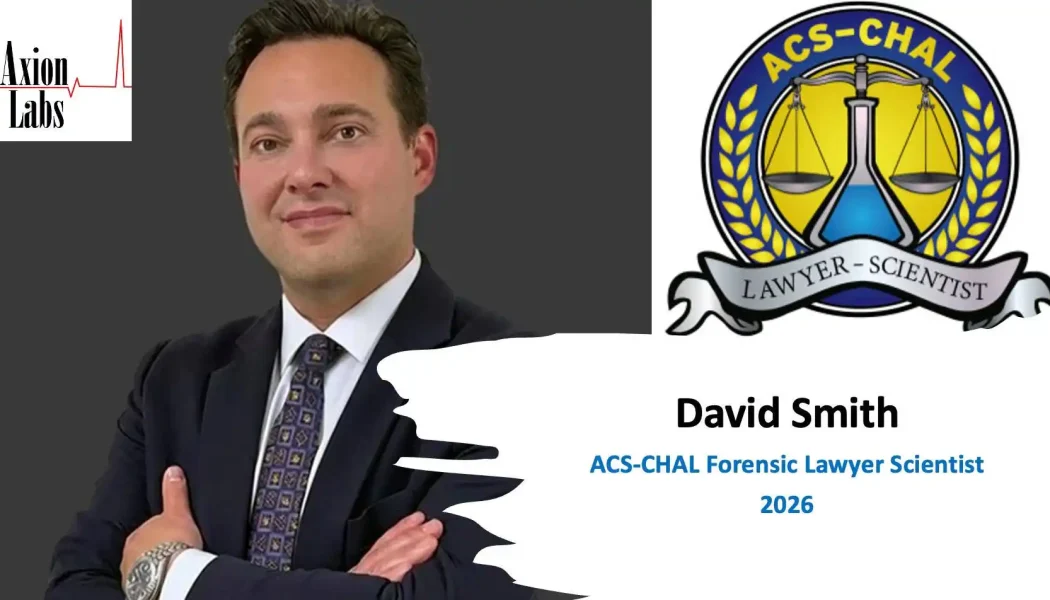
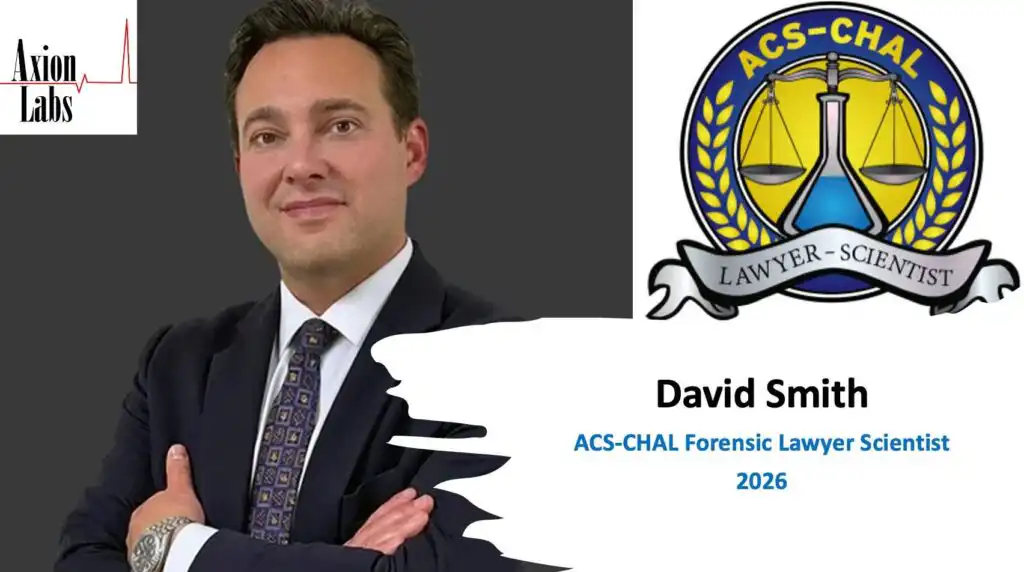
I’m proud to share that I passed the Forensic Lawyer-Scientist proficiency exam at Axion Labs & Training Institute. During the October 2026 class, Deandra Grant, who graded the exams and is an Axion faculty member, announced that I had earned the highest score in that exam administration.
Passing the exam completed my work toward the ACS-CHAL Forensic Lawyer-Scientist designation, recognized by the Chemistry and the Law Division of the American Chemical Society. I pursued this training because scientific evidence can carry enormous weight in a criminal case. I believe a defense attorney should be prepared to examine how a laboratory reached its conclusion, what the underlying data support, and what questions still need to be answered. “Good enough” for government is not good enough to saddle a person with a criminal conviction the rest of his or her life.
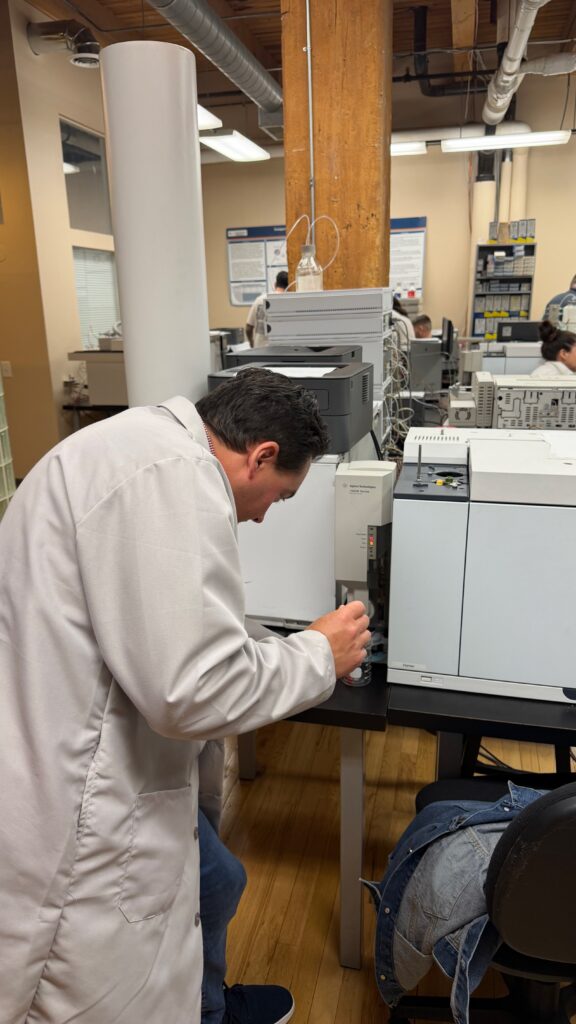
David Smith during hands-on training at Axion Laboratories in Chicago, October 2026.
What is a Forensic Lawyer-Scientist?
A Forensic Lawyer-Scientist is an attorney who has completed designated training and demonstrated knowledge in forensic chromatography, drug analysis, drug-impaired-driving evidence, and successfully passes the final examination. The designation is intended for lawyers who can use sound science in the courtroom and recognize when a scientific conclusion needs closer examination. Axion explains the designation and its requirements here.
Consider a blood-alcohol report. It may present a single number, but that number is the end of a long process and is simply an opinion. A sample must be collected, identified, stored, transported, prepared, tested, analyzed, and reported. The method must be appropriate and validated. The instrument must perform as expected. Quality-control results and the underlying data must support the conclusion.
During the training, I fully appreciated how many steps must be done correctly to produce a result that is both accurate and precise. It is not enough for a laboratory to say they are accredited or that it uses a validated method; the method must be followed correctly in the particular test. The people who handle the evidence at each stage must also do their jobs correctly so the result can be connected reliably to the right sample.
A laboratory report contains an analyst’s conclusion. It does not prove itself. The records behind it should show how that conclusion was reached and whether the result holds up to careful review and, when appropriate, independent testing. A lab which follows the scientific method should not shy from the data that is involved with the conclusion.
What does it take to earn the designation?
Under Axion’s published criteria, an attorney must successfully complete the hands-on Forensic Chromatography course twice, plus Forensic Drug Analysis and Forensic Principles of DUID, which involves the pharmacology and pharmacokinetics of drugs, driving issues in drugs, as well as instrumental analysis using gas chromatography, mass spectrometry, liquid chromatograhy, and infrared spectroscopy. The attorney must then pass a proficiency and knowledge examination based on that coursework. The criteria also require good standing with the attorney’s state bar and membership in good standing with the ACS Chemistry and the Law Division.
The training goes beyond lectures. At Axion, attorneys work with laboratory instruments and samples, observe how data is generated, and practice interpreting the results. The chromatography course focuses on methods relevant to alcohol testing. The drug-analysis course examines how suspected controlled substances are analyzed. Forensic Principles of DUID addresses scientific issues in cases involving drugs and driving.
Completing the classes alone does not earn the designation. The proficiency exam tests whether an attorney has retained and can apply the knowledge. That is why passing it—and learning that I was the high scorer in our October 2026 administration—means so much to me.
As of October 17, 2026, Axion’s published roster of Lawyer-Scientists listed 125 attorneys. That is the number of names on the roster when this article was drafted; the published list may change as newly qualified attorneys are added.
Why can this matter to a client?
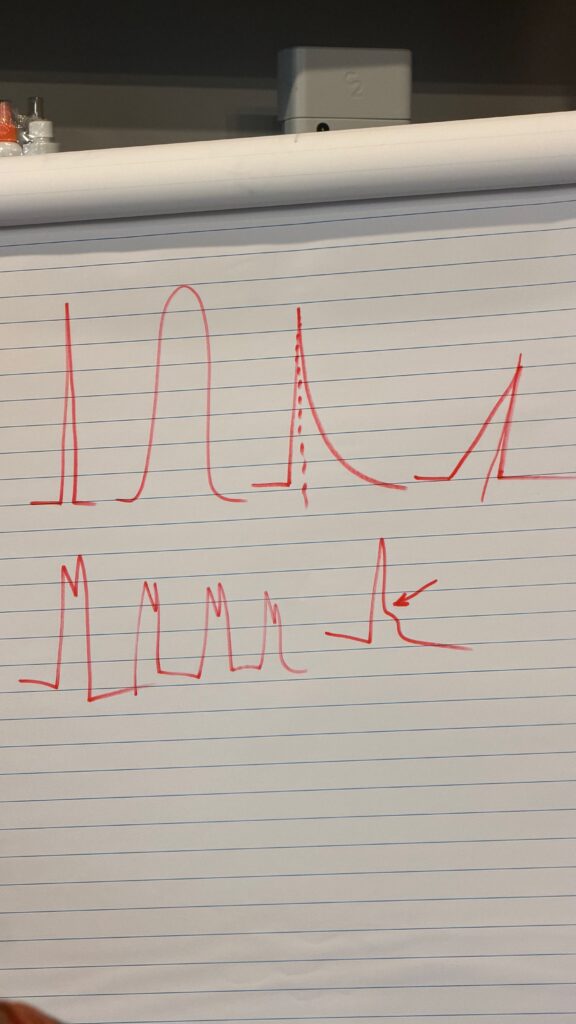
In a DWI case, the prosecution may rely heavily on a breath or blood result. Scientific training helps me identify the records needed to evaluate that result: collection and custody records, instrument and calibration records, quality-control results, the underlying testing data, and the analyst’s interpretation.
It also helps me separate different questions. Was the sample collected and handled properly? Does the testing support the reported result? What does a sample taken later tell us about a person’s condition while driving? Those questions cannot always be answered by reading the final report alone. Our article on blood-draw warrants and testing explains why obtaining a blood sample does not put the resulting evidence beyond scrutiny.
In a drug-possession case, the issues may be different. What substance did the laboratory identify? What testing method was used? Do the underlying data support the reported identification? The answers depend on the evidence in that case.
A careful review may confirm that the laboratory’s conclusion is sound. It may also reveal a question that calls for more records, independent expert review, or a challenge in court. The point is to give the client advice grounded in the evidence rather than an assumption that a report must be right—or wrong.
Legal experience and scientific training
I have been Board Certified in Criminal Law by the Texas Board of Legal Specialization since 2015. Board Certification and the Lawyer-Scientist designation are separate credentials. One reflects demonstrated experience and knowledge in criminal law; the other reflects focused training and examination in forensic science.
Both inform my work when a prosecution depends on technical, scientific evidence. The science helps me understand the testing and work effectively with qualified experts. My criminal-law experience helps me determine what evidence to seek, which issues matter legally, and how to present them clearly to a judge and advocate effectively to a jury.
At David Smith Law Firm, we prepare each case around its facts and the person whose future is at stake. I pursued this designation because careful preparation is one way I can better serve the people who trust us with their defense.
If you are facing a DWI or another criminal charge involving laboratory evidence, call 713-769-5000 to discuss your situation.
Discover more from David Smith Law Firm, PLLC
Subscribe to get the latest posts sent to your email.