
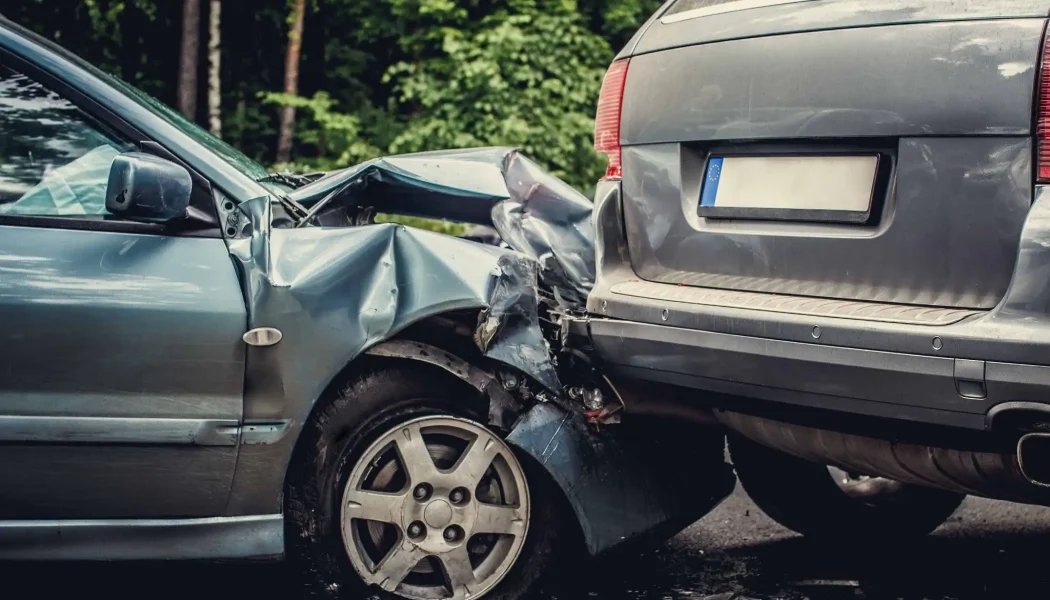
A collision does not automatically turn a Texas DWI into a felony. The seriousness of the case depends mainly on whether the accident caused property damage, serious bodily injury, or death.
A property damage accident may remain a misdemeanor DWI. If someone suffers serious bodily injury, the driver may face intoxication assault. If someone dies, the charge may become intoxication manslaughter. If the underlying DWI is a felony DWI, and a person is killed, the charge may be upgraded to Felony Murder. As a Board Certified criminal defense firm handling Houston DWI cases, we walk clients through exactly what an accident means for their specific charge before any decision gets made.
The accident can also make the investigation more complicated. Police may collect blood test results, video footage, witness statements, medical records, and information stored by the vehicles involved.
Key Takeaways
- An accident does not automatically make a Texas DWI a felony.
- Property damage alone generally does not elevate a first DWI to a felony.
- Serious bodily injury may lead to intoxication assault charges.
- A death may lead to intoxication manslaughter or Felony Murder charges.
- Prosecutors must connect the intoxication to the injury or death.
- Leaving the scene can result in a separate criminal charge.
- Crash injuries can affect balance, coordination, memory, and field sobriety test performance.
- Paying for the damage or settling an insurance claim does not resolve the criminal case.
- A Texas driver may have only 15 days to request a hearing to challenge an administrative license suspension.
Does an Accident Automatically Make a DWI More Serious in Texas?
An accident can make a DWI case more serious, but it does not automatically make the charge a felony. The result of the collision matters. Texas law treats a crash involving property damage differently from one that causes serious bodily injury or death.
Even when the DWI remains a misdemeanor, prosecutors may view the collision as an aggravating circumstance, and it could influence bond conditions, plea negotiations, probation terms, restitution, and sentencing. Other facts can also increase the charge or punishment, including a high blood alcohol concentration, prior DWI convictions, an open container, or a child passenger.
How the Result of the Accident Can Change the Charge
A DWI accident involving only vehicle or property damage generally remains a misdemeanor if no other felony level circumstance is present. The driver may still be responsible for repair costs and other losses, and the accident can make a favorable resolution harder to reach because prosecutors can argue the alleged intoxication created an actual danger rather than only a potential one. The insurance claim and the criminal case remain separate, and paying for the damage does not make the DWI charge disappear. Statements made to insurance can be used against a person in the criminal case.
A minor injury does not automatically support an intoxication assault charge. Texas law distinguishes ordinary bodily injury from serious bodily injury, and pain, bruising, or a temporary minor injury may not meet the standard intoxication assault requires. The driver could still face a misdemeanor DWI and potentially other charges depending on how the crash occurred, and the medical records and long term effects of the injury will often determine how prosecutors classify the case.
A driver may be charged with intoxication assault when intoxication causes serious bodily injury to another person. Serious bodily injury generally means an injury that creates a substantial risk of death, causes serious permanent disfigurement, or causes a prolonged loss or impairment of a body part or organ. Intoxication assault is generally a third degree felony carrying a possible prison sentence of 2 to 10 years and a fine of up to $10,000. The prosecution must prove more than the existence of an injury. It must also prove the injury occurred because of the driver’s intoxication.
A fatal DWI collision may lead to an intoxication manslaughter charge or even a Felony Murder charge. Intoxication manslaughter is generally a second degree felony carrying a possible prison sentence of 2 to 20 years and a fine of up to $10,000. The state does not have to prove the driver intended to kill anyone, but it must prove the driver was intoxicated and that the intoxication caused the death. Additional consequences may apply when the person who died was the parent or legal guardian of a minor child. If a person alleged to have committed intoxication manslaughter was already in the DWI 3rd or more range, the government can elect to prosecute the case as Felony Murder with a punishment range of 5-99 years or life in prison and up to a $10,000 fine.
Prosecutors Must Prove Intoxication Caused the Injury or Death
Being intoxicated and being involved in an accident are not enough by themselves to prove intoxication assault or intoxication manslaughter. The prosecution must establish a connection between the alleged intoxication and the serious injury or death, which makes the cause of the accident one of the most important issues in the case.
Relevant questions may include whether another driver ran a red light or failed to yield, whether either vehicle was speeding, whether a tire, brake, or other mechanical component failed, and whether poor lighting, standing water, construction, or a road defect contributed to the crash. We also look at whether the accident could have happened even if the accused driver had been sober, and whether a third vehicle or another outside factor caused the collision. Evidence that another cause was responsible for the accident can matter even when a breath or blood test shows alcohol in the driver’s system.
What Evidence Is Used in an Accident Related DWI Case?
A DWI accident investigation usually involves more evidence than a standard traffic stop. Police and prosecutors may review body camera and dash camera footage, traffic camera and nearby surveillance video, photographs and measurements from the scene, statements from drivers, passengers, and witnesses, breath or blood test results, drone videos/pictures of the accident scene, hospital records, vehicle data showing speed and braking, damage to the vehicles, road and weather conditions, phone records when distracted driving is suspected, and medical records describing the severity of an injury.
This evidence can help determine who caused the accident, whether the accused driver was intoxicated, and whether intoxication contributed to the injuries. Physical injuries from the crash also matter. A concussion, airbag impact, leg injury, or inner ear problem can affect balance and coordination, and uneven pavement, debris, flashing emergency lights, and shock can make field sobriety tests less reliable. Signs that appear to show intoxication may sometimes be connected to the collision itself rather than to alcohol or drugs.
Can Police Require a Blood Test After a DWI Accident?
A serious accident does not automatically allow police to take blood without legal authority. Police generally need the driver’s voluntary consent, a search warrant, or a qualifying emergency exigent circumstance that makes obtaining a warrant impractical.
In Houston and Harris County, officers can often request electronic blood draw warrants quickly, and a judge reviews the officer’s sworn information and decides whether there is probable cause to authorize the draw. If the driver receives treatment at a hospital, medical alcohol test results may also become part of the investigation, and hospital testing is performed primarily for treatment, so the methods and results may need careful review before they are used in a criminal case.
What Happens If the Driver Leaves the Scene?
Leaving an accident involving injury or death can create a separate and serious criminal charge. Texas law generally requires a driver involved in an accident to stop at or near the scene, determine whether anyone needs assistance, provide identifying and insurance information, provide reasonable assistance to an injured person, and remain at the scene long enough to complete these duties. These responsibilities apply even when the driver believes someone else caused the accident.
Failure to stop and render aid may be charged separately from DWI, and the severity of that charge depends largely on whether the accident caused injury, serious bodily injury, or death. Leaving may also allow prosecutors to argue the driver was attempting to avoid police or allow time for the alcohol concentration to decrease. A person who has already left should get legal advice before returning to the scene, contacting another driver, or giving a statement.
Other Factors That Can Increase the Consequences
The accident is not the only fact that may affect the charge. A first DWI is ordinarily a Class B misdemeanor, and if testing shows a BAC of 0.15 or higher, the charge may be elevated to a Class A misdemeanor, carrying up to one year in county jail and a fine of up to $4,000. A second DWI is generally a Class A misdemeanor, and a third or subsequent DWI may be charged as a felony. Prior convictions can also lead to stricter bond conditions and longer driver’s license consequences.
Having an open alcohol container in the passenger area can result in an increased minimum jail requirement for a first DWI. Driving while intoxicated with a passenger younger than 15 is a state jail felony, even if no accident occurs. Refusing a requested breath or blood test can lead to an administrative driver’s license suspension, and police may also seek a warrant for a blood sample after a refusal.
Does Insurance or Paying for the Damage Resolve the DWI?
No. An insurance claim and a DWI prosecution are separate matters. The other driver may settle a property damage or personal injury claim, but that agreement does not require the state to dismiss the criminal case, since the prosecutor represents the State of Texas rather than the insurance company or the person involved in the collision.
Statements made to an insurance adjuster could also affect the criminal case. A driver should be careful about discussing alcohol or drug use, where they were before the crash, who caused the collision, speed or traffic violations, injuries or medical treatment, and whether the driver left the scene. We help coordinate necessary insurance communications without creating avoidable problems in the criminal case.
What Should You Do After a DWI Accident in Houston?
The first steps after the accident can affect the evidence, driving privileges, and criminal case. Get necessary medical care and do not ignore injuries, since concussion symptoms, internal injuries, and pain may not be immediately obvious, and medical records can also document whether an injury affected field sobriety testing or communication with officers.
Avoid discussing the case in detail. Do not give detailed explanations about drinking, driving, or fault without legal advice, and this includes conversations with police, insurance adjusters, injured parties, and witnesses. Provide necessary identifying and insurance information, but avoid guessing about how the accident happened. Consult with an attorney before talking to your insurance company or even the injured party’s insurance.
Do not contact an injured person directly, since direct contact could violate a bond condition or be misunderstood as pressure, intimidation, or an attempt to influence a witness. Handle communication through an attorney or insurance representative instead.
Preserve evidence by saving photographs, videos, medical paperwork, towing records, receipts, messages, and insurance documents, and write down what happened while the details are still fresh. Nearby surveillance footage and vehicle data may be lost or overwritten quickly, so early preservation can be critical.
Protect your driver’s license, since a DWI arrest can trigger a separate Administrative License Revocation proceeding, and in many cases the driver has 15 days after receiving notice to request a hearing. Missing that deadline can result in the suspension taking effect without a hearing.
Frequently Asked Questions
Is a DWI With an Accident Always a Felony in Texas?
No. A collision involving only property damage generally does not turn a DWI into a felony. A felony charge becomes more likely when the accident causes serious bodily injury or death, or when another felony level enhancement applies.
Can I Face Intoxication Assault if the Other Person’s Injuries Were Minor?
Intoxication assault requires serious bodily injury. Minor pain or a temporary injury may not meet that standard, and medical records along with the long term effect of the injury will be important.
What if the Other Driver Caused the Accident?
The other driver’s actions may be central to the defense. For intoxication assault or manslaughter, prosecutors must prove that intoxication caused the serious injury or death, and evidence that another driver caused the collision may challenge that requirement as a concurrent causation.
Can I Be Charged if My BAC Was Below 0.08?
Yes. Texas law allows prosecutors to allege intoxication based on the loss of normal mental or physical faculties, even when the BAC is below 0.08. A BAC result below 0.08 can still be important evidence when disputing the allegation.
Can Police Take My Blood Without Consent After an Accident?
Police may seek a search warrant if the driver does not consent. A warrantless blood draw generally requires a legally recognized exception based on the specific circumstances, and the existence of an accident alone does not automatically remove the warrant requirement.
Will Paying for the Other Vehicle’s Damage Help My Criminal Case?
It may help address restitution or civil liability, but it does not dismiss the DWI charge. Payment should be handled carefully, since related statements or agreements could affect the criminal case.
What Happens if I Leave the Accident Scene?
Leaving can result in a separate failure to stop and render aid charge, and the potential punishment depends on whether the accident caused property damage, injury, serious bodily injury, or death.
How Long Do I Have to Challenge My Driver’s License Suspension?
A Texas driver generally has 15 days after receiving the suspension notice to request an Administrative License Revocation hearing. Because the deadline is short, it is important to act promptly.
What Our Firm Does for Accident Related DWI Cases in Houston
A collision can turn a DWI investigation into a much more serious case, particularly when someone suffers a major injury or dies. The outcome may depend on who caused the accident, whether intoxication contributed to it, how the blood evidence was collected, and what video or vehicle data is available.
Important evidence can disappear quickly after a crash. Our Houston DWI lawyers can help preserve that evidence, protect your driving privileges, and address the criminal allegations before critical deadlines pass.
Discover more from David Smith Law Firm, PLLC
Subscribe to get the latest posts sent to your email.